- Food stalls near Delhi’s Kashmiri Gate bus station face closure due to LPG shortages
- LPG scarcity caused by Gulf war has raised cooking fuel prices and hit daily sales
- Many urban laborers struggle to afford cooking gas, forcing some to return home
Outside New Delhi's main bus terminus, a cluster of food stalls set up under makeshift canopies has been selling pan-fried flatbreads, comforting stews and hot tea to weary travelers for decades.
Now - just one month into a war in the Persian Gulf that has upended global energy supply - at least one stretch outside the Kashmiri Gate station is almost empty. The carts have been taken away. The owners, according to sellers that remain, have been forced home - joining a steady stream of workers pushed away from cities as a spike in the price of cooking fuel makes their lives unaffordable.
The conflict in the Middle East - and the subsequent closure of the Strait of Hormuz, which connects some of the largest oil and gas producers to the world - has had an almost immediate impact on Asia's economies. Most saw petrol station queues, price hikes and hoarding within days. Some have since imposed four-day weeks and other efforts to cut back fuel consumption.
India is seeing an impact on manufacturing and other activity, as key industries struggle with shortages and higher prices, raising the risk of a prolonged drag on growth. But the most acute pain has been felt in liquefied petroleum gas, used for cooking, where a shortfall in Middle East supply has rippled through the economy. Only a handful of LPG vessels have made it to India this month - enough to cover just a few days of demand.
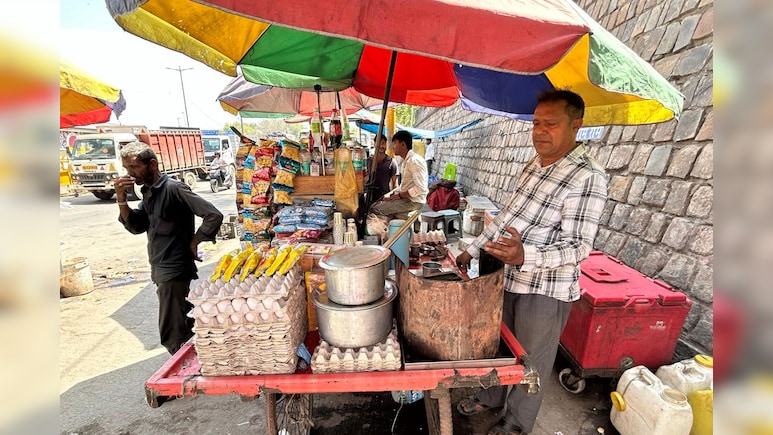
Satyapal, a 52-year-old stall holder who uses only one name, has worked on this spot for more than two decades. For him, the crisis thousands of kilometers away feels all too close to home. Flipping a flatbread on his stove top, he says the LPG shortages have forced him to switch to a kerosene alternative - an expensive option he had abandoned when Delhi became kerosene-free in 2013.
For the privilege, he paid 3,000 rupees (just under $32) - roughly 10 times the usual cost of a basic kerosene stove.
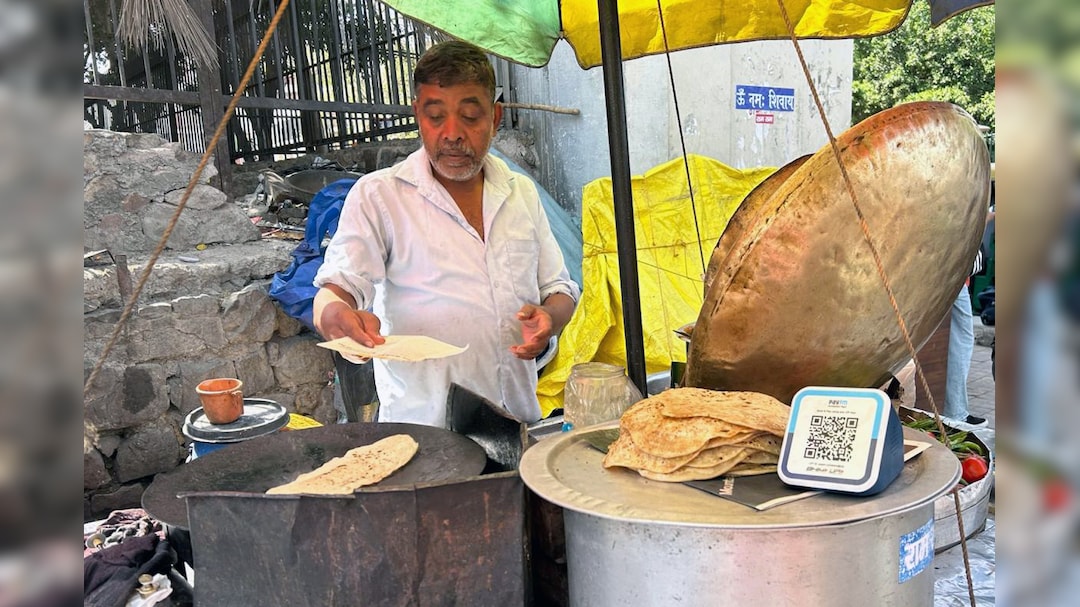
Satyapal cooks flatbreads at his roadside stall.
Photo Credit: Bloomberg
At home, his eight-member household has tracked down an LPG cylinder, but at four times the government price of 613 rupees for low-income families. His wife has set up a makeshift firewood oven to get by.
"It feels like the crisis is escalating," he said, loading a plate for a customer. Daily sales have halved, as foot traffic slumps. A single serving of paratha and chole, a north Indian chickpea stew, is now 50 rupees - from just 40 a month ago.
The knock-on effects of the war have been extraordinarily swift in India. Four weeks in, many urban laborers - who live in tenements and are forced to buy cooking-gas cylinders on the black market - are finding it impossible to afford food preparation at home. With prices rising even at roadside shacks, they are rapidly running out of alternatives. While there are no official figures, anecdotal evidence suggests some are even pushed to return home while the crunch lasts, as millions did during the Covid pandemic.
The government, well aware of the impact of a fuel- and food-price crisis on the voting population, has taken a string of measures, including invoking emergency powers to push refineries to boost local LPG production, while pressing consumers to switch to piped natural gas. India is adding 10,000 new consumers a day for piped supply, easing some pressure on LPG.
All told, the country can now cover about 60% of demand, and officials are also cracking down on LPG hoarding and black market activities. Officials have reported over 3,000 raids so far this month.
But even at the upper end of the price spectrum, meals have become pricier and more restricted, as hotels, restaurants and caterers cut back their offerings and scrap much-loved fried snacks. The vegetable oil it is all cooked in serves as a barometer - with samosas, kachori and other delights off the menu in many areas, demand in the world's top importer has plummeted.
"Indians, who are known for inviting the entire town to weddings, are now curtailing the guest list and reducing the size of functions because they can't serve the food," said Aashish Acharya, vice president at Patanjali Foods Ltd., one of the country's top buyers.
Raju Bhandari has been working at an informal restaurant at Kashmiri Gate bus station since 1984, and today he watches over a scattering of plastic tables and chairs down the road from Satyapal, with a dozen employees working under a green plastic roof. Here, sales have halved along with vegetable oil consumption, down to under 15 liters a day.
His kitchens previously ran on four 19-kilogram (nearly 42-pound) LPG cylinders a day, a luxury he can no longer access as the government re-routes limited supplies to households.
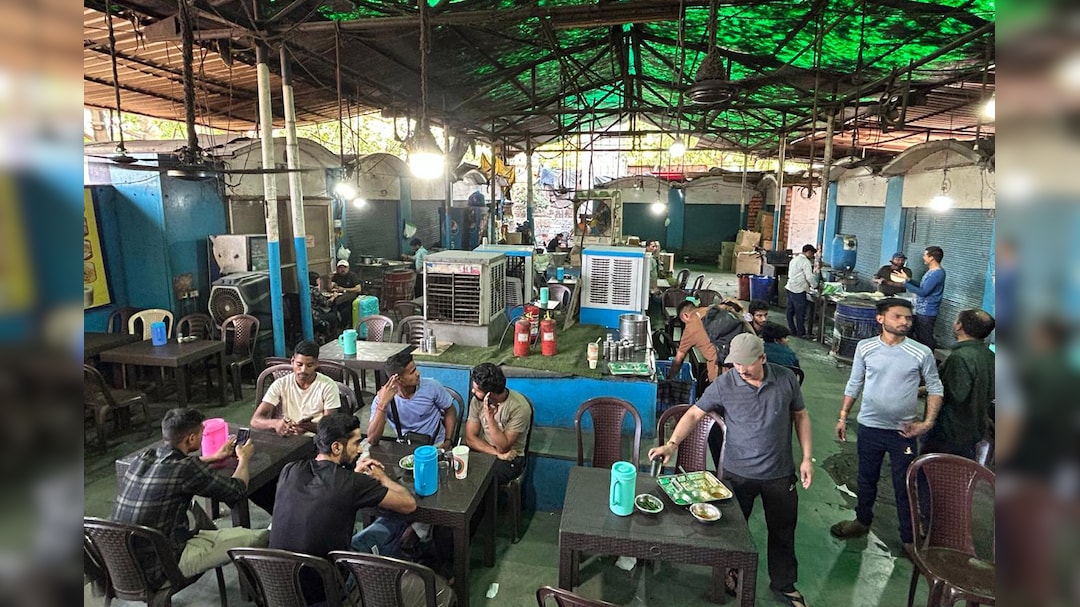
An eatery at the Kashmiri Gate bus terminus in New Delhi.
Photo Credit: Bloomberg
"I've never seen a situation like this," said Bhandari. "Since early March, we've been running our ovens on coal and wood. Even cleaning the utensils has become a challenge."
He has also put up prices, and it is his least-affluent customers who feel it the most - like Dharam Pal, who jostles with customers and rivals inside the bustling station to carry luggage on his shoulders.
His meals now cost 20 rupees more. Unable to raise his own charges, given the brutal competition, he has been watching his savings shrink, along with the sums sent home to support his family in Muzaffarnagar, in the northern state of Uttar Pradesh.
"What choice do we have?" said Pal, sitting with a group of other porters, waiting for customers to arrive. "We carry on and pay a higher price for food. Just to survive."
The government has said that the LPG situation is now comfortable. Commercial supplies would return as domestic production increases, Sujata Sharma, a joint secretary at India's oil ministry, told a briefing on Friday. "We are still in the war situation," she added.
(This story has not been edited by NDTV staff and is auto-generated from a syndicated feed.)
Essential Business Intelligence, Sharp Market Insights, Practical Personal Finance Advice, Daily Fuel, Gold and Silver Prices and Latest Stories — On NDTV Profit.