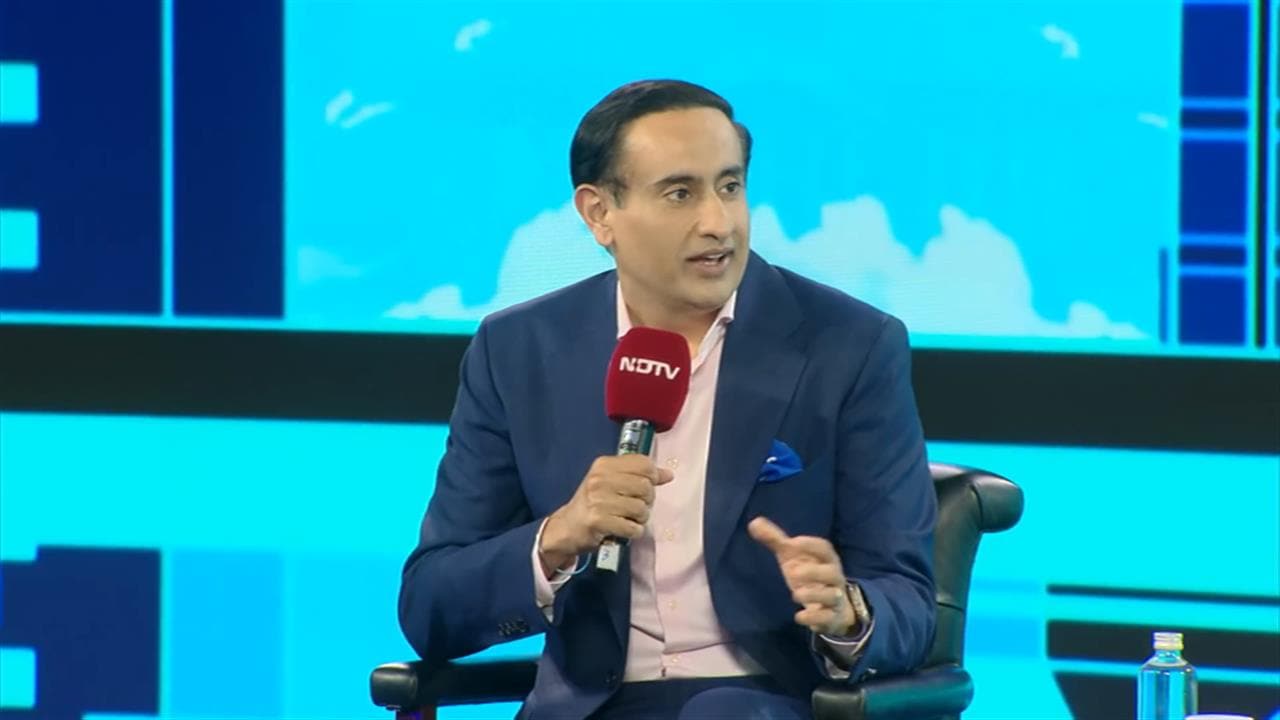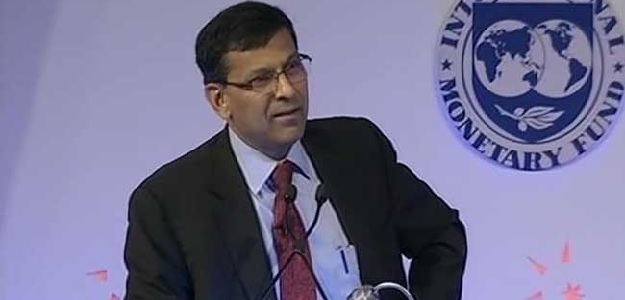
Reserve Bank of India Governor Raghuram Rajan on Saturday addressed the India-IMF Conference in Delhi.
Here are the highlights:
Here are the highlights:
- Back to my old complaints about uncertain effects of unconventional monetary policy
- Problem is given industrial countries' domestic inflation mandate, central bankers have no option
- Monetary policies have spillover effects
- Demand-creating effects of lower interest rates in domestic consumption and investment typically in ordinary times tends to be substantial while demand-switching effects of the lower exchange rate in enhancing external demand for your goods is smaller than the demand creating effects; on net, spillover effect for rest of the world is generally positive
- Central bank's domestic responsibility is clear
- Aggressive policies do two things: One it may keep interest rates so slow that financial instability will build up
- Second, the first mover out of the situation gets the brunt of the hit in terms of exchange rate appreciate and it keeps policymakers trapped in this low interest rate-aggressive monetary policy equilibrium
- Just calling a policy monetary does not mean it is beneficial to the world
- What matters is how a monetary policy is undertaken, what period it is undertaken
- Even ordinary monetary policy carried on for long time can move into red region
- If a country reduces its interest rate domestically its exchange rate also typically depreciates which helps exports
- No monetary policy that affects international monetary system should be off the table
Essential Business Intelligence, Sharp Market Insights, Practical Personal Finance Advice, Daily Fuel, Gold and Silver Prices and Latest Stories — On NDTV Profit.