In a setback for the economy, industrial output contracted by 3.2 per cent in November - its worst performance in more than four years - against a 9.8 per cent expansion in October. Separately, consumer inflation edged up for the fifth straight month in December on rising food prices, posing risks to the Reserve Bank of India's efforts to lower interest rates.
"Nobody was expecting a negative number," said Indranil Pan, chief economist at IDFC Bank, referring to the factory output numbers. "I think the erosion has been more on the manufacturing side, maybe due to the production loss that happened on account of rains in Chennai," he said. (Read what other experts say)
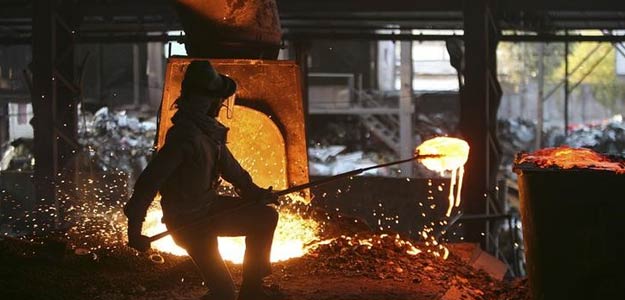
Poor performance by manufacturing led to the fall in factory output. Manufacturing output shrank 4.4 per cent in November as compared to the same month of the previous year while capital goods output contracted a whopping 24.4 per cent. Electricity generation rose just 0.7 per cent while mining output growth slowed to 2.3 per cent during the month. (Also read: Industrial output suffers sharpest fall in over 4 years)
The government had earlier revised its economic growth target to 7 to 7.5 per cent for the fiscal year that ends on March 31 from an earlier estimate of 8.1 to 8.5 per cent, due to weak farm output and declining exports.
For the month of December, consumer prices rose 5.61 per cent from a year earlier, compared with November's 5.41 per cent. Retail food inflation in December came in at 6.40 per cent, higher than 6.07 per cent recorded in the previous month. Retail inflation has been picking up since August, mainly due to a surge in food prices.
The RBI is due to meet on February 2 for its next monetary policy review. After easing interest rates aggressively last year, analysts say, the RBI is likely to wait for cues from the Budget. "RBI rate cuts will be subject to the fiscal consolidation path the government announces in the Budget," said Madhavi Arora, economist at Kotak Mahindra Bank.
"Nobody was expecting a negative number," said Indranil Pan, chief economist at IDFC Bank, referring to the factory output numbers. "I think the erosion has been more on the manufacturing side, maybe due to the production loss that happened on account of rains in Chennai," he said. (Read what other experts say)
Poor performance by manufacturing led to the fall in factory output. Manufacturing output shrank 4.4 per cent in November as compared to the same month of the previous year while capital goods output contracted a whopping 24.4 per cent. Electricity generation rose just 0.7 per cent while mining output growth slowed to 2.3 per cent during the month. (Also read: Industrial output suffers sharpest fall in over 4 years)
The government had earlier revised its economic growth target to 7 to 7.5 per cent for the fiscal year that ends on March 31 from an earlier estimate of 8.1 to 8.5 per cent, due to weak farm output and declining exports.
For the month of December, consumer prices rose 5.61 per cent from a year earlier, compared with November's 5.41 per cent. Retail food inflation in December came in at 6.40 per cent, higher than 6.07 per cent recorded in the previous month. Retail inflation has been picking up since August, mainly due to a surge in food prices.
The RBI is due to meet on February 2 for its next monetary policy review. After easing interest rates aggressively last year, analysts say, the RBI is likely to wait for cues from the Budget. "RBI rate cuts will be subject to the fiscal consolidation path the government announces in the Budget," said Madhavi Arora, economist at Kotak Mahindra Bank.
Essential Business Intelligence, Sharp Market Insights, Practical Personal Finance Advice, Daily Fuel, Gold and Silver Prices and Latest Stories — On NDTV Profit.