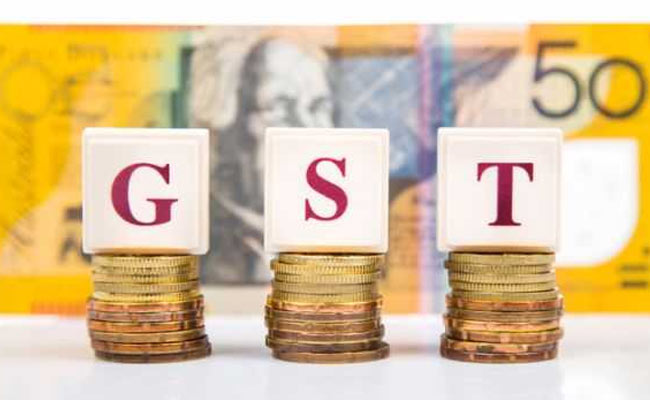
Washington: India's growth has been "very solid" over the past four years, IMF's Chief Economist Maurice Obstfeld said, praising the fundamental economic reforms like GST and the Insolvency and Bankruptcy Code carried out by the government. Obstfeld, 66, -- who is set to retire this month-end -- will be succeeded by Gita Gopinath, the second Indian to be appointed to the position. Former RBI Governor Raghuram Rajan had served as Chief Economist of the International Monetary Fund. "India under the government of Prime Minister Narendra Modi has carried out some really fundamental reforms. These include the Goods and Services Tax (GST), the Insolvency and Bankruptcy Code...A lot of what they have done on financial inclusion has been really important," Obstfeld told a group of journalists here.
Summing up his impression of India's economy in the last four-and-a-half years of PM Modi's government, the top IMF economist said the country's "growth performance has been very solid".

-
 Indian Markets Turning Corner After Two Tough Years, Says Sandeep Tandon
-
 NDTV Profit Ignite 2026: Experts See Opportunity In Equities, Stay Bullish For Long-Term
-
 Buy Right, Sit Tight Does Not Work for Individual Stocks, Says Dinshaw Irani
-
 'Worst Is Behind': Quant MF Sees Market Bottom, Flags 'Extreme Euphoria' In Midcaps
-
 India's Mutual Fund Industry Could Become A $1 Trillion Opportunity, Say Fund Managers
-
 'Foreign Investors Are Baraatis': Raamdeo Agrawal's Take On LTCG Tax
-
 Stay Invested Through Market Cycles: Raamdeo Agrawal at NDTV Profit Ignite
-
 Ramesh Damani Remains Bullish On India For Next 20-30 Years, Sees Bargains Amid Market Weakness
-
 CAS Came After A Long Consultation Process: SEBI Chairman Tuhin Kanta Pandey AT NDTV PROFIT IGNITE
-
 Aim To Cut FPI Onboarding Time From Mth To Five Days: SEBI Chairman Tuhin Kanta Pandey AT NDTV PROFI
"I mean, not so much in the third quarter of this year, but generally it has been quite solid," he said on Sunday.
Also Read | Layoffs Are Rising In Tech, But These Skills Are Helping People Unlock Better Pay
"There are important vulnerabilities, so it is important for the reform momentum to be maintained even as an election comes up and for the path of fiscal adjustment to be maintained," Obstfeld added.
He said one risk that has become much more evident in the last few years has been non-bank finance, usually called shadow banking. "There is a big challenge of stricter oversight," the economist said.
Noting that there has long been a legacy of corporate debt associated with bad infrastructure projects in India, Obstfeld said it has been very concentrated in banking system. "But as the government is trying to better oversee the banking system, these loans have migrated to shadow banking and that is an area where more needs to be done to contain financial pressures, which we are beginning to see in India," he said.
However, with an upcoming election in the country, there is a reluctance to do anything that would slow the economy, Obstfeld said, observing, "But the lesson of experiences is that financial vulnerabilities can go south very quickly".
Obstfeld, who has served in the post of Chief Economist for more than three years, will return to the Department of Economics at the University of California, Berkeley.
(Except for the headline, this story has not been edited by NDTV staff and is published from a syndicated feed.)Essential Business Intelligence, Sharp Market Insights, Practical Personal Finance Advice, Daily Fuel, Gold and Silver Prices and Latest Stories — On NDTV Profit.