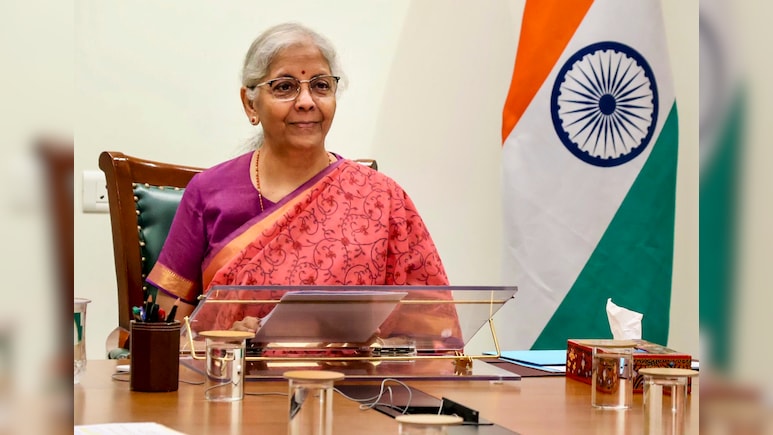
- The Union government introduced the Taxation and Other Laws (Amendment) Bill, 2026 in Parliament
- The Bill removes the blanket zero-MDR ban on UPI and RuPay debit card transactions
- Tax holidays for electronics manufacturers extended until financial year 2040-41
The Union government has tabled the Taxation and Other Laws (Amendment) Bill, 2026, in the Parliament, initiating a major policy reset for India's digital payments and corporate tax frameworks. The Bill replaces the Income-tax (Amendment) Ordinance promulgated earlier in June 2026, bringing significant changes that range from removing the blanket ban on UPI merchant charges to offering aggressive, long-term tax incentives for the electronics manufacturing sector.
The Return of MDR on Digital Payments
The most immediate consumer and merchant-facing reform comes via proposed amendments to the Payment and Settlement Systems Act, 2007. Under current laws, banks and payment system providers are strictly barred from levying a Merchant Discount Rate (MDR) on transactions routed through UPI and RuPay debit cards. The new Bill, however, scraps this statutory "zero-MDR" provision.
Instead of a universal ban on fees, the Centre will now hold the power to notify specific electronic payment modes that remain eligible for zero-MDR. This amendment grants the government the flexibility to selectively reintroduce MDR on certain digital transactions, aiming to create a sustainable funding and revenue model for the payment infrastructure ecosystem.
Extending Tax Holidays for Electronics Manufacturing
To cement India's position as a global manufacturing hub, the Bill introduces deep, long-term tax relief for the electronics supply chain.Foreign suppliers providing capital goods to domestic electronics contract manufacturers will see their tax holiday extended all the way to financial year 2040-41 (FY'41).
The legislation clearly outlines that "specified electronic goods" eligible under this framework will include mobile phones, laptops, tablets, servers, wearables, and related components. Additionally, foreign electronics companies utilizing customs-bonded warehouses to store components will also benefit from extended tax relief until FY'41. This move is strategically designed to strengthen local supply chains and provide long-term policy certainty for global tech firms operating in India.
Relief for Data Centres, REITs, and SPVs
The Bill also reconfigures the broader corporate tax landscape to support domestic digital infrastructure and real estate investment structures:
- Leased Data Centres: Recognizing the growing digital infrastructure sector, the tax benefit framework has been expanded to include leased data centres operated by Indian companies, simplifying the tax rules for foreign entities procuring their services.
- Business Trusts: The government has retained the crucial dividend tax exemption for unit holders of business trusts-such as Real Estate Investment Trusts (REITs) and Infrastructure Investment Trusts (InvITs)-under specified conditions.
- Corporate Surcharges: Under the new corporate tax regime, the surcharge for Special Purpose Vehicles (SPVs) has been fixed at a higher rate of 25%. Meanwhile, other standard domestic companies will continue to operate at the standard 10% surcharge.
Essential Business Intelligence, Sharp Market Insights, Practical Personal Finance Advice, Daily Fuel, Gold and Silver Prices and Latest Stories — On NDTV Profit.