- Brokerages warn India's excise cuts on petrol and diesel risk fiscal pressures in FY27
- Revenue loss from excise cuts estimated between Rs 1.6 and 1.8 lakh crore, about 0.4-0.5% GDP
- HSBC flags slower growth and higher inflation if crude averages $80 per barrel in FY27
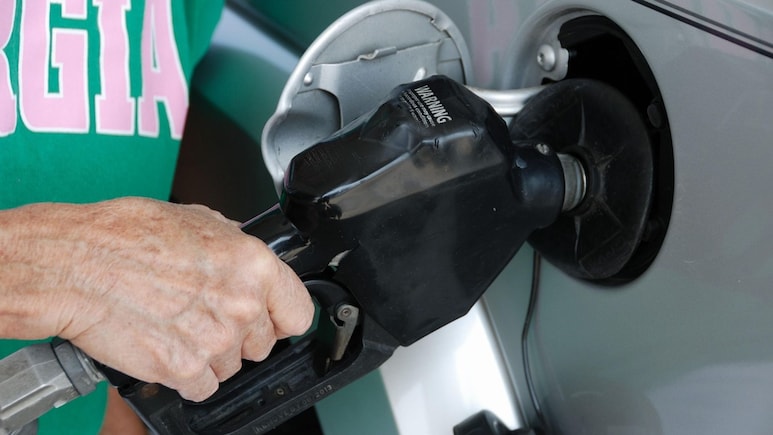
Brokerages are sounding the alarm on India's fiscal math after the Centre's March 26 decision to sharply cut excise duties on petrol and diesel. The move — aimed at absorbing the impact of surging global crude prices, now hovering above $116 per barrel — may ease near-term pressure on consumers and oil marketing companies (OMCs), but comes with a sizeable hit to government revenues.
Across the board, analysts estimate the revenue foregone could range between Rs 1.6 lakh crore and Rs 1.8 lakh crore, or roughly 0.4–0.5% of GDP for FY27.
ALSO READ: Excise Relief On Petrol, Diesel: Govt Sees Rs 7,000-Crore Revenue Hit In A Fortnight
Also Read | Layoffs Are Rising In Tech, But These Skills Are Helping People Unlock Better Pay
HSBC: Growth Risks, Inflation Pressures
HSBC estimates that the ₹10 per litre excise duty cut could lead to a revenue shortfall of about ₹1.6 lakh crore (0.4% of GDP). Beyond fiscal pressures, the brokerage flags macro risks if elevated oil prices persist.
In a scenario where crude averages $80 per barrel, HSBC expects India's growth to slow to 6.3% in FY27, while inflation could rise to 4.5%. The note suggests that while the government has absorbed a large share of the oil shock so far, this may not be sustainable without broader economic consequences.
ALSO READ: Excise Duty Cut On Petrol, Diesel By Rs 10 — Will Fuel Prices Fall For Customers Now?
Nomura: ‘Fiscal Defence' Comes at a Price
Nomura characterises the excise cut as a “fiscal defence” — a deliberate attempt by the government to shield the economy from a direct inflationary pass-through.
However, this protection comes at a cost. The brokerage estimates a fiscal impact of ₹1.6–1.8 lakh crore, or close to 0.5% of GDP. It adds that the burden of adjustment may eventually need to be shared more evenly, especially if crude prices remain elevated for longer.
ALSO READ: Government Imposes Levies On ATF Amid Excise Changes; Cuts Fuel Duties — Check Exemptions
JPMorgan: Limited Room for Further Cuts
JPMorgan pegs the revenue loss at around Rs 1.75 lakh crore (approximately 0.5% of GDP), echoing concerns over the sustainability of such measures.
The brokerage highlights that if crude prices stay high, the government may be forced to either cut excise duties further — deepening the fiscal strain — or allow retail fuel prices to rise. With excise rates already at multi-year lows, the room for additional cuts appears limited.
ALSO READ: Brent Crude Surges To $116 As Middle East Conflict Worsens With Houthi Attacks On Israel
Essential Business Intelligence, Sharp Market Insights, Practical Personal Finance Advice, Daily Fuel, Gold and Silver Prices and Latest Stories — On NDTV Profit.