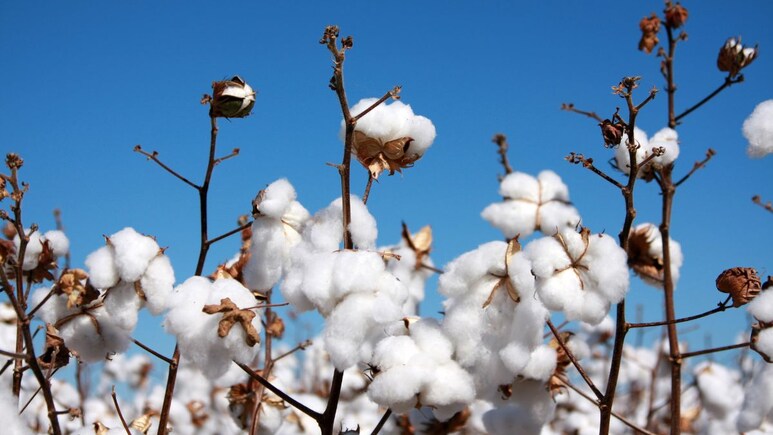
In a major relief to the domestic textile and apparel industry, the Central Government has extended the customs duty exemption on cotton imports by two months, making it valid until December 31, 2026.
The extension, aimed at boosting the domestic availability of raw materials and softening input costs, was earlier slated to expire on October 31, 2026.

-
 Indian Markets Turning Corner After Two Tough Years, Says Sandeep Tandon
-
 NDTV Profit Ignite 2026: Experts See Opportunity In Equities, Stay Bullish For Long-Term
-
 Buy Right, Sit Tight Does Not Work for Individual Stocks, Says Dinshaw Irani
-
 'Worst Is Behind': Quant MF Sees Market Bottom, Flags 'Extreme Euphoria' In Midcaps
-
 India's Mutual Fund Industry Could Become A $1 Trillion Opportunity, Say Fund Managers
-
 'Foreign Investors Are Baraatis': Raamdeo Agrawal's Take On LTCG Tax
-
 Stay Invested Through Market Cycles: Raamdeo Agrawal at NDTV Profit Ignite
-
 Ramesh Damani Remains Bullish On India For Next 20-30 Years, Sees Bargains Amid Market Weakness
-
 CAS Came After A Long Consultation Process: SEBI Chairman Tuhin Kanta Pandey AT NDTV PROFIT IGNITE
-
 Aim To Cut FPI Onboarding Time From Mth To Five Days: SEBI Chairman Tuhin Kanta Pandey AT NDTV PROFI
The Ministry of Finance notified the decision via an extraordinary Gazette notification (No. 35/2026 - Customs) issued on Friday, October 30. Exercising powers under Section 25(1) of the Customs Act, 1962, read with Section 124 of the Finance Act, 2021, the Department of Revenue amended its earlier May 30 notification (No. 19/2026-Customs) to substitute the October deadline with December 31, 2026.
Also Read | Layoffs Are Rising In Tech, But These Skills Are Helping People Unlock Better Pay
The move is designed to ensure an uninterrupted supply of cotton for textile mills and garment manufacturers, insulating them from volatile price spikes. Industry participants-particularly Micro, Small, and Medium Enterprises (MSMEs) that have faced cost pressures across value chains-are expected to benefit directly from lower raw material expenses.
According to officials, the duty-free import window will provide targeted cost relief to manufacturers and end-consumers while maintaining a balance with the economic interests of domestic cotton farmers. The increased availability of raw fibre in the open market is anticipated to improve operational capacity, output performance, and price competitiveness across the entire textile and garment ecosystem through the year-end.
Essential Business Intelligence, Sharp Market Insights, Practical Personal Finance Advice, Daily Fuel, Gold and Silver Prices and Latest Stories — On NDTV Profit.