India is set to become a $3 trillion economy in the current fiscal, and structural reforms are needed to reach $5 trillion in the next few years, Finance Minister Nirmala Sitharaman said while presenting the Union Budget 2019-20 on Friday.
Presenting the first Budget of the Modi government's second term, she said the Indian economy, which stood at $1.85 trillion five years back, has reached $2.7 trillion now, and is within its capacity to reach $5 trillion in the next few years.

-
 NDTV Profit Ignite 2026: Experts See Opportunity In Equities, Stay Bullish For Long-Term
-
 Buy Right, Sit Tight Does Not Work for Individual Stocks, Says Dinshaw Irani
-
 'Worst Is Behind': Quant MF Sees Market Bottom, Flags 'Extreme Euphoria' In Midcaps
-
 India's Mutual Fund Industry Could Become A $1 Trillion Opportunity, Say Fund Managers
-
 'Foreign Investors Are Baraatis': Raamdeo Agrawal's Take On LTCG Tax
-
 Stay Invested Through Market Cycles: Raamdeo Agrawal at NDTV Profit Ignite
-
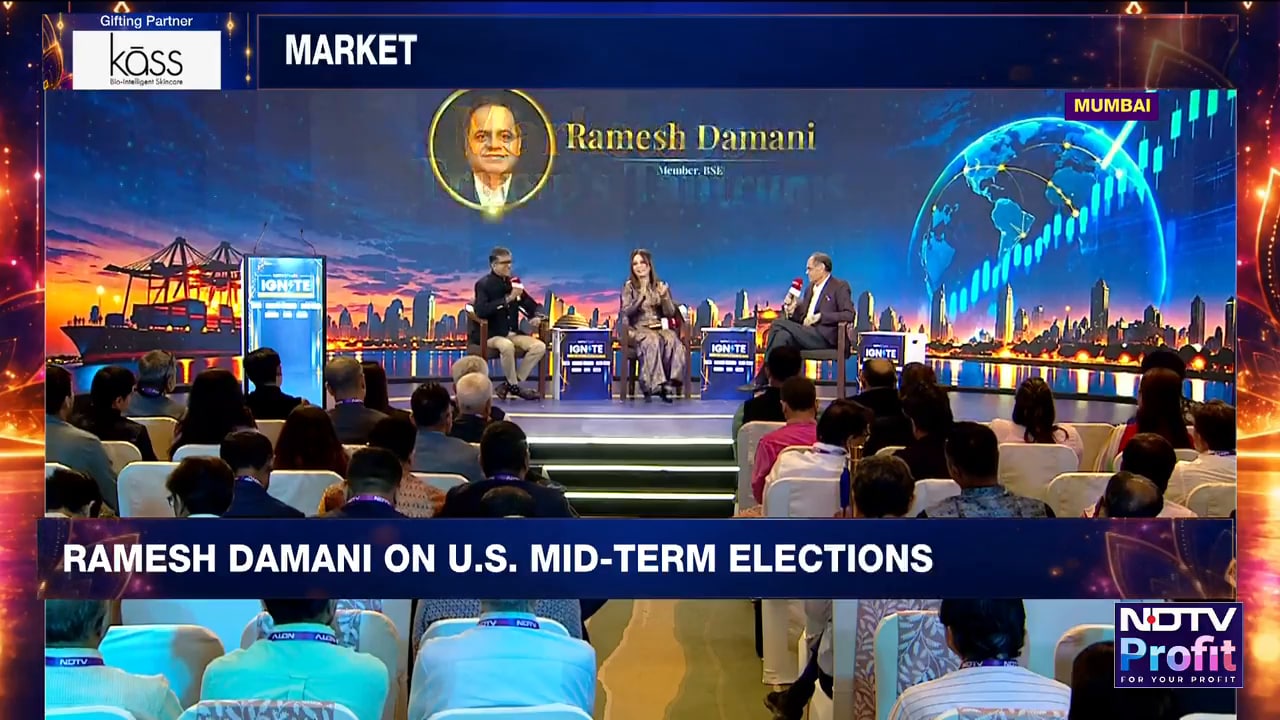
 Ramesh Damani Remains Bullish On India For Next 20-30 Years, Sees Bargains Amid Market Weakness
-
 CAS Came After A Long Consultation Process: SEBI Chairman Tuhin Kanta Pandey AT NDTV PROFIT IGNITE
-
 Aim To Cut FPI Onboarding Time From Mth To Five Days: SEBI Chairman Tuhin Kanta Pandey AT NDTV PROFI
-
 'One Can Never Get Good News And Bad Share Price': S Naren, ICICI Pru Life AMC On NDTV Profit Ignite
“The Indian economy will grow to become a $3 trillion economy in the current year. It is now the sixth largest in the world. Five years ago, it was at the 11th position. In purchasing power parity terms, we are in fact, the 3rd largest economy already, only next to China and the U.S.,” she said.
Also Read | Layoffs Are Rising In Tech, But These Skills Are Helping People Unlock Better Pay
To become a $5 trillion economy and more, India needs to continue undertaking many structural reforms, Sitharaman said in her first-ever Budget presentation.
The minister said the government in the last five years brought about many big reforms in particular, in indirect taxation, bankruptcy, and real estate.
“While these reforms were happening here in the Parliament, the common man's life was being changed through Mudra loans to help him do his business, and through several programmes it was being ensured that his/her kitchen becomes smokeless, his/her house got electricity connection and women's dignity was respected with the provision of toilets in homes,” she said.
The common man was served even as major transformational reforms were being rolled out.
“And for this to continue, we need to invest heavily in infrastructure, in digital economy and on job creation in small and medium firms.”
The minister said the target of reaching a $5 trillion economy is eminently achievable on the back of hard labour of the people of the country.
“Their goals of human pursuit filled with their inherent desire to progress led by the dedicated leadership present in this House, the target is eminently achievable,” the finance minister said.
She also recognised that India's private sector industries, be it small, medium or large, have played a substantial role in growing the economy.
“I recall the words of an eminent industry leader, who said that his company's growth has always aligned itself with India's growth, before and post-independence. So if before-independence, India Inc. understood Swadeshi, today they understand Make in India,” she said.
“We do not look down upon legitimate profit-earning. Gone are the days of policy paralysis and license-quota-control regimes. India Inc. is India's job-creator. They are the nation's wealth-creators,” Sitharaman added.
The minister said, together, with mutual trust, India can gain, catalyse fast and attain sustained national growth.
“I wish to propose a number of initiatives as part of a framework for kick-starting the virtuous cycle of domestic and foreign investments,” she said in her speech.
Essential Business Intelligence, Sharp Market Insights, Practical Personal Finance Advice, Daily Fuel, Gold and Silver Prices and Latest Stories — On NDTV Profit.