- Medicines in supply chain before Sept 22 need not be re-labelled if price compliance is ensured
- Multi-service restaurants with over 75% turnover from food will pay 5% GST without input tax credit
- Leasing cars with operator can be taxed at either 5% with partial ITC or 18% with full ITC
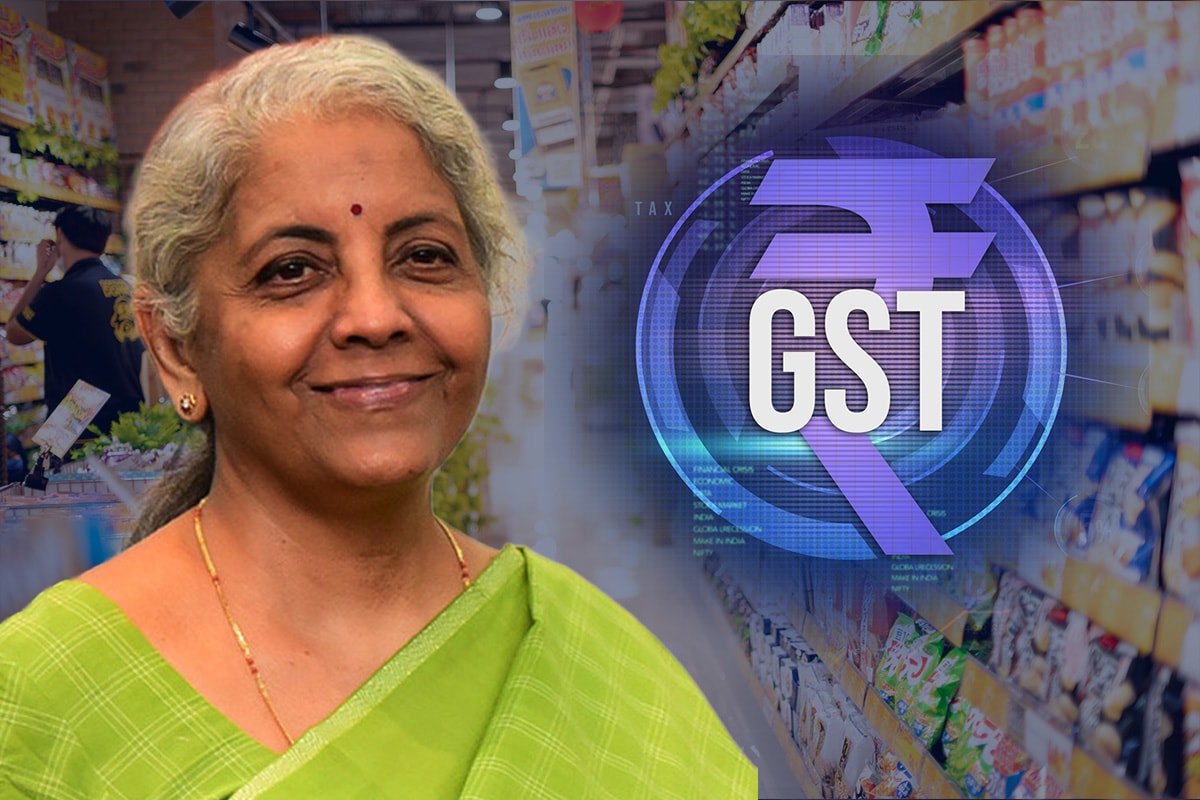
The GST Council's rate cuts, effective from Sept. 22, have streamlined the Goods and Services Tax structure in order to simplify the tax regime and boost consumer spending. This is aimed at bringing in more festive sales, placed ahead of the upcoming festive season.
The new structure introduces a simplified two-tiered system, with a 5% GST for essential goods and a new 18% slab for most other goods and services, alongside a special 40% demerit or sin goods slab.

-
 Indian Markets Turning Corner After Two Tough Years, Says Sandeep Tandon
-
 NDTV Profit Ignite 2026: Experts See Opportunity In Equities, Stay Bullish For Long-Term
-
 Buy Right, Sit Tight Does Not Work for Individual Stocks, Says Dinshaw Irani
-
 'Worst Is Behind': Quant MF Sees Market Bottom, Flags 'Extreme Euphoria' In Midcaps
-
 India's Mutual Fund Industry Could Become A $1 Trillion Opportunity, Say Fund Managers
-
 'Foreign Investors Are Baraatis': Raamdeo Agrawal's Take On LTCG Tax
-
 Stay Invested Through Market Cycles: Raamdeo Agrawal at NDTV Profit Ignite
-
 Ramesh Damani Remains Bullish On India For Next 20-30 Years, Sees Bargains Amid Market Weakness
-
 CAS Came After A Long Consultation Process: SEBI Chairman Tuhin Kanta Pandey AT NDTV PROFIT IGNITE
-
 Aim To Cut FPI Onboarding Time From Mth To Five Days: SEBI Chairman Tuhin Kanta Pandey AT NDTV PROFI
The changes are a result of the GST Council's recommendations in its 56th meeting, and these FAQs address questions about the new rates.
Also Read | Layoffs Are Rising In Tech, But These Skills Are Helping People Unlock Better Pay
Frequently Asked Questions on GST Rate Changes
1. Do I need to re-label MRP on medicines already in the supply chain?
No, recalling and re-labeling the Maximum Retail Price on drug stocks released before Sept. 22, is not mandatory if the manufacturers or marketing companies can ensure price compliance at the retail level.
2. What are the insurance services covered within the ambit of the exemption granted to individual life and health insurance?
Services of individual health and life insurance business provided by insurers to the insured, where the insured is not a group, are included within the ambit of the exemption. When these services are provided to an individual, or to an individual with their family, this will be exempted.
3. How is the GST on food and beverages at multi-service restaurants calculated?
GST on food and beverage at multi-service restaurants with more than 75% of their total turnover derived from food and beverages will be 5% without input tax credit or ITC.
4. What is the tax treatment for services related to the public works sector?
Specific public works, such as the construction of airports, tunnels, flyovers, and bridges, will now have an 18% GST with ITC, except for a few specified services that will continue to be taxed at 12%.
5. What is the GST rate for ready-to-eat popcorn?
Ready-to-eat popcorn is now taxed at 5%.
6. What is the GST rate for the supply of millet flour and food preparations of millet flour?
Millet flour and food preparations of millet flour will be taxed at 5%.
7. What is the GST rate applicable on job work services in relation to bricks?
Job-work services in relation to those bricks that will attract GST at 5%. For example, sand-limebricks will be taxable at the rate of 5% with ITC.
8. What is the applicable tax rate for leasing or renting a car with an operator?
Suppliers of these services can now choose between charging a 5% GST with ITC of input services in the same line of business, or 18% with full ITC.
9. Is there any change in the tax rate for leasing or renting services without an operator?
No, the tax rate on these services remains the same as the tax rate applicable to the supply of similar goods.
10. What is the tax treatment for local delivery services provided by an Electronic Commerce Operator or ECO?
An Electronic Commerce Operator providing or through whom local delivery services are provided will not be included within the scope of a "Goods Transport Agency" or GTA, simplifying its tax treatment.
The simplification is expected to put more disposable income in the hands of consumers, leading to a potential surge in festive purchases, especially for household products, electronics, and lifestyle goods.
Essential Business Intelligence, Sharp Market Insights, Practical Personal Finance Advice, Daily Fuel, Gold and Silver Prices and Latest Stories — On NDTV Profit.