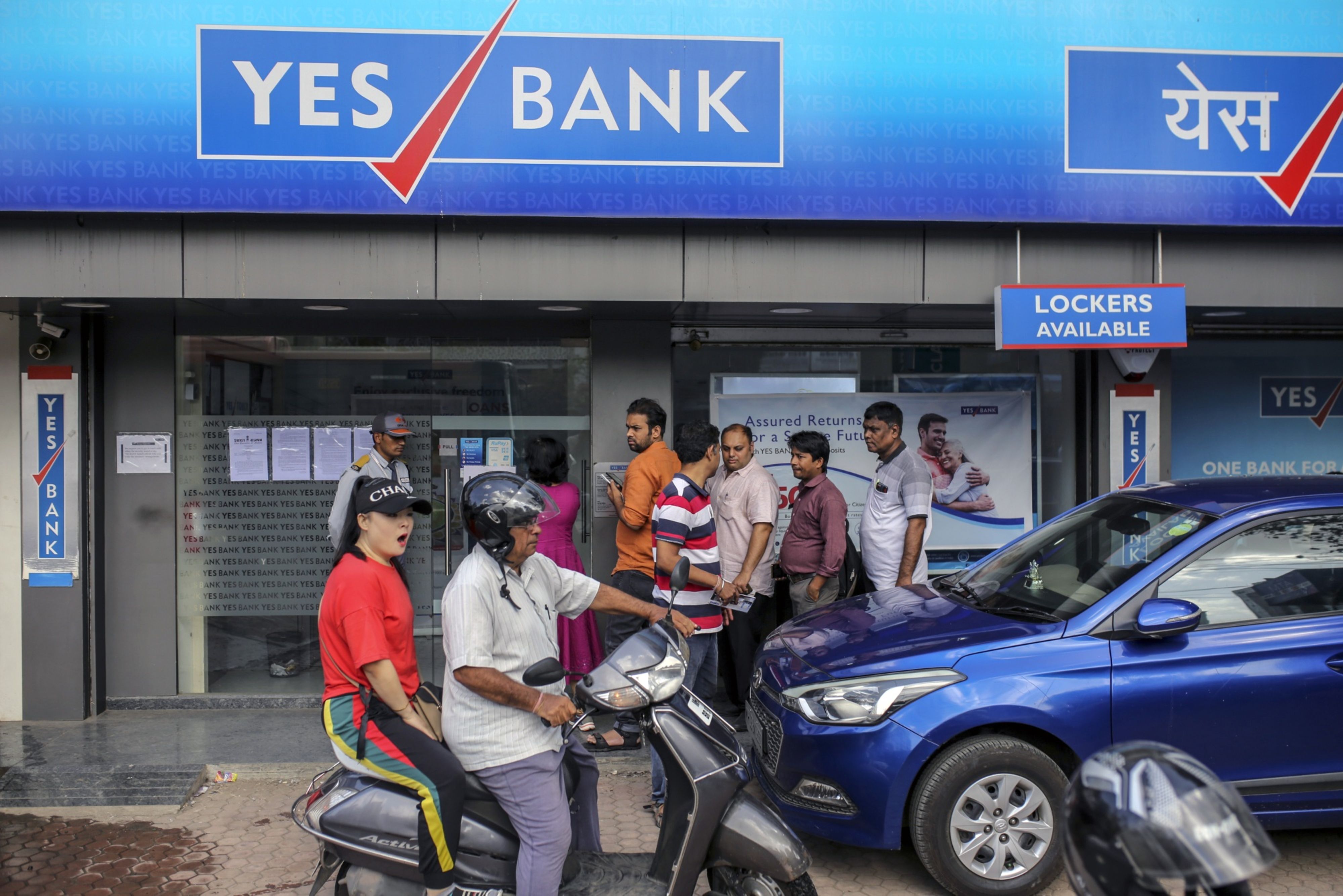
Shares of Yes Bank Ltd. rose as much as 5% after Life Insurance Corporation of India acquired close to 5% stake in the private lender by purchasing share in open market.
The company's stock jumped 4.97% to Rs 14.14—its upper circuit limit—on the BSE. On the National Stock Exchange, it gained 4.83% to Rs 14.10.

-
 Buy Right, Sit Tight Does Not Work for Individual Stocks, Says Dinshaw Irani
-
 'Worst Is Behind': Quant MF Sees Market Bottom, Flags 'Extreme Euphoria' In Midcaps
-
 India's Mutual Fund Industry Could Become A $1 Trillion Opportunity, Say Fund Managers
-
 'Foreign Investors Are Baraatis': Raamdeo Agrawal's Take On LTCG Tax
-
 India Could Gain If AI Trade Unwinds, US Midterms May Hurt Markets: Ramesh Damani
-
 Stay Invested Through Market Cycles: Raamdeo Agrawal at NDTV Profit Ignite
-
 Ramesh Damani Remains Bullish On India For Next 20-30 Years, Sees Bargains Amid Market Weakness
-
 CAS Came After A Long Consultation Process: SEBI Chairman Tuhin Kanta Pandey AT NDTV PROFIT IGNITE
-
 Aim To Cut FPI Onboarding Time From Mth To Five Days: SEBI Chairman Tuhin Kanta Pandey AT NDTV PROFI
-
 "I Am A Material Man In A Material World': Quantum Advisors' Ajit Dayal On NDTV Profit Ignite
With the fresh acquisition, LIC's shareholding in Yes Bank has increased to 4.98% from 0.75% earlier, according to the private sector lender's exchange filing. The state-run insurer purchased 105.98 crore shares, reflecting 4.23% stake, of the bank from the open market, the filing stated.
Also Read | Layoffs Are Rising In Tech, But These Skills Are Helping People Unlock Better Pay
Prior to this, LIC had 0.75% stake in Yes Bank through 19 crore shares held. In all, it said, LIC's holding in the bank increased to 4.98% through 125 crore shares held. The period of acquisition is between Sep. 21, 2017, and July 31, 2020, it said.
Earlier this week, Moody's Investors Service upgraded Yes Bank's long-term foreign currency issuer rating by a notch to ''B3'' from ''Caa1'' after a Rs 15,000-crore capital raising. Despite the upgrade, Yes Bank still remains under non-investment grade.
Obligations rated 'B' are considered speculative and are subject to high credit risk while those rated 'Caa' are judged to be speculative of poor standing and are subject to very high credit risk.
Essential Business Intelligence, Sharp Market Insights, Practical Personal Finance Advice, Daily Fuel, Gold and Silver Prices and Latest Stories — On NDTV Profit.