- Jensen Huang flew on Air Force One after Trump was briefed on intelligence linking him to Chinese agent
- Nvidia accepted Huang’s resignation on November 11 after reports of multiple affairs and an internal probe
- Alice Huang, linked to Nvidia sales in China, was suspected by US officials of being recruited by Beijing
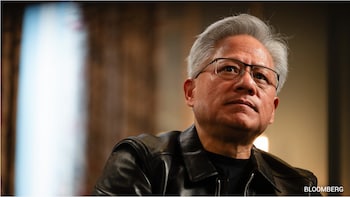
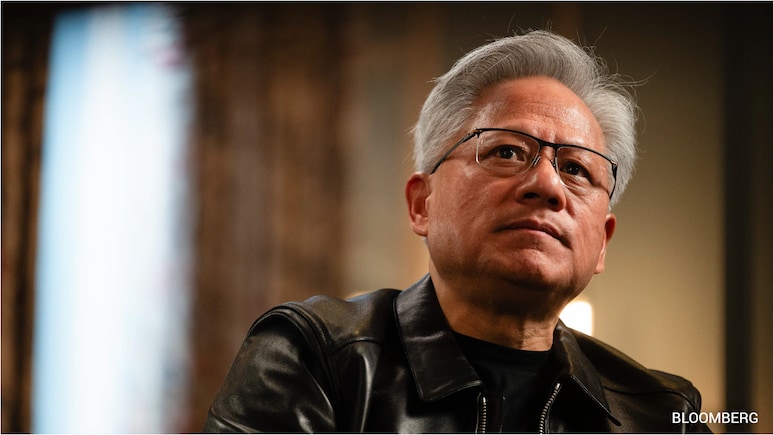
Jensen Huang wasn't on the original passenger list for Donald Trump's trip to Beijing. Then Trump called. On May 12, 2026, the Nvidia chief flew to Anchorage, Alaska, to board Air Force One during a refuelling stop.
Before Huang got on, Secretary of State Marco Rubio had briefed Trump on US intelligence that Huang was involved with a woman suspected of working for Beijing. Huang boarded anyway.
Six months later, Trump was still defending him. Nvidia was preparing to move on.
Also Read | Layoffs Are Rising In Tech, But These Skills Are Helping People Unlock Better Pay
The board accepted Huang's resignation on November 11. Nvidia announced it the next morning. After 33 years at the company he had co-founded, Huang was out as chief executive and as a director. Chief financial officer Colette Kress took over as interim CEO. Harvey Jones became Nvidia's first board chair.
By then, Huang had admitted an affair, a second relationship had been reported, and lawmakers who had spent years trying to restrict Nvidia's chip sales to China had an opening.
The Name Behind the Intercept
The woman at the centre of the intelligence warning was Alice Huang, also known as Huang Le. A Chinese businesswoman and former executive at Singapore-based Megaspeed, she worked at a major Nvidia customer. The two Huangs are unrelated.
US officials were already looking into whether Megaspeed had helped Chinese buyers get around American chip restrictions. According to The New York Times, surveillance of Alice Huang picked up communications pointing to an intimate relationship with an American whose name was masked in the intelligence reporting. Officials asked to see the name.
It was Jensen Huang.
The Information reported that a network of companies tied to Alice Huang helped move at least $7.5 billion worth of Nvidia chips to China. Bloomberg reported that Nvidia's tally for the US government understated its Megaspeed sales by about 50,000 chips. Nvidia initially characterised Jensen Huang's dealings with her as routine contact between a chief executive and a customer.
Some US officials suspected that China's Ministry of State Security had recruited Alice Huang to gather information and influence the Nvidia chief's thinking on chip sales. Beijing denied she was a spy. Attorney General Todd Blanche said US investigators had reached no conclusion about her alleged intelligence role. Nvidia said it had no reason to believe its trade secrets or US national security had been compromised.
Rubio Puts It in Writing
Rubio, who also serves as Trump's national security adviser, oversaw a classified memo dated March 30. It drew on a CIA report. A person familiar with the matter told The Washington Post that Rubio had put the agency's findings in more assertive terms.
The memo went to a small circle of senior officials, including Commerce Secretary Howard Lutnick, whose department oversees chip export licences.
One former official who worked on chip policy told the Post what some in Trump's national security team wanted. “They wanted to destroy the influence Jensen had over the president.”
Trump had already been briefed on the intelligence before Rubio raised it aboard Air Force One, according to the Times. When the story broke publicly months later, Trump said Huang had told him he had no idea the woman was suspected of spying. Trump said he believed him.
Four Days From an Apology to an Exit
The intelligence allegations became public on October 29. On November 8, Huang admitted the affair and apologised to his family. Nvidia opened an independent investigation. Its board said it still had confidence in him.
Then came a report of a second affair, this time with an Nvidia executive who reported to Huang. Directors met on Wednesday, November 11. By Thursday morning, Nvidia had announced his departure. The company did not publicly say what tipped the decision.
Trump called him a “legend.”
The Fight Huang Had Been Winning
Huang's argument to Washington was straightforward. Keep selling to China and Chinese companies would keep building on American technology. Cut them off and they would have a reason to build their own. China hawks saw the same chips as a strategic asset that could advance a rival's AI and military capabilities. For much of Trump's second term, Huang was getting the decisions he wanted.
In July 2025, days after Huang met Trump at the White House, the administration lifted its ban on sales of Nvidia's H20 chips to China. Nvidia agreed to give the US government 15 percent of the revenue from those sales.
A bill that would have put American buyers first went nowhere. Senator Elizabeth Warren said Huang had lobbied Republican senators against it.
In December, Trump cleared exports of a more powerful class of chips. Lutnick said the president and Huang had worked out the deal. Nvidia's top-end Blackwell chips stayed off limits to China.
The feud even had merchandise. After Huang said on a podcast that being called a China hawk should be a badge of shame, people in Washington made actual badges and passed them around. Eric Sayers, a national security analyst, warned that the group had “long memories.” As the scandal deepened, he reposted the message.
The Hawks Have Three Bills
Lawmakers are trying to attach three proposals to the annual defence bill. The AI Overwatch Act would let Congress block certain advanced-chip export licences. The Chip Security Act would require chip tracking to combat smuggling. The MATCH Act would press allies such as Japan and the Netherlands to tighten restrictions on sales of chipmaking equipment to China.
Nvidia was seen as a leading opponent of the first two measures, according to a former congressional staffer who spoke to Reuters. The proposals still have to make it into the final bill, and lawmakers are fighting over how much power Congress should have over decisions now made by the executive branch.
Nvidia reports earnings on November 17. Investors will hear from Kress in the job Huang held for 33 years. In Washington, the lawmakers who spent years trying to loosen Huang's grip on chip policy now have to persuade the man who gave him a seat on Air Force One.
Essential Business Intelligence, Sharp Market Insights, Practical Personal Finance Advice, Daily Fuel, Gold and Silver Prices and Latest Stories — On NDTV Profit.