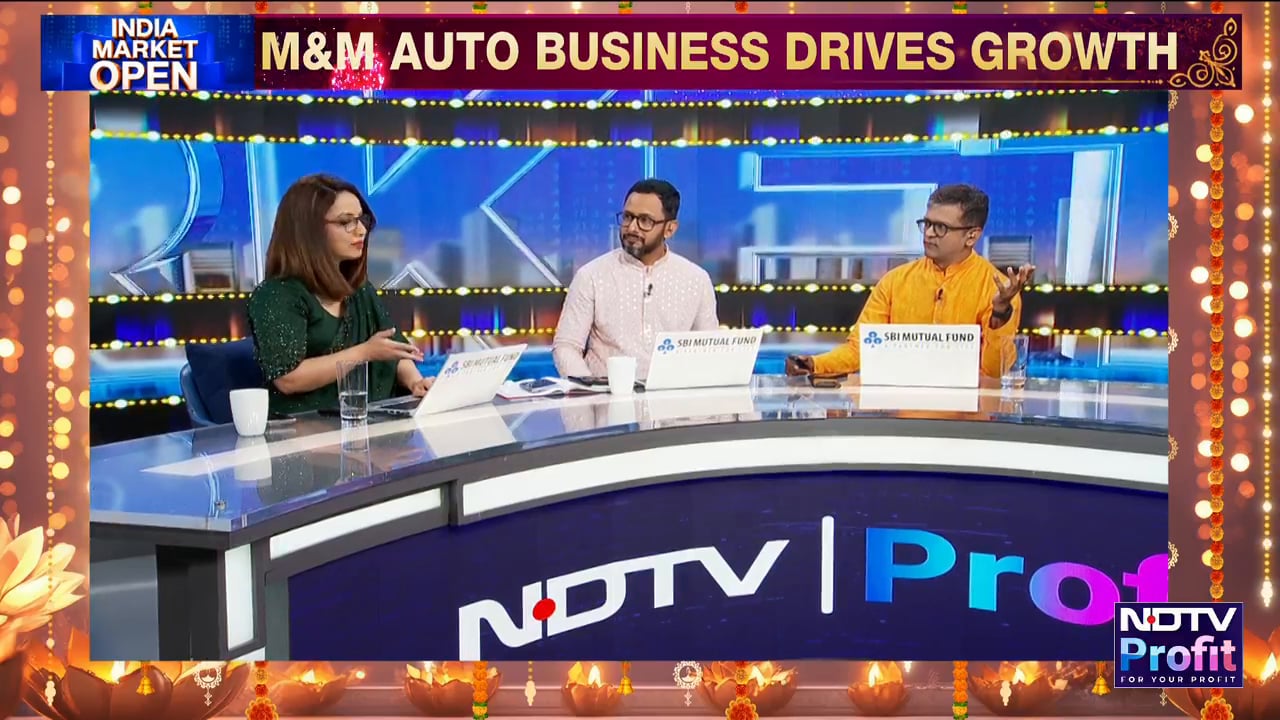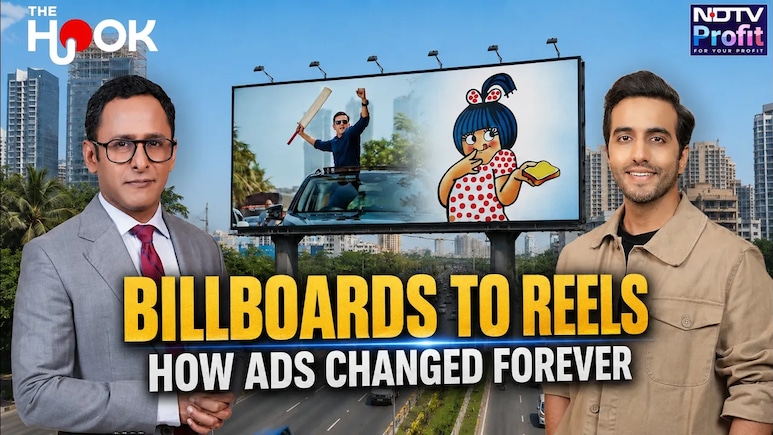
India's advertising story has always mirrored the country's own evolution. From the hand-painted hoardings of a newly independent nation to AI-generated avatars and meme-led campaigns on social media, brands have spent decades learning how to speak to a changing consumer.
The first episode of The Hook, Alex Mathew and Aayush Ailawadi explore how brands are fighting for attention in the digital age, where content has become the new currency and a smartphone can rival a multi-crore advertising campaign.

-
 Indian Markets Turning Corner After Two Tough Years, Says Sandeep Tandon
-
 NDTV Profit Ignite 2026: Experts See Opportunity In Equities, Stay Bullish For Long-Term
-
 Buy Right, Sit Tight Does Not Work for Individual Stocks, Says Dinshaw Irani
-
 'Worst Is Behind': Quant MF Sees Market Bottom, Flags 'Extreme Euphoria' In Midcaps
-
 India's Mutual Fund Industry Could Become A $1 Trillion Opportunity, Say Fund Managers
-
 'Foreign Investors Are Baraatis': Raamdeo Agrawal's Take On LTCG Tax
-
 Stay Invested Through Market Cycles: Raamdeo Agrawal at NDTV Profit Ignite
-
 Ramesh Damani Remains Bullish On India For Next 20-30 Years, Sees Bargains Amid Market Weakness
-
 CAS Came After A Long Consultation Process: SEBI Chairman Tuhin Kanta Pandey AT NDTV PROFIT IGNITE
-
 Aim To Cut FPI Onboarding Time From Mth To Five Days: SEBI Chairman Tuhin Kanta Pandey AT NDTV PROFI
In the 1940s and 1950s, advertising was largely functional, helping a young country understand modern products. By the 1960s and 1970s, brands began developing personality, led by icons such as the Amul girl. Television then changed the grammar of advertising, with campaigns such as Nirma becoming part of everyday recall.
Also Read | Layoffs Are Rising In Tech, But These Skills Are Helping People Unlock Better Pay
The 1980s brought the shared culture of Doordarshan, while liberalisation in the 1990s opened the floodgates for global brands and choice. By the 2000s, telecom and consumer brands were fighting for attention through emotion, wit and mass reach. But the biggest shift came with the smartphone.
Today, advertising is no longer only about buying expensive media. As marketing veteran Shubhranshu Singh says in the episode, brands now have to think like media companies, while media companies must behave like brands. With social media taking a disproportionate share of advertising revenues, content, storytelling and community-building have become central to brand strategy.
The episode also spotlights newer consumer brands such as The Whole Truth and Benne, which have built their appeal around honesty, transparency and organic content rather than conventional advertising playbooks. Their rise underlines a broader shift: the hook now matters as much as the product.
The show ends with a tribute to Piyush Pandey, whose work gave Indian advertising its warmth, wit and soul. His legacy remains a reminder that while platforms change, memorable storytelling still sticks.
Watch full episode here:
The Hook Episode 2: Sport's New Playbook: How Brands Are Chasing Fans Beyond The 30-Second Ad
Essential Business Intelligence, Sharp Market Insights, Practical Personal Finance Advice, Daily Fuel, Gold and Silver Prices and Latest Stories — On NDTV Profit.