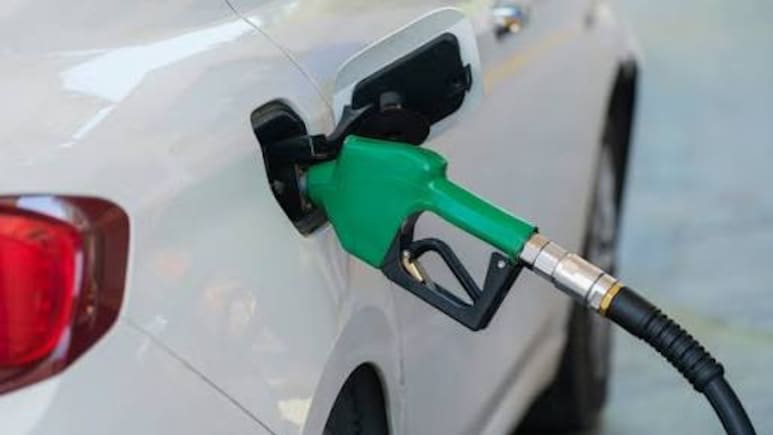
India has avoided the sharp fuel price increases seen in several countries despite disruptions to global oil supplies, with the Centre attributing the relative stability to repeated cuts in central excise duty on petrol and diesel.
Union Petroleum and Natural Gas Minister Hardeep Singh Puri said fuel prices had risen by 50-60% in several countries amid recent geopolitical tensions. India, however, managed to shield domestic consumers from a similar increase, ANI reported.
Speaking at a meeting with petroleum dealers, Puri pointed to three excise duty cuts announced by the Centre in November 2021, May 2022 and March 10, 2026. The latest reduction brought down the excise duty on both petrol and diesel by Rs 10 per litre.
Also Read | Layoffs Are Rising In Tech, But These Skills Are Helping People Unlock Better Pay
Puri said that when fuel prices were assessed over the past four years, domestic rates had actually declined despite repeated international supply shocks.
Strait Of Hormuz Disruption Put Global Oil Supplies Under Pressure
The minister traced the challenges facing India's energy sector to the Russia-Ukraine war in February 2022. The situation became more complicated after the Strait of Hormuz was closed on February 28, 2026, disrupting a critical route for global oil and gas shipments.
The disruption was followed by tensions and attacks in the Red Sea, adding further pressure on energy transportation.
Speaking after the FICCI Annual General Meeting in New Delhi, Puri said crude oil prices had climbed from around $67-68 per barrel to nearly $120 during the disruption. Prices were still hovering around $92, and he cautioned that the situation remained uncertain.
"We are not out of the woods yet," he said, adding that discussions involving the United States, Iran and Gulf countries were continuing to restore the free movement of energy supplies.
Also Read | Petrol Pump Dealers Meet Oil Minister Today With One Demand: Higher Margins
India Managed Fuel Supply Despite Global Disruptions
Puri also highlighted the country's ability to maintain uninterrupted fuel availability. India has approximately 1.07 lakh retail fuel outlets, and none reportedly ran dry during the disruption.
LPG supplies presented a bigger challenge because India imports around 60% of its consumption, with approximately 90% of those imports passing through the Strait of Hormuz.
The government responded by coordinating with oil marketing companies and refiners to increase domestic LPG production. Daily output rose from around 35,000 tonnes to 55,000 tonnes as cylinder bookings climbed from 52 lakh to 92 lakh.
Puri said the government continued to monitor the situation closely. He also acknowledged that oil marketing companies were facing financial shortfalls on fuel sales, with compensation remaining an ongoing process.
Also Read | 'I Am Responsible For 40% Of Air Pollution': Nitin Gadkari's Push To Move India Beyond Petrol, Diesel
Essential Business Intelligence, Sharp Market Insights, Practical Personal Finance Advice, Daily Fuel, Gold and Silver Prices, Watch Business News Live and Latest Stories — On NDTV Profit.