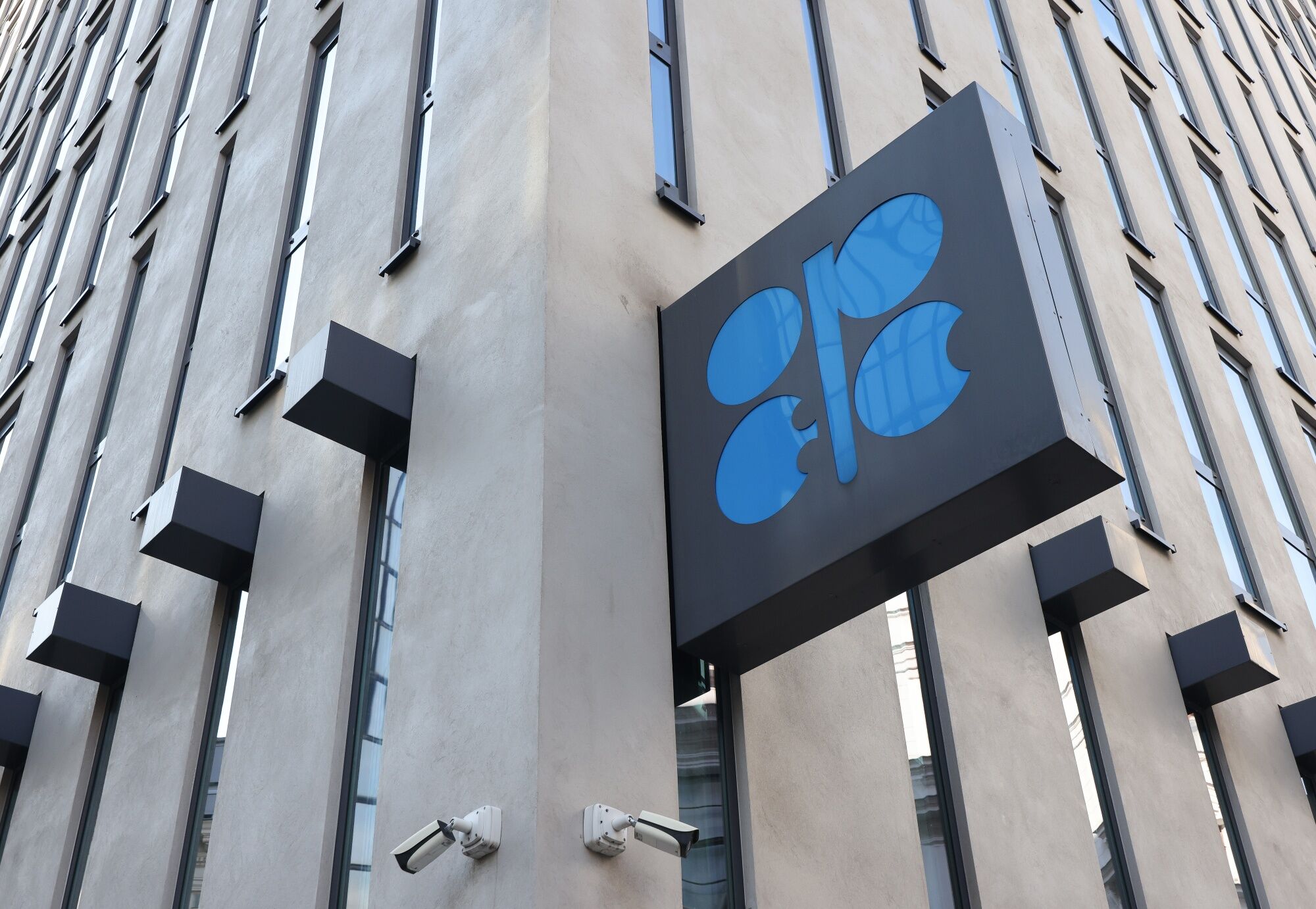
(Bloomberg) -- OPEC+ is no closer to resolving the deadlock over oil-output quotas for some African members that has already forced the group to delay a critical meeting amid faltering prices, according to delegates.
The Saudi-led alliance hasn't been able to reach an agreement with Angola and Nigeria, which are pushing back against lower quota limits for 2024 that reflect their diminished production capabilities, delegates said, asking not to be named because the information was private. The stalemate may not be resolved before the scheduled OPEC+ meeting on Nov. 30, potentially requiring a further delay, one delegate said.
The Organization of Petroleum Exporting Countries and its partners needs to finalize output policy for 2024, with market watchers predicting that further cuts are needed as crude prices sag toward $80 a barrel on the prospect of a renewed surplus. Saudi Arabia, which has been making a voluntary output reduction of 1 million barrels a day since July, is asking other members of the coalition to reduce their quotas to share the burden of cuts.
Angola and Nigeria are disputing changes to their output targets that were provisionally agreed when OPEC+ last met in June. Those new quotas were subject to a review by external consultants and both countries were unhappy with the revised figures.
Lagos is now seeking a quota of 1.58 million barrels a day for 2024, a slight increase from the provisional level, one delegate said. Luanda is proposing 1.18 million barrels a day, which is lower than the figure agreed in June but higher than the consultants' estimate, the delegate said.
Failure to reach consensus could be very costly for the 23-nation coalition, which relies on petroleum revenue to cover government spending.
Crude traders have largely priced in that group leaders Saudi Arabia and Russia will extend their 1.3 million barrels-a-day of additional supply curbs through the first quarter of 2024. Many are banking on even more muscular action from the wider alliance.
“With fundamentals softening and market sentiment bearish, OPEC+ may need to announce another formal cut,” analysts at Eurasia Group led by Raad Alkadiri said in a report on Monday. Anything short of a 1 million barrel-a-day reduction could send prices to the low $70s, they added.
As part of the deal agreed in June, the United Arab Emirates secured the right to increase production modestly in January in order to deploy recent capacity additions. It's unclear whether there's any pressure now for Abu Dhabi to relinquish that boost in order to shore up flagging markets.
--With assistance from Fiona MacDonald.
More stories like this are available on bloomberg.com
©2023 Bloomberg L.P.
Essential Business Intelligence, Sharp Market Insights, Practical Personal Finance Advice, Daily Fuel, Gold and Silver Prices and Latest Stories — On NDTV Profit.