Novo Nordisk is giving itself a new look as it enters what it describes as its next chapter, with a sharper focus on how the company connects with consumers, patients and other stakeholders.
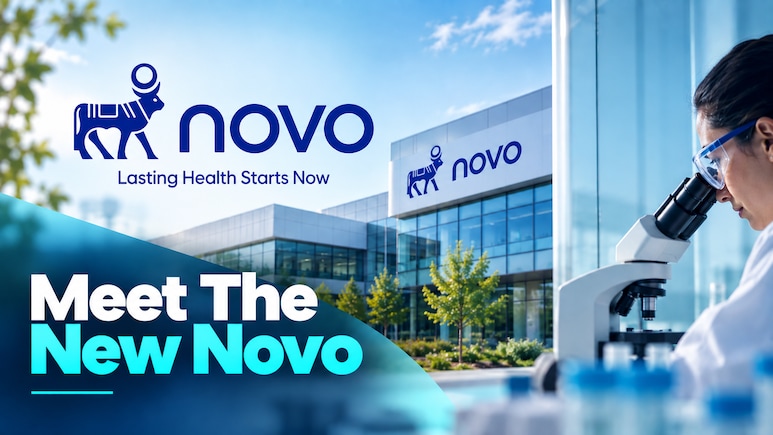
The Danish drugmaker is embracing “Novo” as its day-to-day name, refreshing its iconic Apis bull logo and introducing the new brand promise “Lasting Health Starts Now.” The changes come as Novo faces intensifying competition from Eli Lilly in the fast-growing obesity and GLP-1 market.
From Novo Nordisk To ‘Novo'
Also Read | Layoffs Are Rising In Tech, But These Skills Are Helping People Unlock Better Pay
Novo Nordisk said innovation and technology are changing how people engage with their health, creating demand for healthcare that is more responsive, relevant and easier to fit into everyday life. Its rebrand is positioned as part of the company's ambition to bring better health to more people.
The company will use “Novo” as its everyday name, while Novo Nordisk A/S will remain its legal global name. The Apis bull logo, which has been part of the brand since the 1920s, has also been updated. Novo is additionally introducing a more vivid “Lasting Blue”, “Now Turquoise” and a new typeface.
Alongside the visual changes, Novo has introduced “The Novo Way”, a new set of cultural principles centred on putting consumers and patients at the centre, raising performance, creating greater speed and focus, and maintaining its emphasis on patient safety and ethics. The company specifically says these principles are designed for a “faster, more competitive and increasingly consumer-driven market.”
A Brand Reset Amid Lilly Competition
That timing is significant given the changing balance in the GLP-1 market. During Q2, Novo remained the GLP-1 volume leader in international operations, with a 58% market share.
But Eli Lilly held 60.9% of the US incretin analog market, compared with 38.8% for Novo, as the US market expanded 31%. Lilly's Q2 revenue rose 48% to $23 billion, with Mounjaro sales reaching $9.9 billion and Zepbound sales at $4.9 billion.
Novo, meanwhile, reported Q2 sales of DKK 78.5 billion, up 7% at constant exchange rates, while obesity sales rose 16% to DKK 23.15 billion.
Rebranding alone cannot change the competitive strength of either company's medicines, but altering the name to “Novo” might make the business more recognisable, and by building a brand around accessibility, speed and consumer engagement, the company is seeking to align its identity with the market it is trying to expand into.
Having said that, only time could tell how much of that translates into stronger consumer connection and, ultimately, market share will depend on how the branding works alongside Novo's expanding product portfolio and commercial execution.
Also Read: Wegovy Maker Novo Nordisk Says Semaglutide Cleared Obesity In 40% Of Children Tested
Essential Business Intelligence, Sharp Market Insights, Practical Personal Finance Advice, Daily Fuel, Gold and Silver Prices and Latest Stories — On NDTV Profit.