- Snabbit launched AI-based safety system Snabbit Kavach for women workers in homes
- System detects distress by monitoring voice and phone motion to trigger alerts automatically
- Snabbit has 12,000 women professionals working in unfamiliar home environments
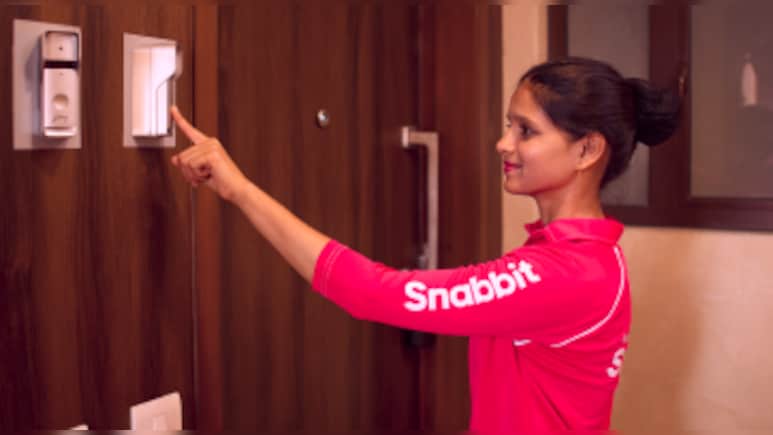
Snabbit has launched an artificial intelligence-based safety system to protect women workers providing short-duration household services through its platform. The feature, called Snabbit Kavach, monitors distress signals when workers enter customers' homes and can automatically trigger an emergency alert if it detects signs of risk.
The launch comes as India's instant house-help services segment grows, with platforms offering cleaners, cooks and other helpers that customers can book within minutes.
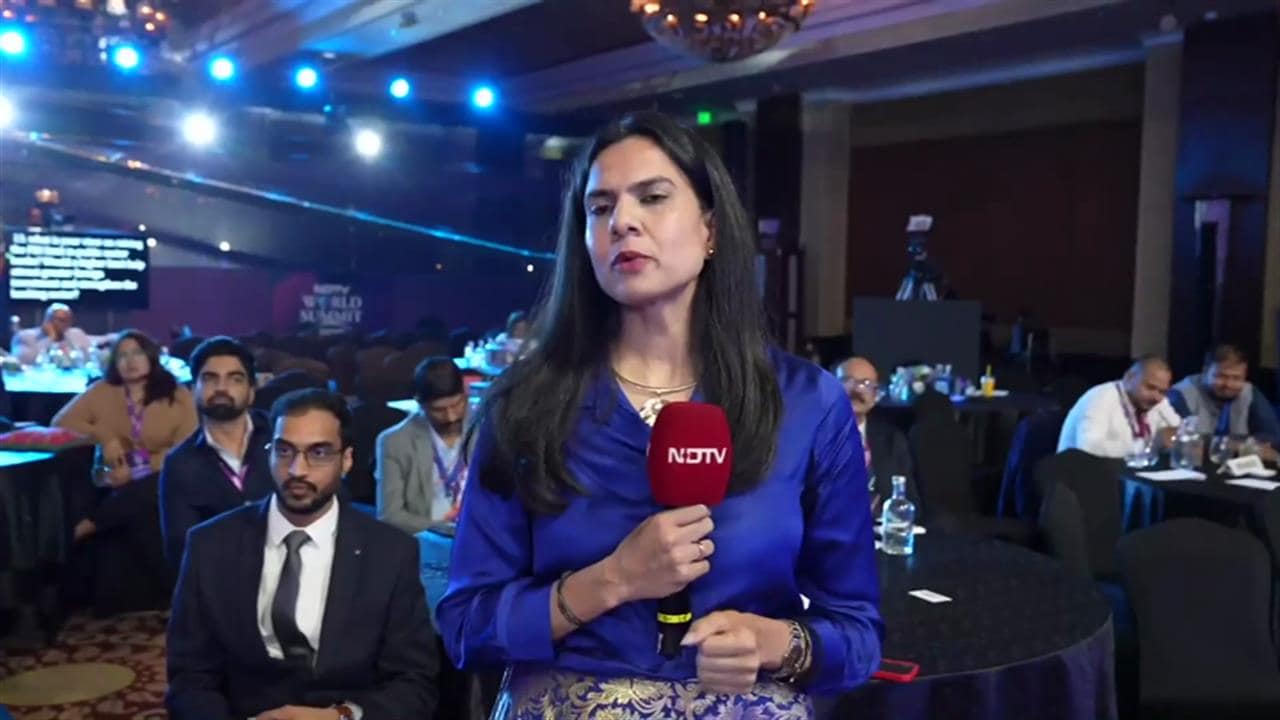
Speaking to NDTV Profit, Snabbit founder and chief executive officer Aayush Agarwal said the platform currently has around 12,000 women service professionals who often work in unfamiliar homes.
Also Read | Layoffs Are Rising In Tech, But These Skills Are Helping People Unlock Better Pay
“We have close to 12,000 women professionals on the platform who regularly work in environments they have not seen before,” Agarwal said.
Snabbit Kavach functions as what the company describes as an “invisible safety shield”. The system analyses indicators such as sudden increases in voice decibel levels, unusual phone motion patterns and voice commands during a job.
Unlike conventional safety tools that require workers to manually activate an SOS, the system can automatically trigger an alert if abnormal signals are detected. The alert then activates Snabbit's response team.
The feature launches as competition increases among platforms seeking to expand in the instant house-help segment across urban India.
Snabbit currently completes around 35,000 jobs per day on average, Agarwal said. More than half of these jobs come from about 20 micro-markets, reflecting the company's strategy of building density in limited locations rather than expanding rapidly into new cities.
Agarwal said comparisons based on peak daily bookings across platforms can be misleading.
“Many platforms highlight festival or weekend peaks, but the more relevant metric is the average number of jobs completed across the month,” he said.
On that basis, Agarwal said Snabbit and Urban Company are currently operating at similar scale even though Snabbit is present in fewer locations.
ALSO READ: India's Quick-Help Boom Creates Two Leaders: Urban Company And Snabbit
The company expects further expansion in the category. Agarwal said Snabbit has grown nearly ten-fold in the past six months and believes the market could eventually reach one million jobs per day as demand expands.
At the same time, the company has started focusing on improving unit economics. Agarwal said discounts, which were used widely in the early stage of building the category, are already declining on the platform.
“Growth in this category cannot be sustained through discounts alone. It will increasingly be driven by reliability, trained experts and superior customer experience,” he said.
According to Agarwal, older micro-markets on the platform have begun showing early signs of profitability. He said the company expects to reach profitability ahead of competitors.
However, Agarwal said operating the business at scale remains challenging.
“This category is far harder to execute than it appears,” he said. “Success will depend on building trust and operational reliability rather than simply chasing growth.”
ALSO READ: Pync Founding Team Joins Snabbit As Quick Home Services Market Scales In India
Essential Business Intelligence, Sharp Market Insights, Practical Personal Finance Advice, Daily Fuel, Gold and Silver Prices and Latest Stories — On NDTV Profit.