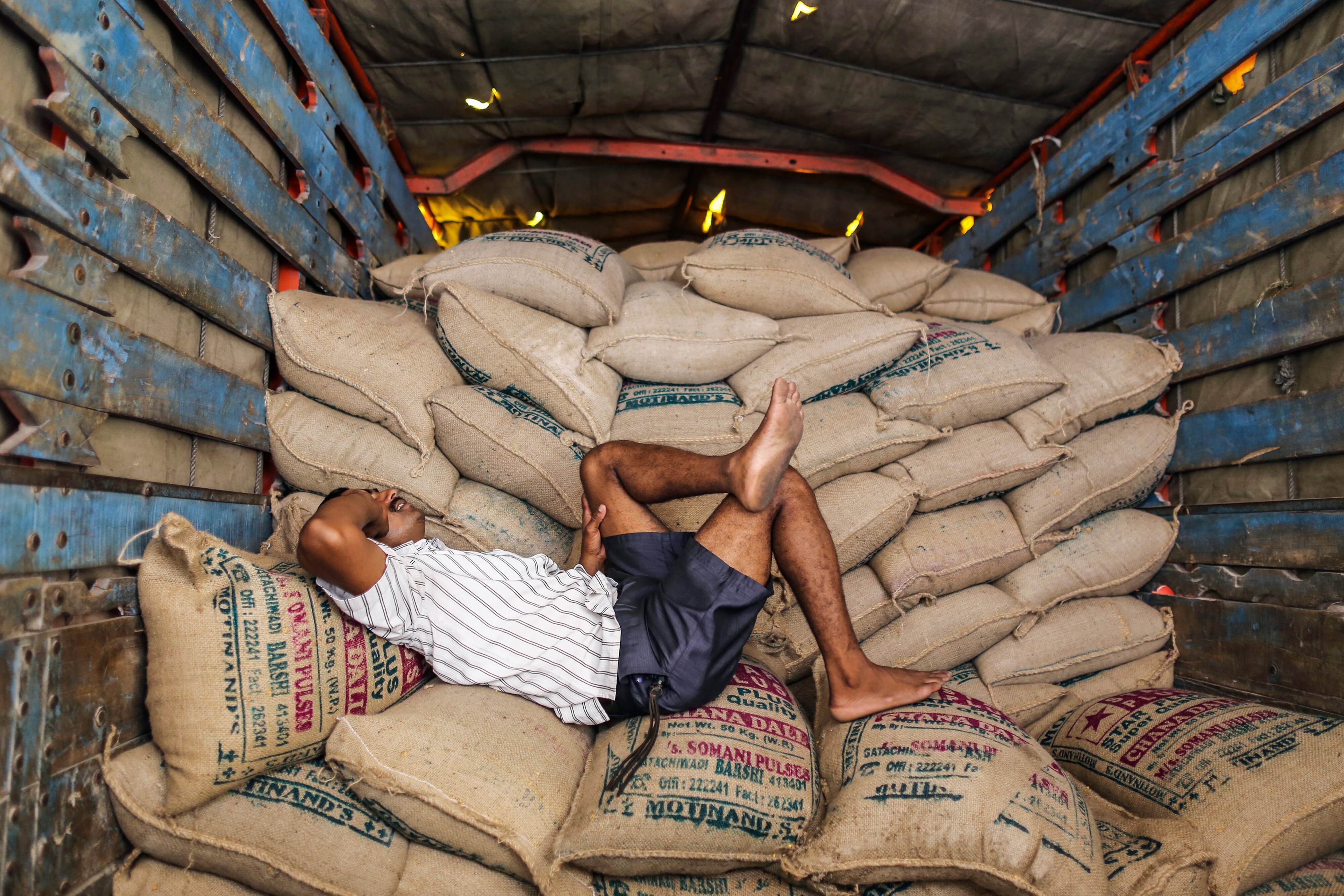
Senior officials of India and Iran are likely to hold fifth round of negotiations for a bilateral Preferential Trade Agreement in New Delhi this month, an official said.
Till now, four rounds of negotiations have been completed and the last one was held in March in Tehran where both countries discussed draft text of the pact.

-
 Indian Markets Turning Corner After Two Tough Years, Says Sandeep Tandon
-
 NDTV Profit Ignite 2026: Experts See Opportunity In Equities, Stay Bullish For Long-Term
-
 Buy Right, Sit Tight Does Not Work for Individual Stocks, Says Dinshaw Irani
-
 'Worst Is Behind': Quant MF Sees Market Bottom, Flags 'Extreme Euphoria' In Midcaps
-
 India's Mutual Fund Industry Could Become A $1 Trillion Opportunity, Say Fund Managers
-
 'Foreign Investors Are Baraatis': Raamdeo Agrawal's Take On LTCG Tax
-
 Stay Invested Through Market Cycles: Raamdeo Agrawal at NDTV Profit Ignite
-
 Ramesh Damani Remains Bullish On India For Next 20-30 Years, Sees Bargains Amid Market Weakness
-
 CAS Came After A Long Consultation Process: SEBI Chairman Tuhin Kanta Pandey AT NDTV PROFIT IGNITE
-
 Aim To Cut FPI Onboarding Time From Mth To Five Days: SEBI Chairman Tuhin Kanta Pandey AT NDTV PROFI
"Both sides have tentatively agreed to hold the fifth round of talks here this month," the official added.
Also Read | Layoffs Are Rising In Tech, But These Skills Are Helping People Unlock Better Pay
Unlike in a free trade pact, where two trading partners significantly reduce or eliminate duties on maximum number of goods traded between them, PTA involves removal of duties on certain identified products.
According to trade experts, the proposed agreement will give India a greater market access in the Persian Gulf nation.
"The PTA may not help India in bypassing trade sanctions being imposed by the U.S. on Iran, but in the long run, Iran is an important market for Indian exporters," Biswajit Dhar, a professor of economics at Jawaharlal Nehru University, said.
Trade Promotion Council of India Chairman Mohit Singla said the PTA is important as India will be able to diversify its export basket which is now limited to agri-products.
"With a carefully designed PTA, strategic products such as leather, textiles and ready made garments, which attract very high duties in Iran can become naturally competitive and India will be able to leverage its export strengths," he said.
Federation of Indian Export Organisations said Iran holds huge export opportunities in sectors such as agriculture, chemicals, machinery, pharmaceuticals, paper and paper products, man-made fibre and filament yarn and essential oils.
"The PTA will help India in its long run to increase exports," FIEO DG Ajay Sahai said.
Iran's major exports to India are oil, fertilisers and chemicals while imports include cereals, tea, coffee, spices and organic chemicals.
India's exports to the Persian Gulf nation in 2017-18 were worth $2.65 billion, while imports were valued at $11.11 billion. The trade imbalance is mainly because of India's import of oil from Iran.
India, the world's third-biggest oil consumer, meets more than 80 percent of its oil needs through imports. Iran in 2017-18 was its third-largest supplier after Iraq and Saudi Arabia and meets about 10 percent of the total needs.
Essential Business Intelligence, Sharp Market Insights, Practical Personal Finance Advice, Daily Fuel, Gold and Silver Prices and Latest Stories — On NDTV Profit.