- India has barred several Chinese firms from selling internet-connected CCTV cameras from April 1, 2026.
- The move mandates strict certification compliance to strengthen cybersecurity and surveillance oversight.
- Domestic brands may benefit, while prices could rise due to lower competition and higher compliance co
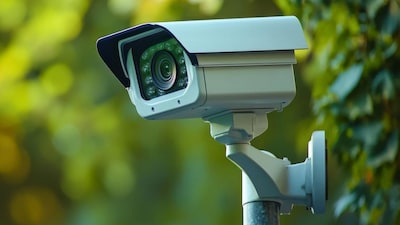
India has banned several Chinese manufacturers from selling internet-connected CCTV cameras in India, effective April 1, 2026, for strengthening digital security and encouraging local brands instead of foreign surveillance technology, reports said.
The compliance with India's certification framework for overseas companies like Hikvision and Dahua is mandatory, and ignorance will effectively bar the sale of CCTV products in the country, according to the reports.
Also Read: Ambuja Cements-Penna Cement Merger Gets Green Light from NCLT Ahmedabad
Also Read | Layoffs Are Rising In Tech, But These Skills Are Helping People Unlock Better Pay
Officials stated the move aims to tighten oversight of surveillance equipment and ensure strict compliance with security norms, the Economic Times report said. In context of critical or public-installed infrastructure and government operations, the use of certified equipment is a non-negotiable safeguard against systemic vulnerabilities and security breaches, they added.
Measures Under New Framework
The surveillance infrastructure is the priority under the new rules to protect against imported devices and cyber threat risks. The transparency about the hardware origin in CCTV ensures that data vulnerability can be prevented from unauthorised remote access.
As regulations tighten, India's CCTV market is undergoing a major realignment that favours domestic manufacturers, placing brands like CP Plus and Qubo at the forefront of the industry. CCTV camera prices could increase as competition reduces and compliance costs rise.
These restrictions follow the Ministry of Electronics and Information Technology's introduction of Essential Requirements (ER) for CCTV cameras in April 2024. To ensure compliance, the industry was granted a two-year transition period to certify products under the government's STQC regime.
To date, the government has officially certified 507 CCTV camera models under this new security framework. These changes represent a major shift in India's electronics and surveillance sector, highlighting the country's increasing emphasis on cybersecurity, data protection, and trusted technology infrastructure.
The new restrictions may disrupt the surveillance market, potentially causing temporary supply shortages and a slight uptick in CCTV prices.
Essential Business Intelligence, Sharp Market Insights, Practical Personal Finance Advice, Daily Fuel, Gold and Silver Prices and Latest Stories — On NDTV Profit.