HDFC Bank, SBI Cut Base Rate By 15-25 Basis Points
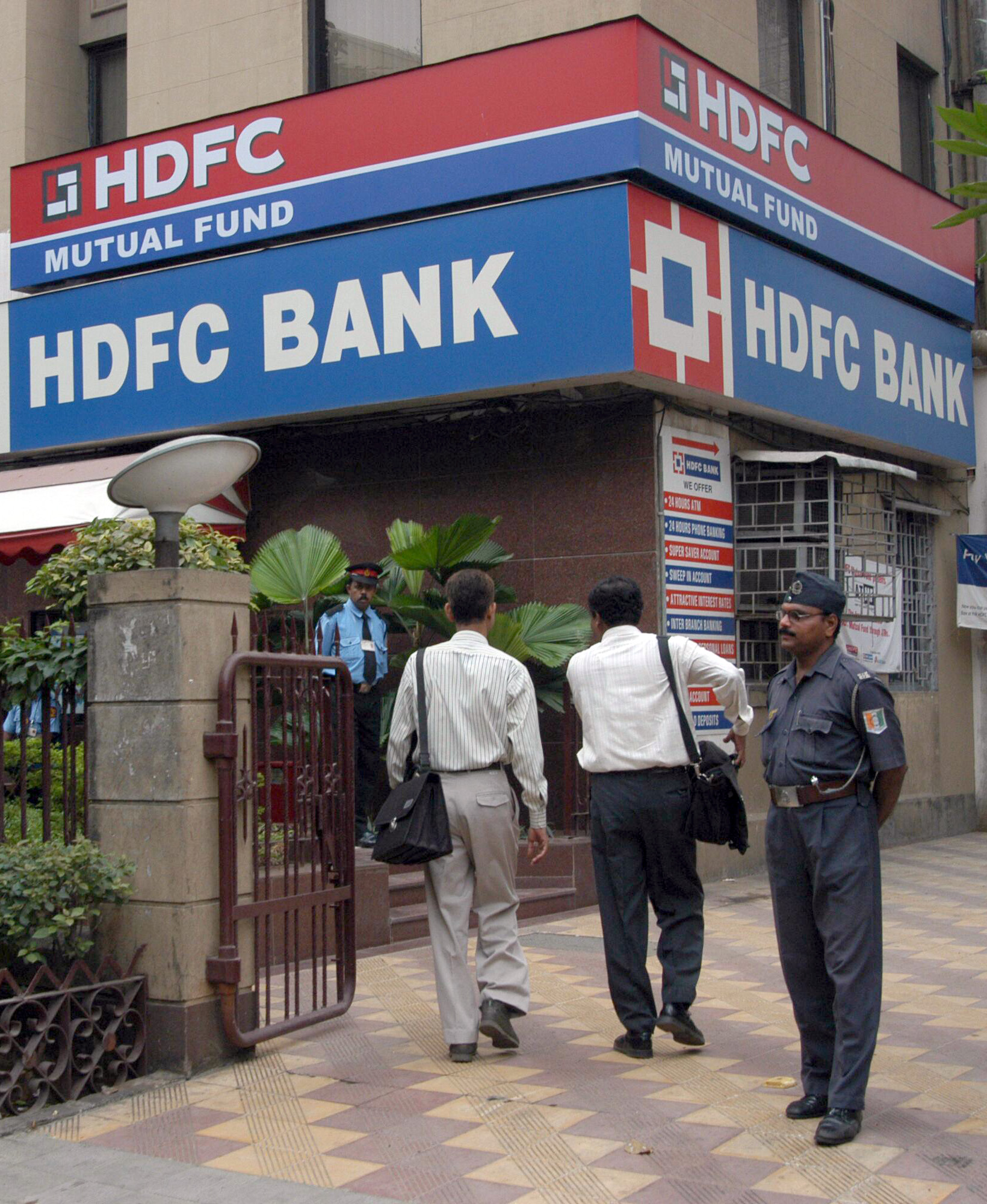
Two of the countries largest lenders State Bank of India (SBI) and HDFC Bank have chosen to reduce their base rates, bringing relief to a number of existing customers.
SBI has brought down its base rate by 15 basis points (bps) to 9.10 percent effective April 1. HDFC Bank has reduced its base rate by 25 bps to 9 percent, according to a notification on the bank's website.
Banks had brought down the marginal cost of funds lending rates (MCLR) sharply in January by as much as 90 basis points as easy liquidity conditions brought down the marginal funding cost. This has now flowed through into the average cost of funds for banks, allowing them to reduce their base rates as well.
While banks migrated to the MCLR system in April last year, a large proportion of loans, particularly retail loans, remains linked to the previous base rate system. As such, a reduction in base rates tends to impact existing customers more while a reduction in MCLR benefits new borrowers.
In the case of SBI, about 15 percent of retail floating rate loans were pegged to the MCLR as of January, while the remaining were linked to the base rate.
While some banks, like Bank of Baroda, Canara Bank, and Bank of India are yet to review their rates, others, like ICICI Bank have chosen to keep their rates unchanged.
Kotak Mahindra Bank has reduced its MCLR by 20 basis points to 8.80 percent, and Union Bank of India has cut its one-year MCLR by 15 basis points to 8.50 percent with effect from April 1.
Demonetisation of Rs 500 and Rs 1000 notes on November 8 led to a surge of deposits into the banking system, which brought down the cost of funds for banks. While in the initial days, cash withdrawals were limited, these restrictions have now been removed. Early indications suggest that despite withdrawal limits being lifted, banking system liquidity remains comfortable. According to SBI's research department, there will be a permanent liquidity injection of least Rs 1.7 lakh crore (1.1 percent of GDP) post demonetization into the banking sector.

-
Unhedged Position: Can India See An Indonesia-Style Time Correction?

The Nifty is trading below levels it first clocked in 2024. Is there, then, as I have suggested in the headline, potential that the current time correction drags on painfully for the next three-five, even ten years?
-
Navigating Friction And Energy Realities: An Analysis Of Marco Rubio's October Visit To India
Occurring at a critical juncture marked by stalled trade negotiations and escalating geopolitical pressures over global energy supplies, the visit offers a profound window into modern US-India relations.
-
India Exports Capital. Why Not Export Trusteeship?
The big question, then, is whether India can build an institution that global borrowers, investors, banks, and lawyers can trust, even without an Indian connection.
-
France's Economy & Politics Are In Crisis | The Reason Why
Let's look at how the French economy and politics evolved under Nicolas Sarkozy, Franois Hollande and Emmanuel Macron.
-
You May Inherit The Business. You Must Earn Its Credibility.
Succession tests the founder's ability to share authority as much as it tests the next generation's readiness to assume it.
-
Signing Deals Is One Thing; Making Them Work Is Another | The Week In Whys
Sometimes, things don't turn out as planned. Indian companies have lost some bids to rivals, some projects won't produce until 2030.
-
FOMC Wall, PERM Suspension, Hospital Stocks | Talking Points This Week
A PERM suspension would directly affect green-card sponsorship rather than H-1B visas, so the near-term earnings impact could remain relatively limited. The key question is whether this marks a new phase in US scrutiny of Indian IT.
-
Everything, Everywhere, All At Once: Dalal Street's Week To Forget | Joining The Dots
Visa curbs, a Starlink spat and cancer drug caps: what connects this week's shocks for Indian markets
-
India Is Going Abroad For Critical Minerals. But It May Take Years To Pay Off | The Reason Why
Although India's steps are in the right direction, they remain modest compared with India's growing dependence.
-
When Everyone Has AI, What Gives You An Edge?
India's young workforce is entering an uncertain world of work where powerful AI tools are becoming widely accessible. The advantage will belong to those who combine deep expertise with digital fluency, and the distinctly human capabilities that technology cannot manufacture.









