(Bloomberg) -- Sweltering heat has raised gas demand in India by as much as 12% from a year ago as some idle power plants have restarted to cater to growing electricity needs, according to a major supplier of the fuel in India's capital.
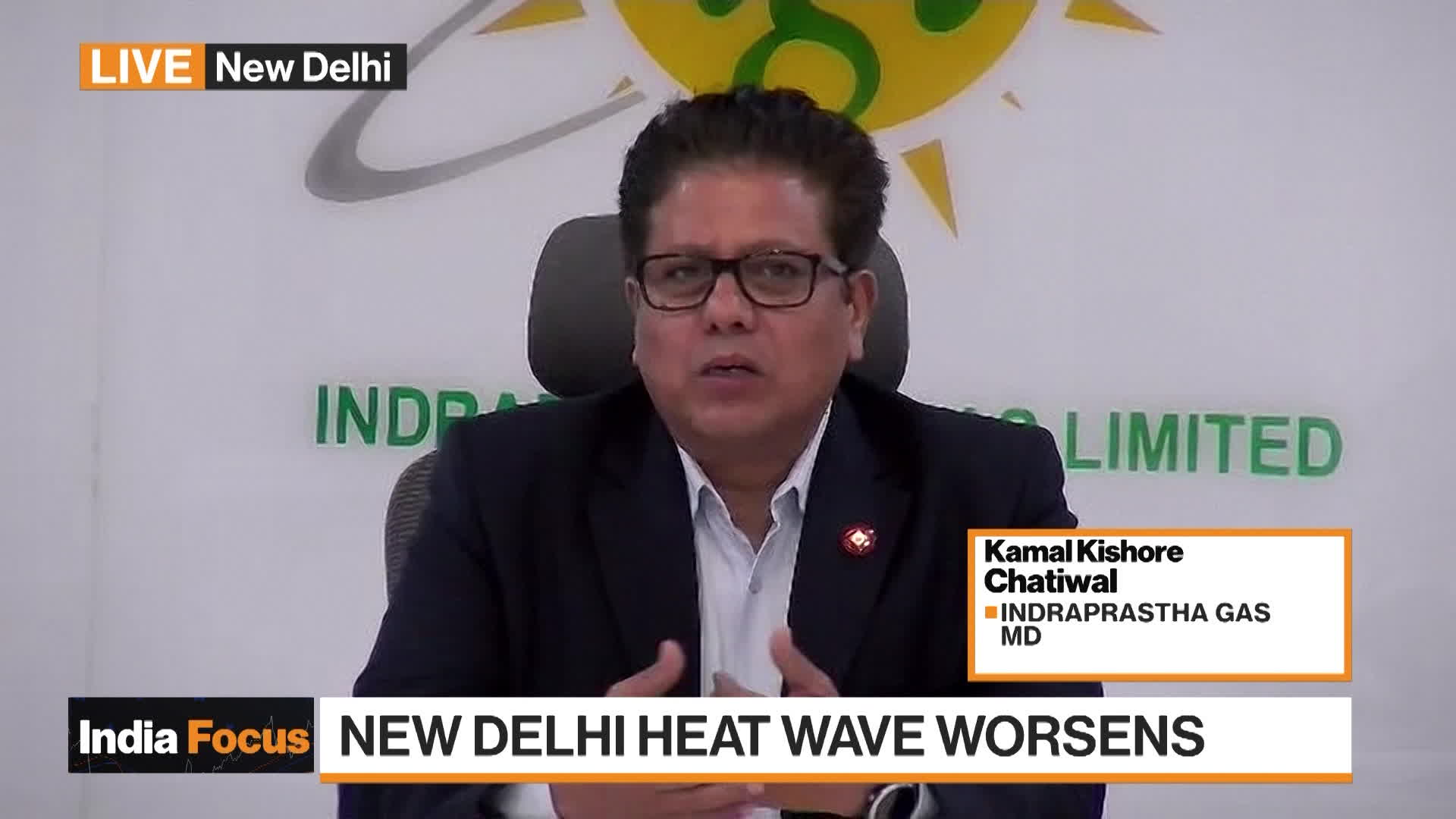
“More and more gas-based generation capacities are coming on stream,” Kamal Kishore Chatiwal, managing director of Indraprastha Gas Ltd., told Bloomberg Television in an interview on Thursday. Some plants, which were not competitive earlier, have become active again, said the official, whose company is the sole distributor of gas for homes, industries and automobiles in the city.
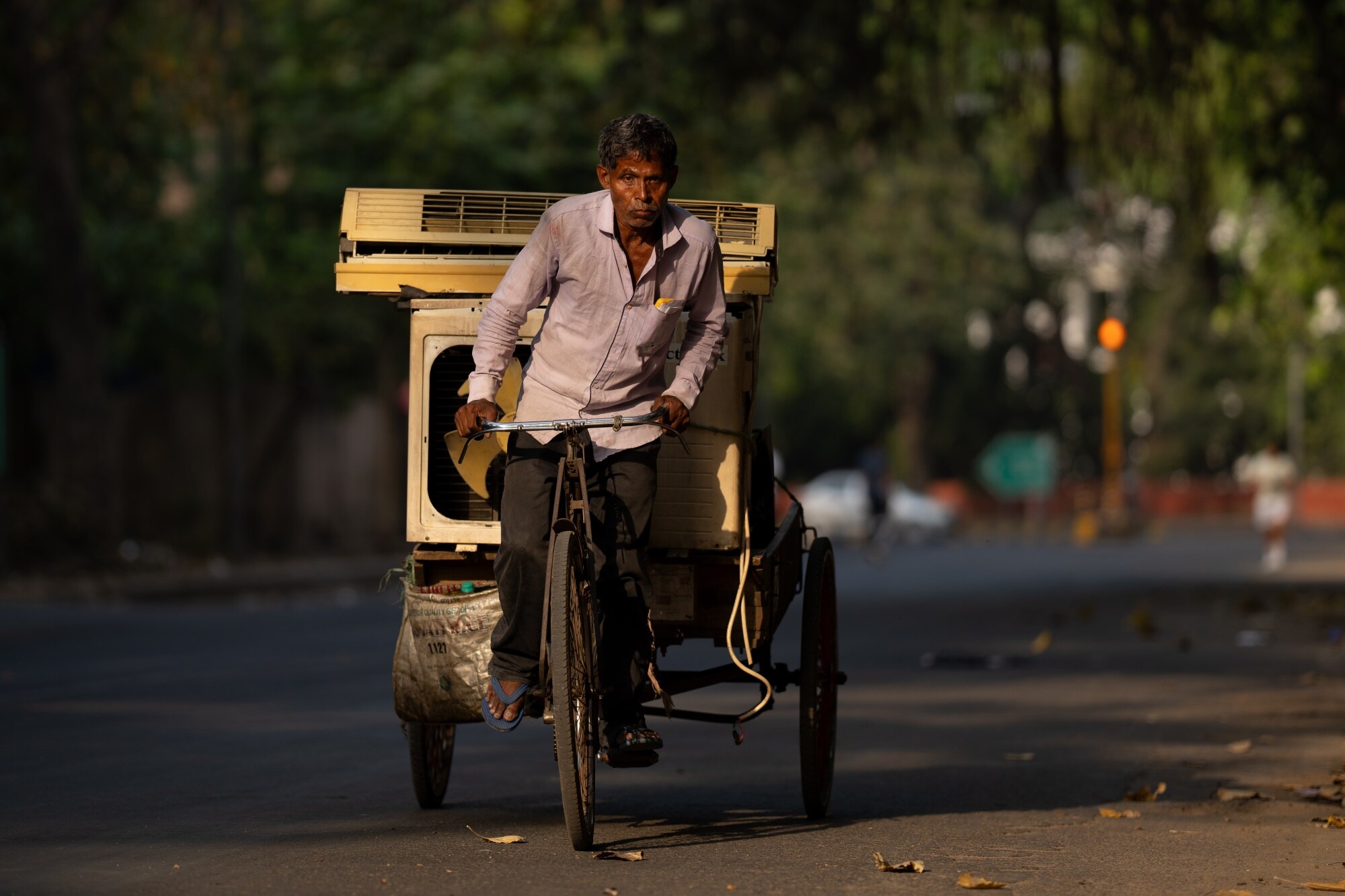
A jump in the mercury to near-record levels across northern and western parts of the country has forced homes and businesses to crank up air-conditioners and other cooling appliances, pushing the nation's peak electricity demand to an all-time high. While expanding solar capacity helps meet the day-time surge, the planet's most-populous nation is relying on other power sources, including gas, wind and hydropower, to bridge any shortfalls during evenings.
India invoked an emergency provision to spur output at gas-fired power stations that had previously been idling as power produced by them is too expensive for the country's price-competitive electricity market. However, several regions are witnessing intermittent power outages, as cash-strapped provincial utilities choose load shedding to buying expensive power produced from imported gas.
Though the current extreme dry weather has temporarily resulted in a spike in demand for gas in the country, IGL is facing a dent in growth for the fuel in Delhi, which is converting its gas-fired buses to electric vehicles.
“We have seen a reduction of 45%-50% in compressed natural gas consumption by the Delhi Transport Corp. which was one of our biggest customers,” Chatiwal said.
The state government in Delhi has set a target to expand its fleet to 10,000 buses by 2025, 80% of which will be electric. The share of government-owned buses in Indraprastha's gas sales in the city has fallen, and will eventually become zero in two years, he said.
IGL, which counts state-owned refiner Bharat Petroleum Corp Ltd, gas pipeline utility Gail India Ltd and the regional government of Delhi as its shareholders, was founded in 1998 after the Supreme Court of India ruled that all public transport in the capital would move away from diesel to gas, in a bid to improve air quality. Still, Delhi remains among the world's most-polluted cities, compelling the government to scale up EV adoption.
--With assistance from Haslinda Amin, Anand Menon and Lou Del Bello.
More stories like this are available on bloomberg.com
©2024 Bloomberg L.P.
Essential Business Intelligence, Continuous LIVE TV, Sharp Market Insights, Practical Personal Finance Advice and Latest Stories — On NDTV Profit.