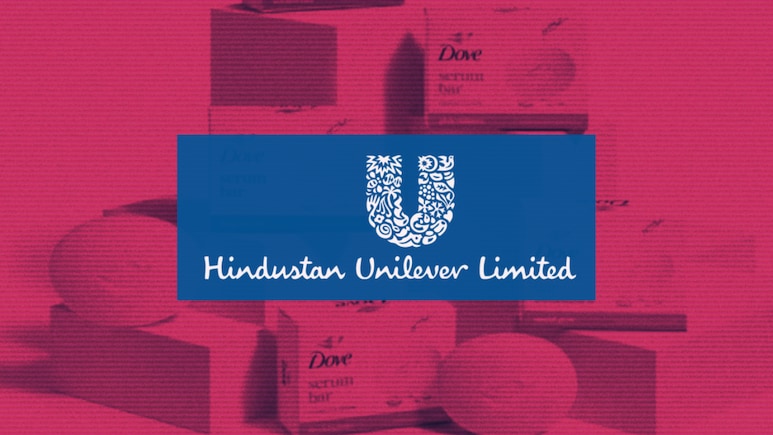
Hindustan Unilever Ltd (HUL) has raised prices across its soap portfolio, passing on mounting raw material and packaging cost pressures to consumers, people aware of the development said. Prices of key brands such as Liril, Pears and Dove have been increased by Rs 2–3 per 100 grams, translating into hikes of 3–5% across variants. Liril's 100 g bar now costs Rs 41, up 5.13%, while Pears has been raised 4% to Rs 52. Dove Serum (white) has seen a 3.45% increase to Rs 60, while Dove Pink has recorded the steepest hike of 4.48%, taking the price to Rs 70 per 100 g.
The move comes amid a sharp rise in input costs, particularly palm fatty acid distillate (PFAD), a key soap-making raw material. PFAD prices have surged in recent months due to supply tightness and higher palm oil volatility. At the same time, chemical input costs have climbed following geopolitical tensions in the Middle East, disrupting supply chains and pushing up freight and energy expenses.
Also Read | Layoffs Are Rising In Tech, But These Skills Are Helping People Unlock Better Pay
Packaging costs have added to the pressure, with prices for paper, plastics and laminates jumping between 15% and 50%, according to industry estimates. HUL has passed on the cost increases to customers, and the price hikes are aimed at protecting margins amid geopolitical volatility.
HUL responsed that “Given current commodity inflation in crude, palm oil and plastics, we are taking selective price increases across our portfolio. While making any price changes, we always ensure that we maintain a consumer price-value equation.”
ALSO READ: Here's Why HUL Raised Surf Excel, Wheel Prices
Soaps are a critical profit driver for HUL, accounting for nearly 90% of its personal care segment, which delivers EBIT margins of 17–18%. The soap category alone contributes about 15–18% to the company's overall revenue.
Shares of consumer, power and capital goods companies are likely to remain in focus after the India Meteorological Department (IMD) forecast a below-normal monsoon for 2026, while also warning of an intense summer marked by heatwaves and rising temperatures. While summer-driven categories may perform well, a weak monsoon could hurt rural demand, which forms a significant portion of revenues for many firms. Hindustan Unilever (HUL), along with peers such as Colgate, Marico and Britannia, could face demand headwinds, as rural consumption tends to slow in years of deficient rainfall.
ALSO READ: North Buys Bulk, South Buys New: Inside India's FMCG Divide
Essential Business Intelligence, Sharp Market Insights, Practical Personal Finance Advice, Daily Fuel, Gold and Silver Prices and Latest Stories — On NDTV Profit.