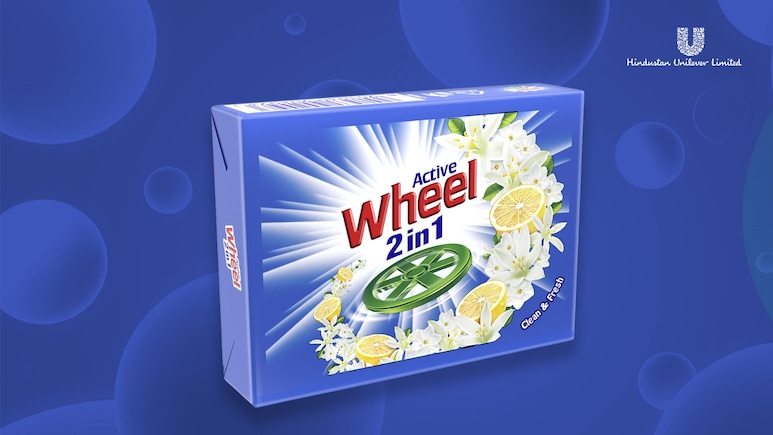
The increase in prices for detergents brands Surf excel and Wheel by Hindustan Unilever Ltd was a margin-led pricing decision as detergent was not included in the goods-and-services-tax cuts.
Analysts tracking the sector say the move to raise prices reflects a combination of GST-related asymmetries across categories, stable input costs and easing competitive pressure that could have led to increasing prices in the detergent category. It can also signal the start of detergent price increases after several months of stability, as per an Investec report on FMCG products.
In January 2026, HUL raised prices of key detergent brands Surf Excel and Wheel by Rs 3 per kg each. Surf Excel increased by 2%, now costs about Rs 155 per kg, up from Rs 152 earlier, while Wheel price has moved up to 4%, which is Rs 76 per kg from Rs 73.
Also Read | Layoffs Are Rising In Tech, But These Skills Are Helping People Unlock Better Pay
According to analysts, detergents stand out as one of the few large FMCG categories that did not benefit from recent GST rate rationalisation. This has given companies room to push through selective price increases without materially disrupting demand.
Input prices, including key raw materials used in detergents like crude oil and palm oil, have remained largely stable in recent months, further supporting margin-led pricing decisions. Analysts also point out that competitive intensity in the mass detergent segment has reduced compared with the peak price wars seen over the past two years, allowing market leaders to recalibrate pricing.
Detergents are a critical profit driver for HUL. The segment accounts for roughly over 25% of the company's overall revenue, translating into about Rs 16,000 crore in annual sales. The Ebitda margin in detergents was over 19% in FY25, making it one of the more profitable categories within the company's portfolio. Given this scale, even modest price increases can have a meaningful impact on profitability, say experts.
What is noteworthy, however, is that the detergent price hike comes against a backdrop of largely mixed and calibrated pricing actions across HUL's wider product basket. Over the past month, as per latest Investec report on FMCG products, most FMCG companies have shifted away from blunt price hikes towards fine-tuning through grammage adjustments and selective price cuts, reflecting a more stable cost environment and cautious consumer sentiment, as per Investec report.
In the foods and beverages segment, HUL cut prices of Horlicks Chocolate Drink by about 7%. Analysts view such moves as part of broader calibration in categories that remain competitive and price-sensitive.
In home and personal care, soaps and body wash have also seen price reductions. HUL reduced prices of Lux Rose & Vitamin E soap by around 7%, while Reckitt cut prices of Dettol Original soap by roughly 8%. These cuts underline the continued intensity in the personal wash segment, where multiple national and regional players compete aggressively on price and promotions.
Hair care has witnessed sharper adjustments. HUL slashed prices of Clinic Plus Strong & Long shampoo by as much as 13%. Industry watchers say this reflects both heightened competition and the growing popularity of smaller packs and sachets, which are highly price-sensitive. By lowering headline prices, companies aim to protect volumes while defending shelf space.
In contrast, not all categories have moved in the same direction. In creams and moisturisers, HUL raised prices of Dove body care lotion sharply by about 31%. Analysts attribute this to premiumisation and brand-led pricing power, as well as higher costs associated with specialised formulations and packaging. Unlike mass categories, premium personal care products tend to be less sensitive to modest demand shocks, allowing companies to pass on increases more decisively.
NDTV Profit reached out to the company for comments but didn't receive responses till the filing time.
For HUL, the detergent price increase underscores its confidence in the category's demand resilience and its own market leadership, experts say.
At the same time, price cuts in soaps, shampoos and beverages signal a pragmatic approach to protecting volumes in a still price-conscious consumer environment. As input costs remain stable and competition evolves, analysts expect more such targeted pricing actions, rather than a return to across-the-board inflationary hikes.
ALSO READ: Hindustan Unilever Q3 Results: HUL Board Meeting Date, Earnings Call Details And Share Price History
Essential Business Intelligence, Sharp Market Insights, Practical Personal Finance Advice, Daily Fuel, Gold and Silver Prices and Latest Stories — On NDTV Profit.