- Healthcare faces a capacity gap amid rising demand, says Amit Varma of Quadria Capital
- Organised hospital chains remain a small part of the market despite investment growth
- Mid-sized multi-specialty hospitals may struggle as consolidation and scale become vital
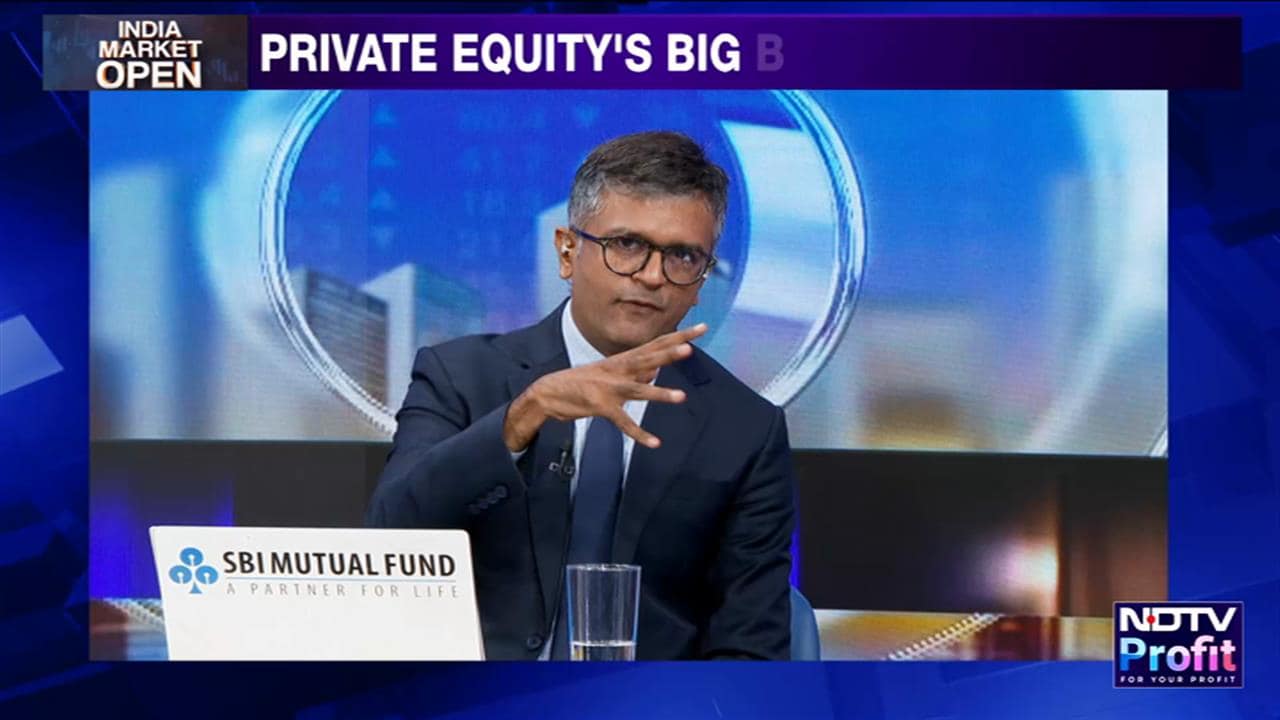
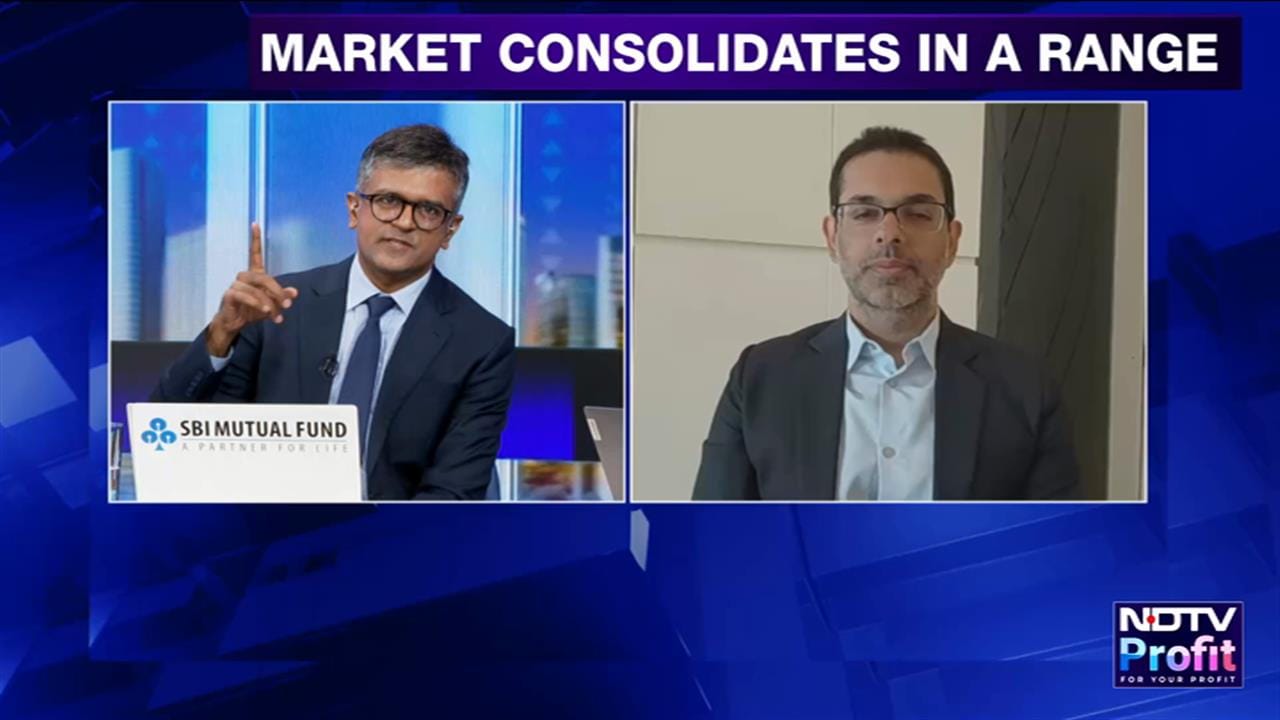
That mismatch between rising healthcare demand and the industry's ability to add capacity remains one of the biggest challenges facing the sector, according to Quadria Capital co-founder and managing partner Amit Varma. While investor interest in healthcare remains strong, Varma believes the long-term opportunity will ultimately be shaped by how quickly providers can build infrastructure, adopt technology and expand their talent base to meet growing patient needs.
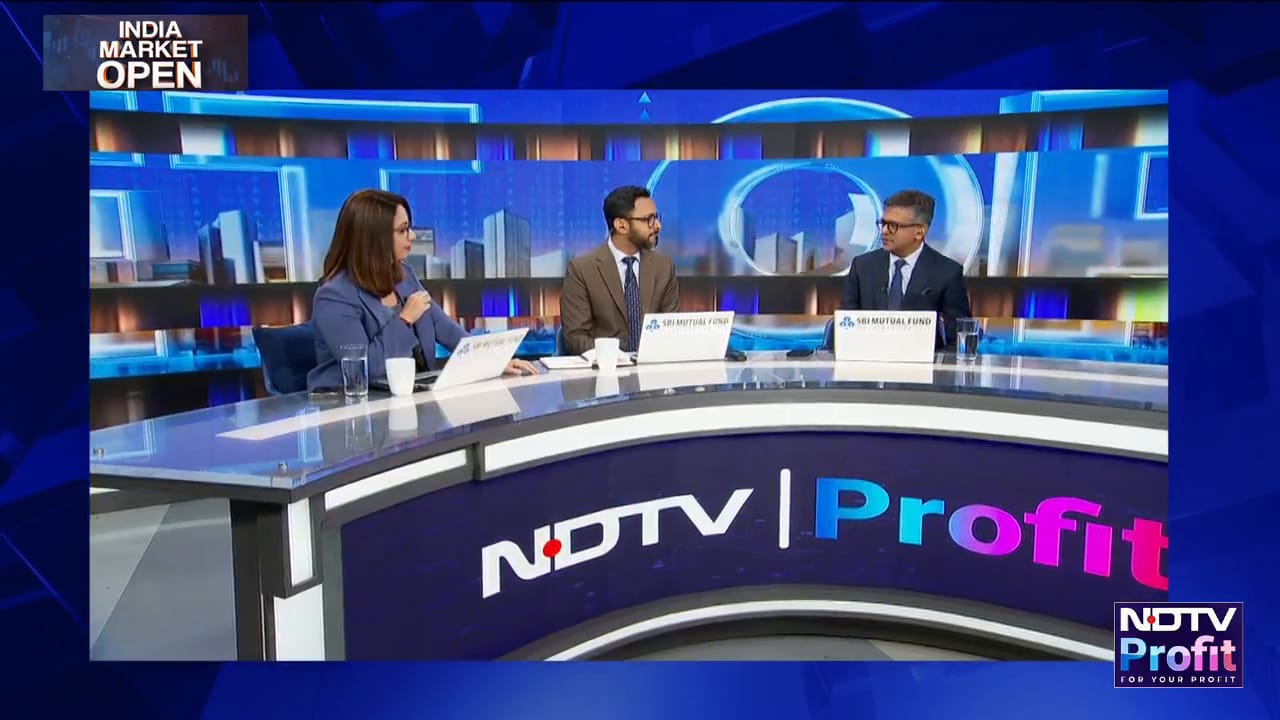
Speaking to NDTV Profit, Varma said his bullish view on healthcare has remained unchanged since the pandemic. The fundamental investment case, he argued, continues to be driven by a severe shortage of healthcare infrastructure relative to demand, a gap he does not expect India to bridge anytime soon.
Also Read | Layoffs Are Rising In Tech, But These Skills Are Helping People Unlock Better Pay
Despite growing investment activity across hospitals, diagnostics and other healthcare segments, Varma noted that organised hospital chains still account for only a small portion of the overall market, underscoring the size of the opportunity that remains.
However, not all healthcare providers are equally positioned to benefit from the sector's expansion. Varma said mid-sized multi-specialty hospitals, particularly those with 25-50 beds, could face challenges as consolidation gathers pace. According to him, scale is becoming increasingly important as operators seek to improve capital efficiency and control operating costs.
Within hospitals, Quadria Capital continues to favour single-specialty platforms over multi-specialty models. Varma said focused healthcare providers benefit from higher procedure volumes, greater standardisation and stronger procurement efficiencies. “The EBITDA margins of single specialty are at least 10 percentage points higher than a multi specialty,” he said, arguing that specialization allows hospitals to improve both costs and clinical outcomes.
A major driver of healthcare demand over the coming decades will be chronic disease, Varma said. He estimated that 55-60% of diseases today are chronic in nature and warned that India is facing a growing burden of diabetes, hypertension and other metabolic disorders. Describing the trend as a “tsunami of metabolic disorders,” he said the healthcare system will need to significantly expand its capacity to address the challenge over the next two to three decades.
The nature of healthcare delivery is also likely to evolve. Varma expects hospitals to become smaller and more specialised, while a greater share of treatments moves to day-care settings and facilities located closer to patients. Preventive care, diagnostics and routine treatment are increasingly expected to shift away from large tertiary-care centres and toward community-based healthcare models.
On concerns around regulatory intervention in hospital pricing, Varma argued that affordability should largely be determined by market forces, insurers and public healthcare schemes rather than direct government price controls. At the same time, he said the industry must do a better job of self-regulation and address instances of excessive pricing that often draw public scrutiny.
Looking ahead, Varma sees hospitals and diagnostics as the most attractive healthcare opportunities over the next five years. Over a longer horizon, he is optimistic on contract development and manufacturing organisations (CDMOs) and contract research, development and manufacturing organisations (CRDMOs), while biologics and biosimilars could emerge as major growth areas over the next decade as more drugs lose patent protection and Indian pharmaceutical companies move further up the value chain.
Essential Business Intelligence, Sharp Market Insights, Practical Personal Finance Advice, Daily Fuel, Gold and Silver Prices and Latest Stories — On NDTV Profit.