Brazil Judge Orders Google to Testify Over Fake News Bill
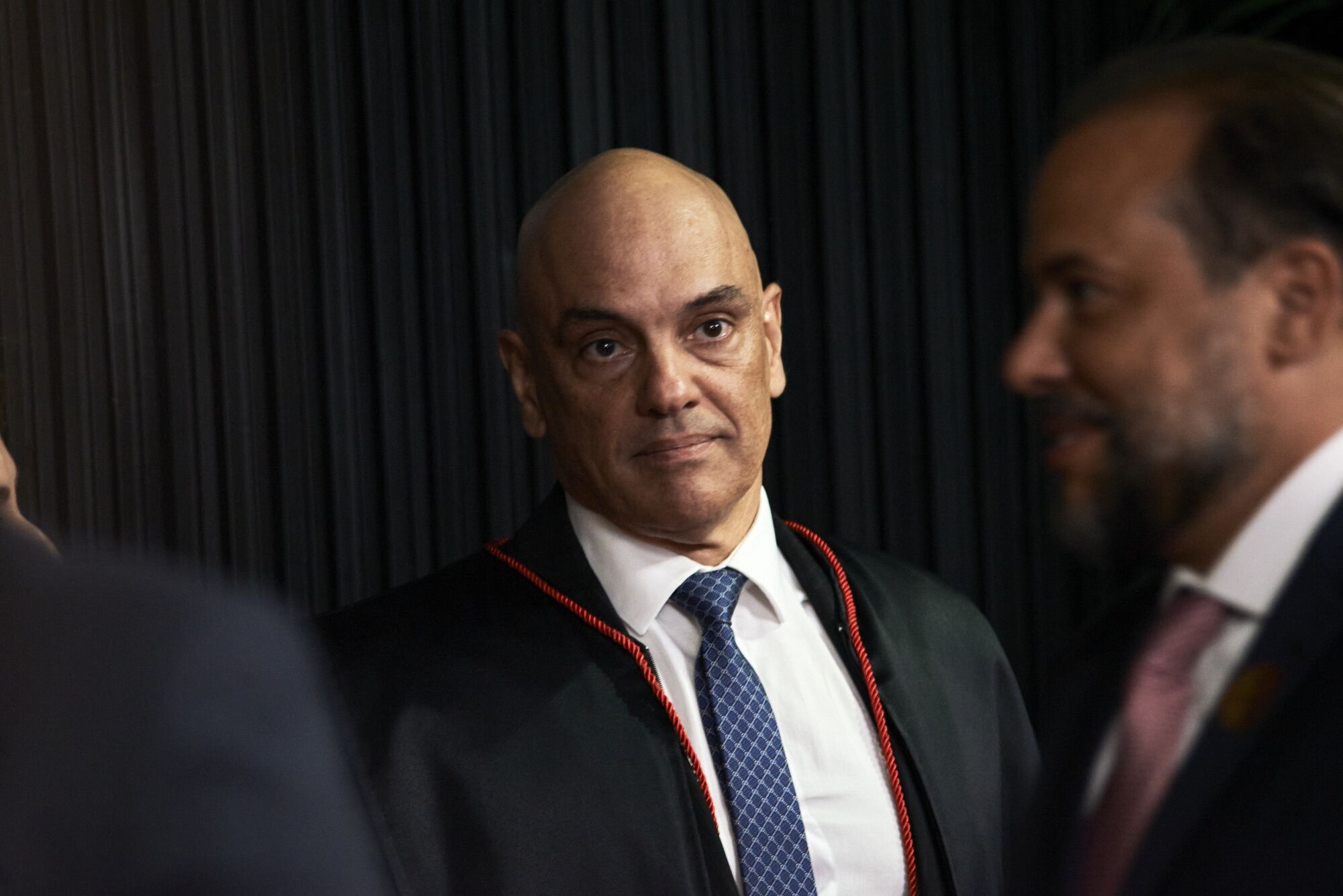
(Bloomberg) -- A Brazilian Supreme Court judge on Tuesday ordered top executives from Google, Meta and Spotify to appear before the country's federal police to testify about a public campaign against pending legislation that takes aim at so-called fake news.
Google on Monday ramped up its efforts to stop the bill, which seeks to clamp down on the spread of online disinformation and hate speech and was on the cusp of a potential Tuesday evening vote in Brazil's lower house of congress. The company posted a message to its landing page warning Brazilian users that the legislation “could make your internet worse.”
The text linked to a company statement that outlined its opposition to the legislation, which has slowly wound its way through congress over the last three years. The bill would slap steep penalties on popular platforms that fail to moderate illegal content, as well as fees for using material from journalistic outlets. Companies say the effort poses serious risks to free speech and internet access and have tried to rally lawmakers and regular Brazilians against its passage.

Justice Alexandre de Moraes ordered Google to stop the campaign and directed executives from the three companies to provide testimony within the next five days. The order covers Spotify and Meta, he said, because Google also campaigned against the legislation on those platforms.
Google said in a statement that it believes “the bill and its impacts need to be debated in a broader way by Brazilian society.”
Spotify said in a statement that while it does not run political ads in Brazil, a “third-party advertisement mistakenly ran and was then taken down after the error was detected.” A representative for Meta declined to comment.
Democracies across the world have struggled against a flood of online attacks and vitriol, but authorities in Brazil have taken drastic steps in recent years in the name of protecting the integrity of the country's institutions.
Read more: Brazil Court Orders Ban on Telegram Over Neo-Nazi Content
Moraes, who issued Tuesday's decision, is leading a wide-reaching investigation the spread of fake news. In the lead up to last year's presidential election, the probe ensnared former president Jair Bolsonaro — and many of the far-right leaders' allies — for sharing debunked claims about vote stealing and side effects of Covid-19 vaccines.
Since taking power on Jan. 1, the administration of President Luiz Inacio Lula da Silva has sought tighter rules on tech companies if they fail to rein in illegal content.
(Recasts lead, adds company responses and background throughout.)
More stories like this are available on bloomberg.com
©2023 Bloomberg L.P.

-
Ten Things I Learnt This Samvat

Patience can be a trap. Cheap stocks can stay cheap. Leverage can wipe you out. What did Samvat 2082 teach us? Niraj Shah writes on 10 lessons from the year gone by.
-
Talking Points This Week: Tech Nerves, FII Buying, And A Faraway Banking Shock
The global markets are not shining this Diwali. The exception in the large markets is, India.
-
Midterm Rally Lasted A Day. The Hard Reality Of A Divided US May Last Two Years | Opinion
Between a contested AI boom, a debt ceiling that arrives in 2027 and a president with every incentive to act alone, the next two years may prove more volatile than the first day's rally suggests.
-
Blue Wave Will Derail the AI Trade but Won't Dismantle the AI Era | Unhedged Position
The Democrats' sweep of the US Congress will see politics collide with economic forces both over the long and short term.
-
It's Time To Take The GST Council's Bet On Trust Global
Payment records can prove India's services exports, and clear, proportionate rules can bring foreign digital sellers into the tax net.
-
Opinion | India at 38: From Innovation Overperformer to Innovation Powerhouse
India now has 453 VC-backed deep science startups, 18 of them late-stage, after 117 percent growth since 2020. Laurus Labs, at USD 9.3 billion, is the most valuable deep science company in any middle-income economy outside China.
-
Navigating Energy Crossroads: S Jaishankar's Call For Diversified Supply Chains At G20 Ministerial Meeting
As geopolitical fault lines continue to test maritime trade routes and commodity flows, Jaishankar's message remains pertinent: true economic resilience requires open markets, protected transit lines, and a genuine commitment to multilateral cooperation rather than coercion.
-
Indians Are Travelling, But Not Every Journey Is A Holiday | The Week In Whys
Pilgrims, patients and working women are the real travellers, and the system hasn't quite caught up with them.
-
Getting To Work Costs Women More | The Reason Why
It is not just about women paying more than men. It is about women paying much more in cities than in villages.









