- The Bombay High Court quashed a Rs.329 crore tax claim against Grasim Industries Ltd
- The tax department's reassessment was time-barred due to delayed disclosure of transaction details
- Section 56(2)(x) did not apply as Grasim's shareholding remained unchanged after the rights issue
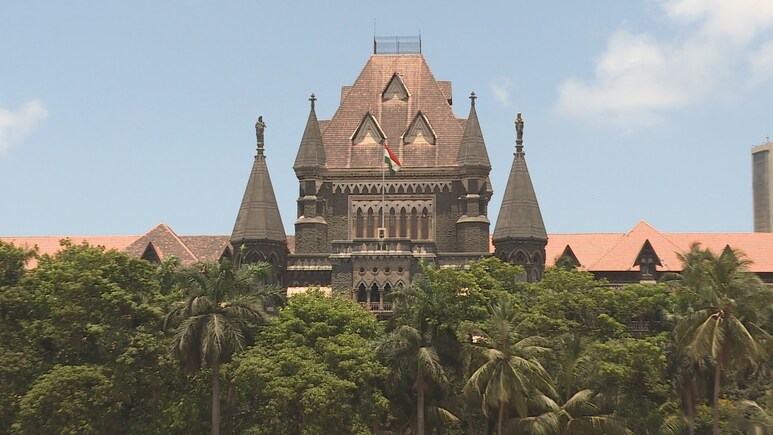
The Bombay High Court on Thursday quashed a Rs.329 crore income tax claim against Grasim Industries Ltd. over its subscription to Vodafone Idea Ltd. rights shares, ruling that the tax department could not treat the difference between the issue price and fair market value as taxable income merely because the shares were allotted below market price.
A division bench of Justices B. P. Colabawalla and Farhan P. Dubash set aside the reassessment proceedings on two grounds: the department failed to provide the information underpinning its allegation within the statutory limitation period, and Section 56(2)(x) of the Income Tax Act did not apply to the proportionate rights allotment on the facts of the case.
The ruling provides important guidance for listed companies, promoters and holding companies participating in rights issues, particularly where shares are offered at a discount to their prevailing market price.
Also Read | Layoffs Are Rising In Tech, But These Skills Are Helping People Unlock Better Pay
Grasim had subscribed to 230.9 crore Vodafone Idea shares at Rs. 12.50 apiece in FY20. The tax department valued the shares at Rs. 13.925 each on the allotment date and treated the Rs. 1.425 difference per share, aggregating Rs. 329.04 crore, as a benefit taxable under Section 56(2)(x).
The court first held that the reassessment was time-barred. The department issued a show-cause notice on March 24, 2026, but disclosed the transaction details, valuation calculation and statutory basis for the proposed tax only on May 27. The limitation period had expired on March 31.
"The amount of Rs. 329,03,62,124/- stated in the impugned notice is the result of a computation; it does not, by itself, disclose the information on which that computation rests," the bench said.
It added that supplying the missing information after the deadline could not retrospectively validate the notice. The ruling underscores that tax authorities must provide the substantive basis for reopening an assessment within the prescribed period, rather than rely on a timely notice containing an inadequately explained allegation.
On the taxability question, the court distinguished the allotment of newly created shares from the acquisition of existing shares transferred by another person. Vodafone Idea's rights issue was offered proportionately to existing shareholders, and Grasim's percentage holding remained unchanged after the allotment.
"Therefore, the difference between the subscription price and the market price cannot, without examining the nature and effect of the rights issue, be regarded as income arising from the receipt of property for inadequate consideration," the judges said.
The bench also referred to Section 55(2)(aa), which prescribes the cost of acquisition of rights shares as the amount actually paid, while clarifying that the provision does not itself create an exemption from Section 56(2)(x). Instead, the provisions must be read harmoniously, with due regard to the legal character of the transaction.
The court said the department had identified neither an acquisition of pre-existing shares from another person nor any disproportionate benefit to Grasim. It confined its conclusion to the facts before it, rather than granting a blanket exemption for all rights issues.
Essential Business Intelligence, Sharp Market Insights, Practical Personal Finance Advice, Daily Fuel, Gold and Silver Prices and Latest Stories — On NDTV Profit.