Bajaj Finance Shares Fall As Macquarie Initiates Coverage With ‘Underperform’
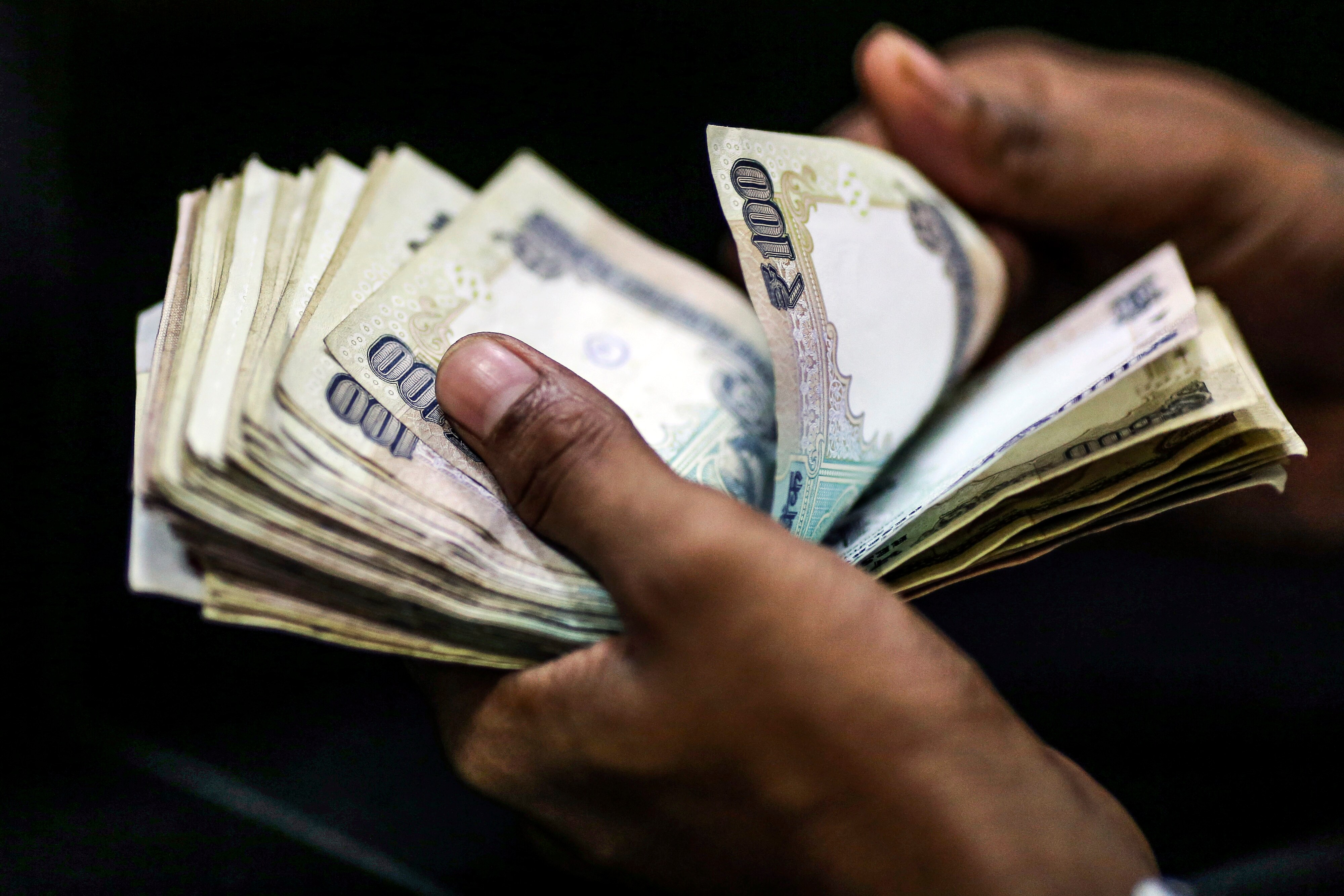
Shares of Bajaj Finance Ltd. fell after Macquarie initiated coverage on the non-bank lender with its lowest rating citing weak franchise strength in online consumer financing and tapering loan growth.
Bajaj Finance is a “dominant lender in the offline space, but customers are moving online, which is far more crowded and competitive”, the financial services provider said in a July 6 report co-authored by analysts Param Subramanian and Suresh Ganapathy. “Bajaj has weaker franchise strength in online consumer financing, which we view as a megatrend.”
Though the company is trying to address this by launching its own digital app ecosystem, the transition will be “difficult as it requires a reset from a business-to-business financier to a business-to-consumer company”, the report titled ‘Past Its Prime' said. “Both e-commerce and payments businesses are duopolies in India with well-entrenched and deep-pocketed players, with open architecture checkout financing solutions. These players also score strongly over indigenous super-apps on front-end tech and user experience.”
Macquarie said super-app forays have “rarely” worked in India, and that Bajaj's digital foray is viewed more as “hygiene”, rather than a major customer acquisition or cross-sell engine and is yet to reflect in any discernible increase in these metrics.
The research house rated Bajaj Finance ‘underperform', with a target price of Rs 4,500 apiece—implying a potential downside of 20.1% from the current levels.
That's contrary to 18 of the 30 analysts tracking the company reiterating a ‘buy'. While seven analysts suggest a ‘hold', five recommend a ‘sell', according to Bloomberg data. The average of the 12-month consensus price target implies an upside of more than 33%.
According to Macquarie, Bajaj Finance's “sheer size brings its own set of challenges and risks”.
“Bajaj has a very high penetration (around 50%) in India's 12-crore top retail customer base. It has limited runway to grow upwards in the pyramid as we view credit cards as a superior product, and so has to grow down.” Because of that, “sustaining a strong customer acquisition momentum with a high credit threshold cut-off will be difficult”.
Also, the Reserve Bank of India's regulations to bring NBFC norms on asset quality recognition and capital requirements to risk management requirements on a par with banks may impact the company. “Bajaj Finance may need to convert to a bank to sustain growth, which could bring a significant drag on its profitability.”
Conversion to a bank, it said, comes with its costs, primarily cash reserve ratio and statutory liquidity ratio requirements, as well as the minimum lending requirements towards the priority sector. According to Macquarie's calculations, Bajaj Finance would need to raise Rs 86,200 crore to finance those minimum requirements.
“This could see a return-on-assets impact of about 90 basis points on conversion to a bank. This is a significant impact on Bajaj's profitability, and not factored into its current valuations,” the report said.
Key upside risks:
Any improvement in the loan growth profile for Bajaj arising out of improvement in cross-sell and customer acquisition rates.
Shares of Bajaj Finance fell 1% at close on Thursday.

-
A New Samvat Wishlist: Inclusive Prosperity And Human Development

India has strengthened its economic foundations through infrastructure, digital access and enterprise. Its next growth chapter must deepen productivity, create better livelihoods and widen participation in prosperity.
-
Love, Sex Aur Dhokha: The Audacious Plot To Spy On Jensen Huang
A Taipei dinner, a Singapore chip buyer and a suspected Chinese asset: inside the alleged spy operation that got close to NVIDIA's Jensen Huang.
-
Ten Things I Learnt This Samvat
Patience can be a trap. Cheap stocks can stay cheap. Leverage can wipe you out. What did Samvat 2082 teach us? Niraj Shah writes on 10 lessons from the year gone by.
-
Talking Points This Week: Tech Nerves, FII Buying, And A Faraway Banking Shock
The global markets are not shining this Diwali. The exception in the large markets is, India.
-
Midterm Rally Lasted A Day. The Hard Reality Of A Divided US May Last Two Years | Opinion
Between a contested AI boom, a debt ceiling that arrives in 2027 and a president with every incentive to act alone, the next two years may prove more volatile than the first day's rally suggests.
-
Blue Wave Will Derail the AI Trade but Won't Dismantle the AI Era | Unhedged Position
The Democrats' sweep of the US Congress will see politics collide with economic forces both over the long and short term.
-
It's Time To Take The GST Council's Bet On Trust Global
Payment records can prove India's services exports, and clear, proportionate rules can bring foreign digital sellers into the tax net.
-
Opinion | India at 38: From Innovation Overperformer to Innovation Powerhouse
India now has 453 VC-backed deep science startups, 18 of them late-stage, after 117 percent growth since 2020. Laurus Labs, at USD 9.3 billion, is the most valuable deep science company in any middle-income economy outside China.
-
Navigating Energy Crossroads: S Jaishankar's Call For Diversified Supply Chains At G20 Ministerial Meeting
As geopolitical fault lines continue to test maritime trade routes and commodity flows, Jaishankar's message remains pertinent: true economic resilience requires open markets, protected transit lines, and a genuine commitment to multilateral cooperation rather than coercion.









