- Goldman Sachs cut South Korea's Kospi 12-month target by 25% to 9,000 from 12,000
- The new target implies over 60% upside despite a 35% decline since June's peak
- Kospi's drop reflects investor concerns on AI spending and semiconductor valuations
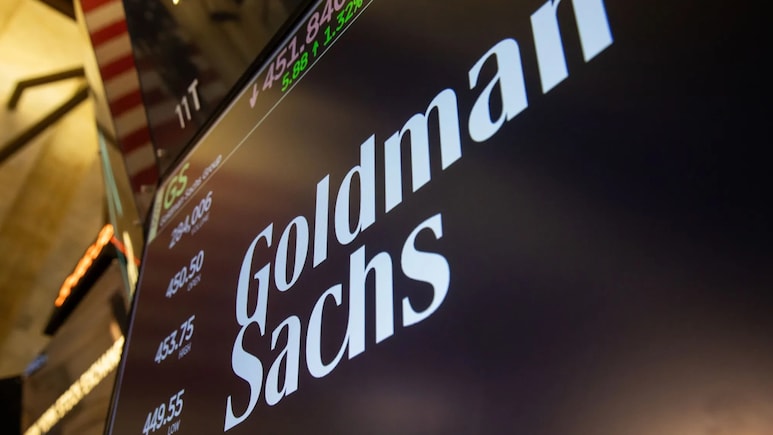
Goldman Sachs has cut its 12-month target for South Korea's Kospi index by 25%, scaling back its bullish outlook as investor concerns over artificial intelligence spending and semiconductor valuations deepen.
According to Bloomberg, the investment bank lowered its target to 9,000 from 12,000, even as it maintained that the market offers significant upside after a sharp selloff.
The revision follows a decline of more than 35% in the benchmark from its June peak. Goldman's strategists, including Timothy Moe, said the new target reflects more conservative assumptions about how investors may value corporate fundamentals. Despite the reduction, the target implies potential upside of more than 60% from current levels.
Also Read | Layoffs Are Rising In Tech, But These Skills Are Helping People Unlock Better Pay
The Kospi has become a key gauge of global AI sentiment, driven by semiconductor heavyweights Samsung Electronics and SK Hynix.
However, enthusiasm around the technology has weakened as investors question whether massive investments in AI infrastructure will generate sufficient returns, particularly amid rising financing costs.
Goldman had raised its Kospi target in June and retained the 12,000 forecast despite the market's subsequent decline. The latest cut signals a reassessment of valuations rather than an outright retreat from the Korean market.
In a note dated October 25, the strategists said investors were pricing in an excessively negative outlook for corporate fundamentals. They believe the recent correction has created an attractive risk-reward opportunity.
Also Read | Safest FMCG Bets Before Q2 Results: Goldman Sachs Picks Marico, Tata Consumer
Valuations Hit Multi-Decade Lows
South Korean equities have moved from among the year's strongest-performing markets to some of the cheapest globally. The Kospi's 12-month forward price-to-earnings ratio has fallen to around four times, a level last seen in 2006, according to data compiled by Bloomberg.
Goldman estimates that current semiconductor valuations imply a 65% decline in the sector's 2027 earnings. The bank considers that outlook excessively pessimistic. Stocks outside the memory segment, which account for roughly half the index, trade at 7.6 times forward earnings.
Where Goldman Sees Opportunities
Despite lowering its headline target, Goldman continues to favour selected Korean stocks. Its preferred areas include power, industrials, corporate governance-related plays and businesses positioned to benefit from domestic reflation and the global popularity of Korean culture.
The central question for investors is whether the selloff reflects a lasting deterioration in AI-related earnings prospects or an overly pessimistic repricing. Goldman's revised target suggests it sees room for recovery, but expects markets to apply more conservative valuations in the near term.
Also Read | Tata Power Faces 13.5% Downside As Goldman Sachs Sticks To 'Sell' Despite Target Hike; Here's Why
Essential Business Intelligence, Sharp Market Insights, Practical Personal Finance Advice, Daily Fuel, Gold and Silver Prices and Latest Stories — On NDTV Profit.