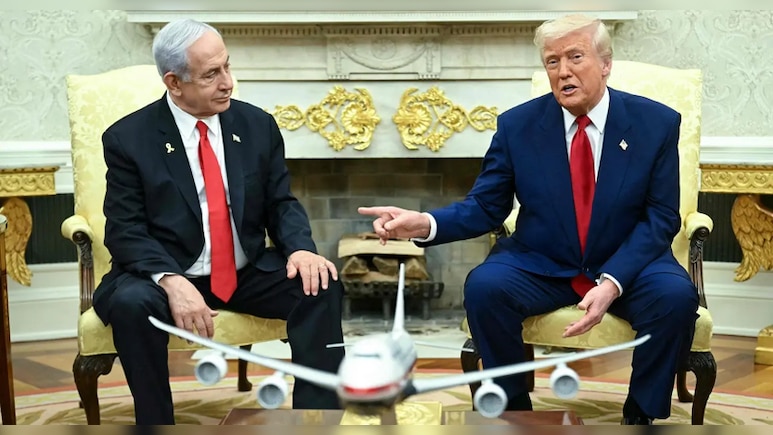
Israeli Prime Minister Benjamin Netanyahu has reportedly told US President Donald Trump that Israel will not withdraw its forces from Lebanon and does not accept the Lebanon-related provisions in the emerging US-Iran peace agreement, according to Israeli media reports.
The discussion took place during a phone call in which Trump briefed Netanyahu on the nearing agreement between Washington and Tehran, aimed at ending wider regional hostilities and stabilising the Middle East. However, Netanyahu is said to have firmly rejected clauses requiring a halt to Israeli military operations in Lebanon or a withdrawal of forces.
ALSO READ: World Leaders React As US-Iran Finally Reach Peace Deal After 100 Days Of War
Also Read | Layoffs Are Rising In Tech, But These Skills Are Helping People Unlock Better Pay
He reportedly stated, “Israel does not consider itself bound by the agreement's Lebanon-related terms and insisted that the Israel Defence Forces (IDF) will remain in their current positions in southern Lebanon. He added that Israeli operations against Hezbollah will continue, including targeting militant infrastructure and responding to any threats along Israel's northern border.”
The ongoing Israeli military offensive in Lebanon, which intensified on March 2, has killed more than 3,700 people and injured 11,600 others, according to Lebanese officials. The high-intensity aerial bombardment and ground operations have also triggered a massive humanitarian crisis, forcing the displacement of over 1.5 million people across the country.
Israel plans to reduce airstrikes deep inside Lebanon to avoid jeopardising the US–Iran agreement, according to sources.
The Israeli stance underscores a key point of disagreement within the US-brokered framework, as Lebanon remains a sensitive conflict zone amid ongoing clashes between Israeli forces and Hezbollah. Israel argues that its continued military presence is essential for national security and border defence.
Israel has rejected Lebanon withdrawal terms in the US-Iran peace deal, insisting its forces will stay in southern Lebanon and continue operations against Hezbollah. The dispute highlights rising tensions between Israel and the US-led framework.
Joint US-Israeli strikes on Iran on 28 February triggered a wider Middle East conflict. Hezbollah, Lebanon's Tehran-backed militant group, immediately entered the war following the assassination of Iranian Supreme Leader Ali Khamenei on the first day of the operation.
Essential Business Intelligence, Sharp Market Insights, Practical Personal Finance Advice, Daily Fuel, Gold and Silver Prices and Latest Stories — On NDTV Profit.