Iran delivered a sweeping counteroffer to Washington's peace proposal on Sunday — demanding war reparations, sovereignty over the Strait of Hormuz, and a conditional approach to its nuclear stockpile among more such demands.
Meanwhile, US President Donald Trump wasted little time in shooting it down — declaring it "TOTALLY UNACCEPTABLE" in a post on Truth Social.
Also Read | Layoffs Are Rising In Tech, But These Skills Are Helping People Unlock Better Pay
The development came as the two sides remain far apart on the central questions of nuclear disarmament and control of the Strait of Hormuz.
Iran's response ran several pages, with negotiators proposing an end to the fighting and a gradual reopening of the strait. Tehran delivered its response to Pakistani mediators, with negotiations focusing on "ending the war in the region."
What Iran Is Demanding
According to Iran's state broadcaster IRIB and The Wall Street Journal, Iran's response to the U.S. plan includes:
- U.S. payment of war damages to Iran
- Recognition of Iranian sovereignty over the Strait of Hormuz
- End of all U.S. sanctions
- Release of Iran's blocked assets held abroad
- A "clear and guaranteed mechanism" for lifting sanctions, with international guarantees to ensure implementation
On the nuclear question, Iran offered to dilute some of its highly enriched uranium and transfer the rest to a third country, but called for guarantees that the transferred uranium would be returned if talks collapsed, and ruled out dismantling its facilities.
ALSO READ: Iran Reviews US War-Ending Proposal, Sends Formal Response Via Islamabad
Iran also agreed to halt uranium enrichment, but for a period shorter than the 20 years the U.S. had proposed.
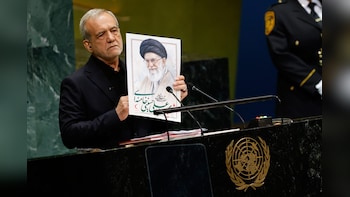
Tehran responded bitterly to Trump's rejection, claiming the U.S. proposal would have amounted to Iran surrendering to his "excessive demands." Iranian President Masoud Pezeshkian declared that Iran would "never bow down to the enemy" and would "defend national interests with strength."
هرگز در برابر دشمن سر خم نخواهیم کرد و اگر سخنی از گفتوگو یا مذاکره مطرح میشود، معنای آن تسلیم یا عقبنشینی نیست. بلکه هدف، احقاق حقوق ملت ایران و دفاع مقتدرانه از منافع ملی است.
— Masoud Pezeshkian (@drpezeshkian) May 10, 2026
The standoff carries grave economic consequences. Saudi Aramco warned Sunday that even if the Strait of Hormuz reopened immediately, it could take several months for oil markets to normalize — and potentially until 2027 if disruptions persist.
Talks between the U.S. and Iran, mediated by Pakistan, have centered on freedom of navigation through the strait, Iran's nuclear and ballistic missile program, reconstruction, and sanctions — with neither side yet removing its blockade.
ALSO READ: Netanyahu Tells CBS He Wants to Phase Out US Funding for Israel
Essential Business Intelligence, Sharp Market Insights, Practical Personal Finance Advice, Daily Fuel, Gold and Silver Prices and Latest Stories — On NDTV Profit.