- Masayoshi Son predicts nuclear fusion will power future AI data centers' needs by 2040
- Natural gas will remain the main power source for data centers in the near term
- Fusion offers clean, safe energy with low emissions and less radioactive waste than fission
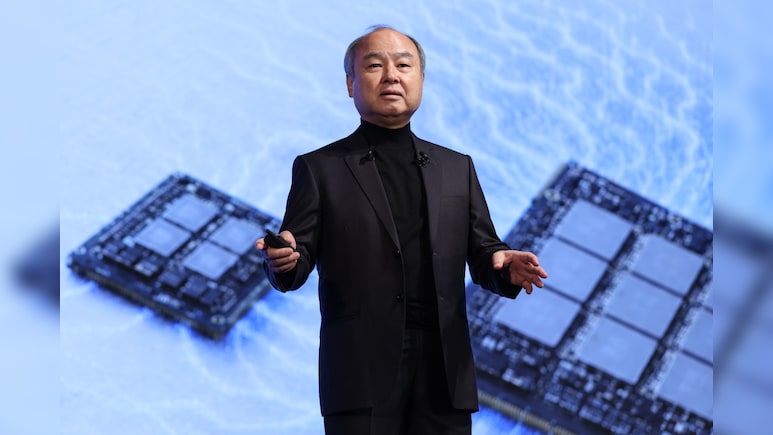
SoftBank Group Corp. founder Masayoshi Son said that in the not-so-distant future, nuclear fusion technology will offer the most realistic solution for powering AI data centers' ballooning needs.
Natural gas will provide the bulk of data centers' power needs for the time being, Son said. But he predicted that nuclear fusion - the process by which the sun and other stars generate energy - has a role to play, predicting the world will need 3 terawatts of data center capacity in 2040. Many technological and financial challenges remain for fusion technology to become a viable energy source, however, according to BloombergNEF.
"Fusion will become the main source of a new kind of cheaper, clean and safe energy here on Earth," said Son, 68, at an annual SoftBank World event in Tokyo. "Is it okay to be using so much gas power? I think in 15 years, fusion will take its place."
Also Read | Layoffs Are Rising In Tech, But These Skills Are Helping People Unlock Better Pay
ALSO READ: This Multibagger Stock Could Be A Key Winner In India's AI Journey, And It Isn't An IT Giant
Son has argued fervently against reliance on nuclear power following the 2011 meltdown of Tokyo Electric Power Co.'s Fukushima Daiichi nuclear power plant. Nuclear fusion can, in theory, provide large amounts of energy with low carbon emissions, less long-lasting radioactive waste than conventional nuclear fission, without the risk of chain reactions.
In recent years, investment in fusion companies has surged, with several companies moving from research to building prototypes. The US Energy Department has set a goal for scaling up the technology in the mid-2030s. The technology is promising but complex: It offers tantalizing dreams of near-infinite clean electricity, but only a few countries have even managed to crack the basics so far.
Natural gas is readily available now and accounts for more than one-fifth of global power generation. But while it emits less greenhouse gases than oil or coal, burning it still creates emissions that contribute to planetary warming.
The extraordinary cost of building data center infrastructure will pay for itself, Son argued, dismissing growing questions about whether the hundreds of billions of dollars spent on AI hardware will deliver returns. "Asking whether AI is a bubble is an incredibly foolish question," posed by people who do not understand or thoroughly use AI, Son said.
ALSO READ: TCS Vs HCLTech: Salary Hikes, Hiring And The AI Bet That Sets Them Apart
If Japan is unable to recognize AI's potential, the country's economy will miss out on an opportunity for wealth that created the world's biggest companies such as Google, Amazon.com Inc. and Meta Platforms Inc., he warned.
(This story has not been edited by NDTV staff and is auto-generated from a syndicated feed.)
Essential Business Intelligence, Sharp Market Insights, Practical Personal Finance Advice, Daily Fuel, Gold and Silver Prices and Latest Stories — On NDTV Profit.