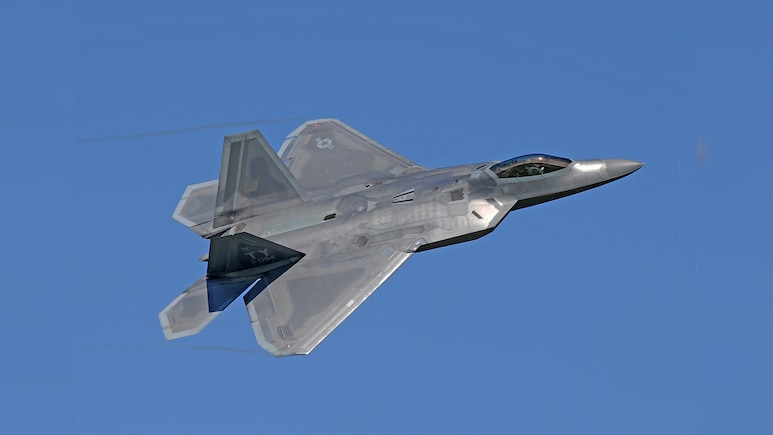
Saudi Arabia's Air Force carried out multiple covert strikes on Iranian soil in late March in direct retaliation for a wave of Iranian missile and drone attacks on the kingdom, Reuters reported on Tuesday, citing two Western officials and two Iranian officials.
The attacks were never publicly acknowledged by Riyadh. The disclosure marks the first known instance of Saudi Arabia conducting direct military action against Iran and signals a significant shift in how the kingdom is willing to defend itself.
One Western official described them simply as "tit-for-tat strikes in retaliation for when Saudi Arabia was hit." Reuters said it was unable to confirm the specific targets, and a senior Saudi foreign ministry official did not directly address whether the strikes had taken place when asked for comment. The Iranian foreign ministry did not respond.
Also Read | Layoffs Are Rising In Tech, But These Skills Are Helping People Unlock Better Pay
How Crises Widened
The Saudi strikes underscore the widening of the conflict — and the extent to which a war that began when the United States and Israel launched airstrikes on Iran on February 28 has drawn in the broader Middle East in ways that have not been publicly acknowledged.
Since those initial strikes, Iran has hit all six Gulf Cooperation Council states with missiles and drones.
The scale of the assault on Saudi Arabia was severe. From more than 105 drone and missile attacks on the kingdom in the single week of March 25–31, the number fell sharply to just over 25 between April 1–6, according to a Reuters tally of Saudi defence ministry statements.
Western sources assessed that the reduction followed Riyadh's retaliatory action and subsequent back-channel signalling.
ALSO READ: Trump On Middle East War: 'I Don't Think About The Financial Situation Of Americans'
Diplomacy And A Fragile De-escalation
Iranian and Western officials told Reuters Riyadh made Tehran aware of the strikes, after which intensive diplomatic engagement followed, along with Saudi threats to retaliate further — an understanding that ultimately led both sides toward de-escalation, taking informal effect in the week before Washington and Tehran agreed to a broader ceasefire on April 7.
The Saudi-Iranian communication continued even as strains emerged at the start of the broader ceasefire, when the Saudi defence ministry reported 31 drones and 16 missiles fired at the kingdom on April 7–8.
The spike prompted Riyadh to consider retaliation against both Iran and Iraq, while Pakistan deployed fighter jets to reassure the kingdom and urged restraint as diplomacy gathered pace.
Saudi Arabia, which has traditionally relied on the United States military for protection, found that the 10-week war left the kingdom vulnerable to attacks that pierced that umbrella, reportedly pushing Riyadh toward a more independently assertive military posture.
ALSO READ: Relief For Trump, US Appeals Court Pauses Ruling against 10% Global Tariff
Essential Business Intelligence, Sharp Market Insights, Practical Personal Finance Advice, Daily Fuel, Gold and Silver Prices and Latest Stories — On NDTV Profit.