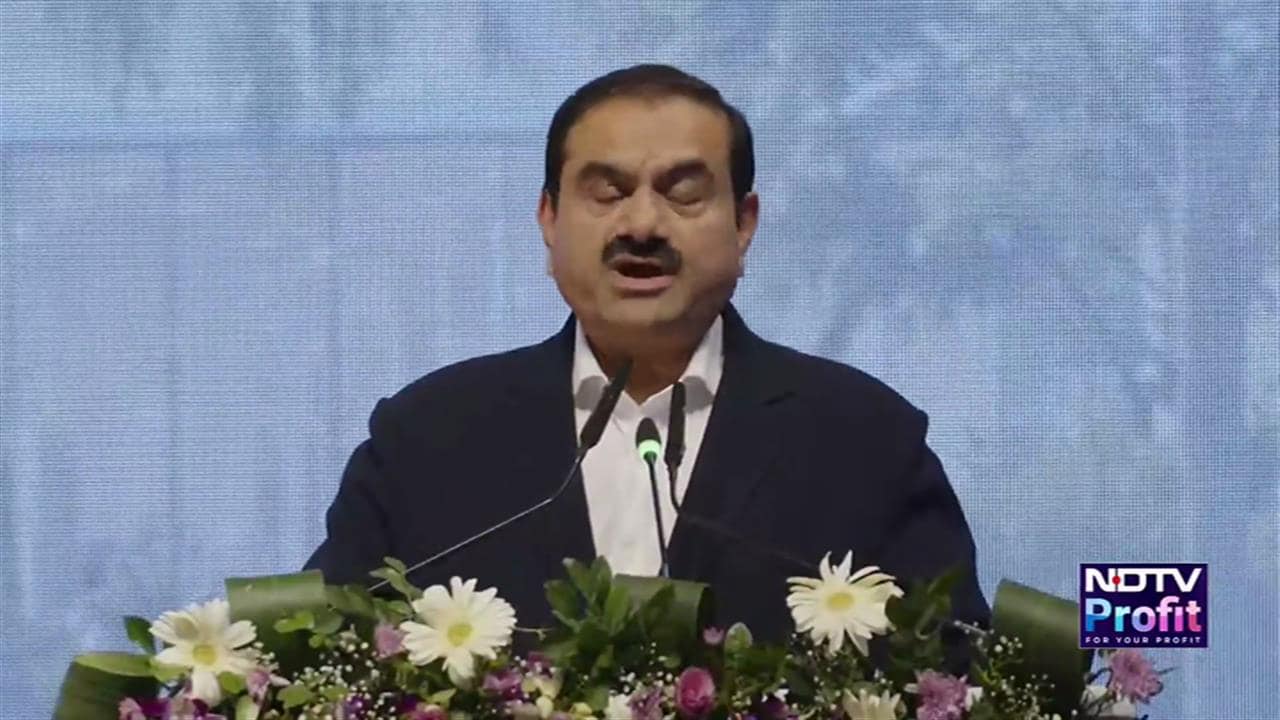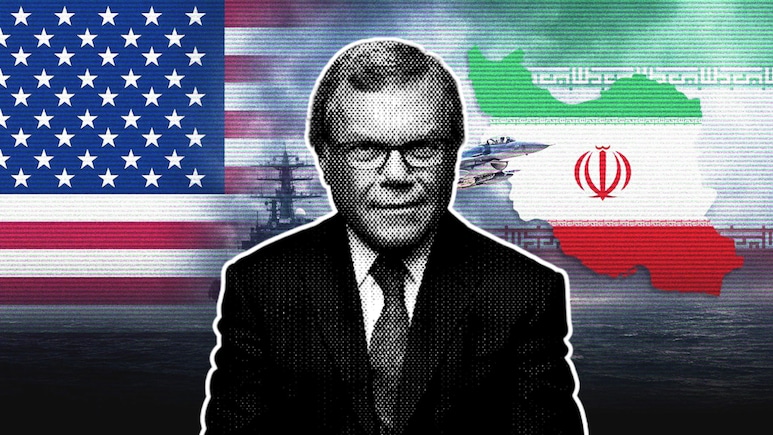
As hopes of a near-term de-escalation in the West Asia conflict flicker, veteran advertising mogul Sir Martin Sorrell has urged businesses and investors to prepare for prolonged uncertainty rather than a swift resolution. Speaking to NDTV, Sorrell said conflicting signals from global leaders make it “impossible” to determine whether the situation is truly approaching an end, despite recent indications of a pause in US strikes and tentative diplomatic efforts.
“You have to plan for all eventualities,” he said, noting that even in the past 72 hours, sentiment among global CEOs has shifted from expecting a quick resolution to bracing for a longer conflict.
Sorrell warned that even a short-lived disruption could have meaningful economic consequences. He expects global growth to come under pressure, while inflation and interest rates could remain higher than previously anticipated. Citing recent revisions by Goldman Sachs, he pointed out that US GDP forecasts have already been trimmed, while expectations for rate cuts have been pushed back. Inflation projections have also edged higher.
Also Read | Layoffs Are Rising In Tech, But These Skills Are Helping People Unlock Better Pay
The potential disruption to energy infrastructure—particularly in critical supply routes such as the Strait of Hormuz—remains a key risk. Incidents like damage to LNG facilities in Qatar highlight how supply shocks could have longer-term ripple effects.
ALSO READ: Private Vs PSU Banks In 12 Months — Vikas Khemani Picks The Outperformer
A More Complex, Multipolar World
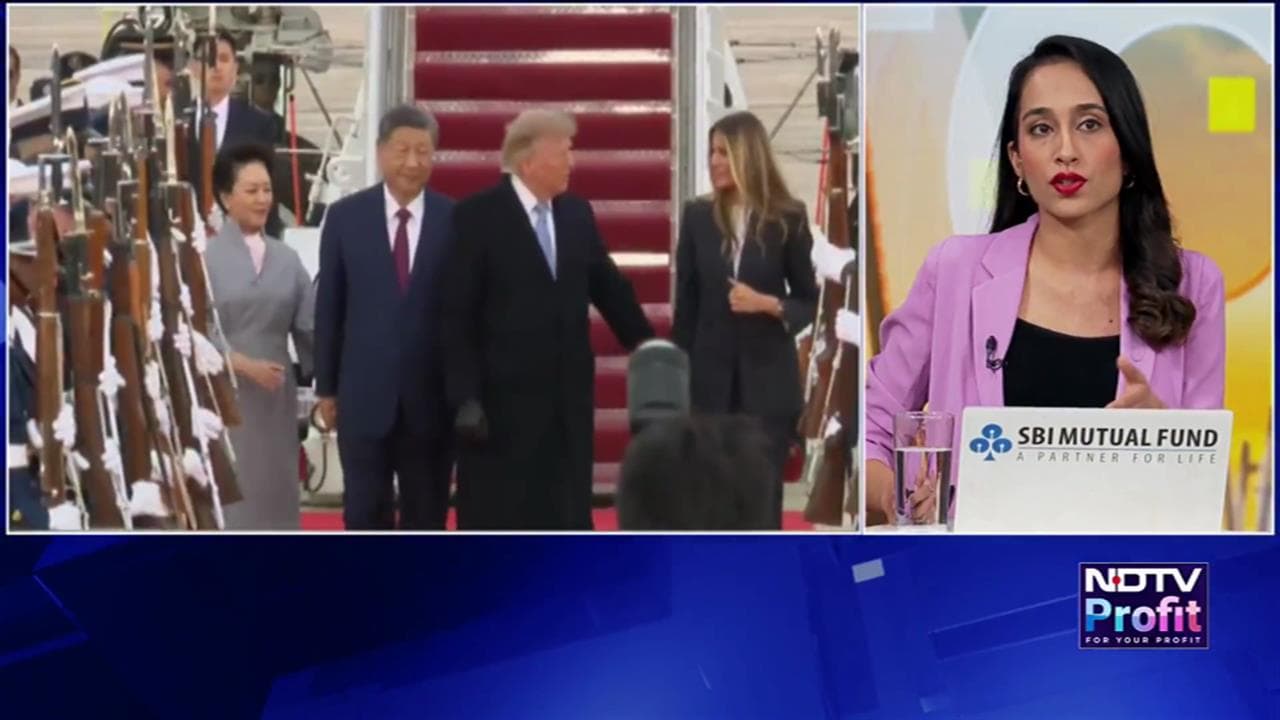
Beyond the immediate conflict, Sorrell framed the situation as part of a broader shift in the global order. Rising tensions between the US and China, ongoing Russia-Ukraine hostilities, and instability in West Asia are collectively reshaping the economic and geopolitical landscape.
He noted that businesses can no longer rely on the relative stability of the globalization era seen over the past four decades. Instead, companies must adapt to a “more nuanced geographic strategy” in a multipolar world.
This includes preparing for structurally slower growth, more persistent inflation, and higher interest rates, alongside increased geopolitical fragmentation.
Agility and Efficiency Become Critical
In this environment, Sorrell emphasised the need for companies to become more agile and operationally efficient. He pointed to technologies such as artificial intelligence, quantum computing and blockchain as critical tools to drive productivity and resilience. At the same time, shifting trade dynamics—such as China redirecting exports toward emerging markets—underscore how economic alliances are evolving alongside political ones.
Sorrell also cautioned against viewing the Iran conflict in isolation. The underlying issues—ranging from nuclear capabilities to regional power dynamics—remain unresolved, suggesting that tensions could persist in different forms.
“The world is changing,” he said, pointing to the growing influence of emerging economies like India and Indonesia, and the shift of economic power toward the Global South.
Essential Business Intelligence, Sharp Market Insights, Practical Personal Finance Advice, Daily Fuel, Gold and Silver Prices and Latest Stories — On NDTV Profit.