- Japan urges citizens to stock essential supplies for at least three days to prepare for disasters
- The National Disaster Management Agency promotes securing furniture and identifying evacuation shelters
- Prime Minister Takaichi calls for improved government coordination in disaster response efforts
Japan has joined a growing list of countries asking citizens to keep essential supplies at home, as governments step up preparations for emergencies ranging from natural disasters and power outages to cyberattacks and potential security threats.
The country's newly established National Disaster Management Agency has urged households to prepare for emergencies by securing furniture, stocking up on food and water, and identifying nearby evacuation shelters.

-
 Indian Markets Turning Corner After Two Tough Years, Says Sandeep Tandon
-
 NDTV Profit Ignite 2026: Experts See Opportunity In Equities, Stay Bullish For Long-Term
-
 Buy Right, Sit Tight Does Not Work for Individual Stocks, Says Dinshaw Irani
-
 'Worst Is Behind': Quant MF Sees Market Bottom, Flags 'Extreme Euphoria' In Midcaps
-
 India's Mutual Fund Industry Could Become A $1 Trillion Opportunity, Say Fund Managers
-
 'Foreign Investors Are Baraatis': Raamdeo Agrawal's Take On LTCG Tax
-
 Stay Invested Through Market Cycles: Raamdeo Agrawal at NDTV Profit Ignite
-
 Ramesh Damani Remains Bullish On India For Next 20-30 Years, Sees Bargains Amid Market Weakness
-
 CAS Came After A Long Consultation Process: SEBI Chairman Tuhin Kanta Pandey AT NDTV PROFIT IGNITE
-
 Aim To Cut FPI Onboarding Time From Mth To Five Days: SEBI Chairman Tuhin Kanta Pandey AT NDTV PROFI
According to The Japan Times, the agency has recommended keeping enough food and drinking water to last at least three days, preferably one week. It has also issued an emergency request asking people to take practical steps to reduce risks during disasters.
Also Read | Layoffs Are Rising In Tech, But These Skills Are Helping People Unlock Better Pay
Goshi Hosono, the agency's first chief, said there were limits to what central and local governments could do when a major disaster strikes.
"I hope that you all take proper action," he said at a news conference.
Hosono said he wanted to make Japan the world's most disaster-resilient nation, particularly given the risk of large-scale earthquakes, including a potential megaquake along the Nankai Trough.
Japan Times reported that Prime Minister Sanae Takaichi, speaking at the agency's inauguration, called for better coordination between government departments, describing the new institution as a strong control tower.
The agency has 352 staff members, around 60% more than its predecessor within the Cabinet Office. It will oversee disaster response, recovery and reconstruction.
Why Are Countries Asking People To Stock Up?
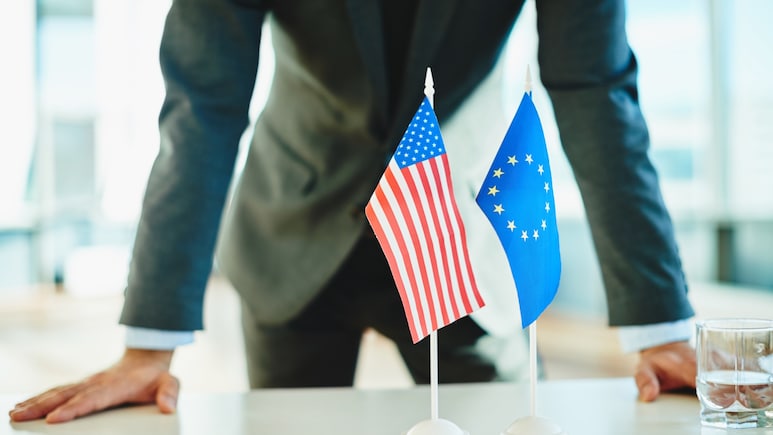
Japan's move comes as several governments have issued similar household preparedness guidelines. The US and the European Union recommend keeping enough essential supplies to manage for at least 72 hours. The UK's Be Ready campaign, relaunched on October 22, also advises households to prepare for three days without normal services.
Other countries have set longer targets. Germany recommends supplies for up to 10 days, while Norway and Sweden advise households to prepare for around a week. Finland, France, Ireland and several other European nations have also issued emergency preparedness guidance.
The recommendations generally include drinking water, non-perishable food, medicines, torches, spare batteries, first-aid kits, cash and power banks.
In the US, Fortune has reported that the Pentagon is developing a plan called FORTRESS, under which major military bases could operate independently for up to 90 days.
ALSO READ: Emergency Fund Planning: How To Keep Your Money Safe And Accessible
Meanwhile, countries closer to Russia have expanded civil defence preparations following the invasion of Ukraine. According to Le Monde, Finland, Sweden, Poland and the Baltic states have invested in shelters, evacuation planning and civilian preparedness.
There is no evidence that these preparedness campaigns signal an imminent world war. Governments are addressing different risks, from earthquakes in Japan to extreme weather, infrastructure disruptions and security threats in Europe.
The 72-hour recommendation is intended to give emergency services time to respond while households manage basic needs independently.
Essential Business Intelligence, Sharp Market Insights, Practical Personal Finance Advice, Daily Fuel, Gold and Silver Prices and Latest Stories — On NDTV Profit.