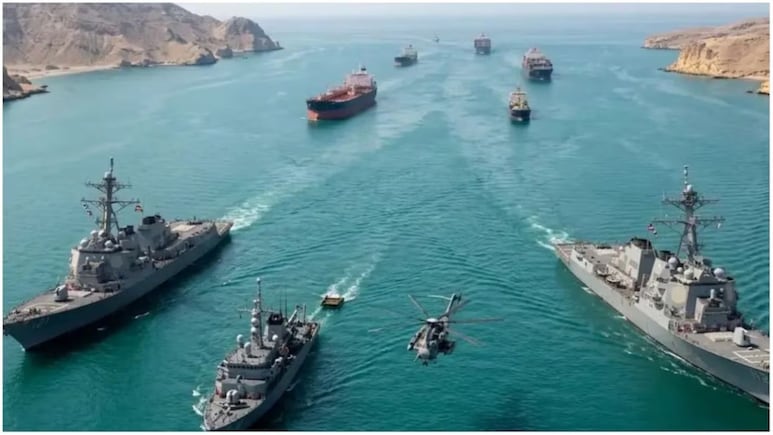
Iran's Islamic Revolutionary Guard Corps (IRGC) has warned shipowners against using any newly proposed transit routes through the Strait of Hormuz without Tehran's approval, saying such passages are "unacceptable and dangerous".
The warning underscores Iran's determination to maintain operational control over one of the world's most critical energy chokepoints, even after Washington and Tehran signed a memorandum of understanding last week aimed at reopening maritime traffic through the Strait.
According to Iranian local media, the IRGC Navy said vessels must use only shipping corridors designated by Iran and coordinate movements through approved communication channels.
Also Read | Layoffs Are Rising In Tech, But These Skills Are Helping People Unlock Better Pay
ALSO READ | 'Maybe It Wasn't Our Missile': Trump On Deadly Strike On Minab Girls' School In Iran
“Navigation outside these routes is highly dangerous and prohibited, and we warn all vessels to strictly avoid any movement outside the designated corridors,” the IRGC Navy said.
The statement followed a notice issued by a naval information group on Saturday recommending that shipowners use a southern transit corridor along Omani territorial waters, describing it as clear of mines and safer for navigation.
“The southern transit route, along Omani (territorial waters), has been confirmed clear of mines and is the recommended route,” the advisory said.
While ship traffic has begun recovering, activity remains below pre-conflict levels. Ship-tracking data provider MarineTraffic said vessel transits through the Strait tripled last weekend to 93 compared with the previous comparable period. However, that remains below the more than 100 daily crossings typically recorded before the conflict.
MarineTraffic also reported 31 verified commercial and energy vessel crossings on Tuesday, with operators continuing to use a mix of Iranian, Omani and International Maritime Organization-designated routes.
“Operators are still moving cautiously rather than returning to fully normal traffic patterns,” the firm said.
ALSO READ | Hormuz Traffic Eases: 30 India-Bound Ships Cross, 26 Remain In Queue, Says Report
The dispute over navigation comes amid growing tensions between Tehran and Washington. The U.S. Treasury sanctioned Iran's Persian Gulf Strait Authority in May, accusing it of attempting to “extort global maritime trade”. Treasury Secretary Scott Bessent said the U.S. would not tolerate any tolling system on Hormuz and would target those involved.
Market participants remain focused on the longer-term implications for oil flows. Analysts have warned that if Iran retains operational influence over the Strait, shipping volumes may not return to pre-war levels.
Essential Business Intelligence, Sharp Market Insights, Practical Personal Finance Advice, Daily Fuel, Gold and Silver Prices and Latest Stories — On NDTV Profit.