- Iran's rial hit a record low of 2.3 million per US dollar in free market trading
- US sanctions and Operation Economic Outcast have intensified economic pressure on Iran
- Iran's annual inflation surged to 61.4%, with food prices rising 128.1% year-on-year
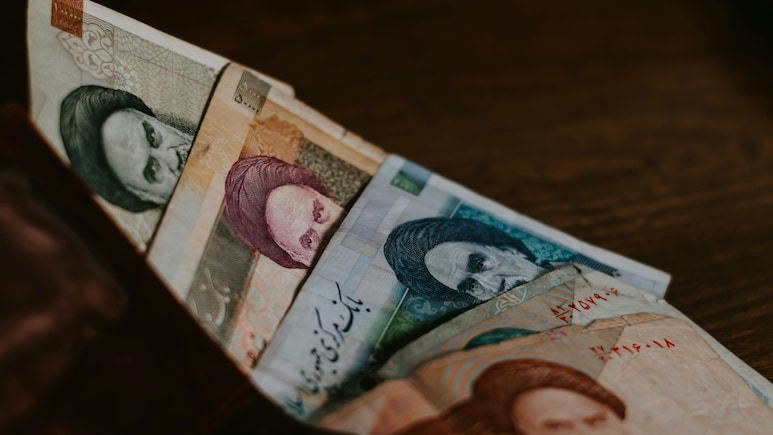
Iran's currency, the rial, has fallen to its lowest level ever against the US dollar as the country continues to grapple with high inflation and mounting economic pressure from US sanctions, according to reports.
According to Pashizi.com, which tracks Iran's free foreign exchange market, the free-market selling rate of the US dollar in Iran rose to a record 2.3 million rials.
The sharp fall in the value of the rial comes as Iran faces growing economic pressure following the launch of the US' “Operation Economic Outcast”, a new set of sanctions aimed at further financially isolating Tehran from the international economy.
Also Read | Layoffs Are Rising In Tech, But These Skills Are Helping People Unlock Better Pay
ALSO READ: Iran Turns to Prabhas' Baahubali For Defiant Message To US: 'Will Never Bow Our Heads'
The currency's latest decline comes against the backdrop of a sharp rise in prices across the Iranian economy. Iran's annual inflation rate has reached 61.4%, while official data showed food prices rising 128.1% year-on-year, Al Jazeera reported.
The combination of high inflation, rising food prices and tighter sanctions has added to pressure on the rial, increasing concerns over the purchasing power of Iranian consumers.
The latest fall marks another steep decline for Iran's currency in the free market, as the rial continues to face pressure amid the country's economic challenges.
The record-low exchange rate also highlights the widening economic strain facing Tehran as it deals with high inflation and increasing restrictions on its access to the global financial system.
US President Donald Trump, on Saturday, rejected Iran's seven-day ceasefire proposal and told aides he expects US bombing of Iran to resume after the November midterm elections, according to US officials cited by The Washington Post.
Tehran had offered to reopen the Strait of Hormuz and restart nuclear talks with Washington as part of the arrangement.
ALSO READ: More US Strikes On Iran? Trump Hints 'It's Possible'; Tehran Says Fully Prepared For 'Doomsday' War
Iranian Foreign Minister Abbas Araqchi also said that Iran had proposed a seven-day framework under which the strait would reopen, Washington would lift its naval blockade on Iranian ports, ease sanctions on Iranian oil exports and observe a ceasefire including Lebanon, with nuclear talks to follow. "The choice now rests with the United States," Araqchi noted.
Iran's economy and infrastructure are now beginning to bear the brunt of the war.
Essential Business Intelligence, Sharp Market Insights, Practical Personal Finance Advice, Daily Fuel, Gold and Silver Prices and Latest Stories — On NDTV Profit.