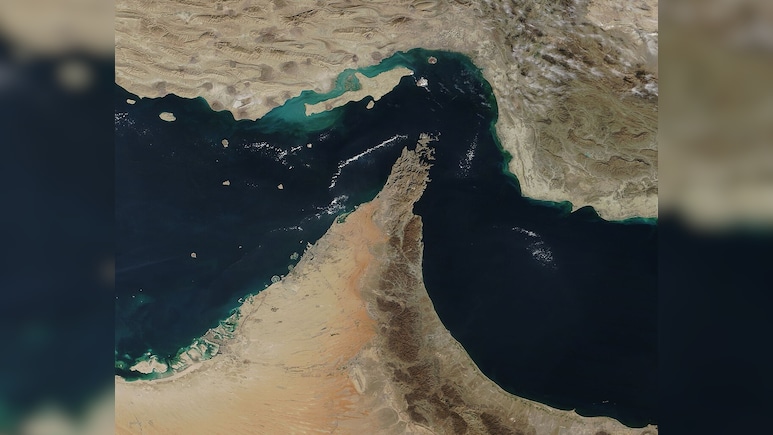
Shipping through the Strait of Hormuz came to a halt on Sunday after Iran reimposed control over the crucial oil transit route, citing unresolved differences with the United States ahead of a fragile ceasefire deadline.
According to maritime tracking data, vessel movement across the narrow corridor - which typically carries nearly a fifth of global oil shipments - has effectively stopped, raising fresh concerns over energy supplies worldwide.
ALSO READ | Strait Of Hormuz Crisis: US Deploys Warships, Attack Helicopters As Tensions Rise With Iran
Also Read | Layoffs Are Rising In Tech, But These Skills Are Helping People Unlock Better Pay
The escalation comes despite both sides signalling cautious optimism in ongoing negotiations. US President Donald Trump said Washington was engaged in “very good conversations” with Tehran, though he did not elaborate.
On the other side, Iran's chief negotiator Mohammad Baqer Qalibaf acknowledged some progress but stressed that “there is still a big distance between us,” particularly on nuclear issues and control of the waterway.
Tehran reversed its earlier decision to allow shipping through Hormuz, accusing Washington of breaching a ceasefire by maintaining a blockade on Iranian ports. The move has heightened tensions in an already volatile region, with reports of at least two vessels coming under fire while attempting to pass through the strait.
The conflict, now in its eighth week, has triggered one of the most severe disruptions to global energy markets in recent history. Oil prices have surged amid fears of prolonged supply constraints, while hundreds of ships and thousands of seafarers remain stranded in the Gulf awaiting safe passage.
ALSO READ | Iran-Aligned Yemen's Houthis Threaten To Shut Bab Al-Mandeb Strait
Diplomatic efforts, including talks held in Islamabad, have so far failed to yield a breakthrough. The negotiations - the first direct engagement between Washington and Tehran in decades - ended without agreement, though preparations for another round appear to be underway before the ceasefire expires.
Meanwhile, Iran's leadership has hardened its stance. A statement attributed to Supreme Leader Mojtaba Khamenei warned that Iranian forces were prepared to deliver “new bitter defeats” if tensions escalate further. In response, Trump called Tehran's actions “blackmail” and warned of renewed military action if a long-term deal is not reached soon.
With both sides holding firm on key demands - including the duration of limits on Iran's nuclear programme - uncertainty continues to cloud prospects for de-escalation, leaving global markets and regional stability on edge.
Essential Business Intelligence, Sharp Market Insights, Practical Personal Finance Advice, Daily Fuel, Gold and Silver Prices and Latest Stories — On NDTV Profit.