US President Donald Trump is coming under increasing international pressure after he pledged to continue the war on Iran, sparking further turmoil in energy markets, with Tehran moving to tighten its grip on the Strait of Hormuz.
French President Emmanuel Macron on Thursday said Trump's demands for help reopening the vital waterway through military means are “unrealistic,” calling for consultation with Iran to come up with a solution. The United Arab Emirates is appealing to the United Nations to authorize a range of measures, including force, to get oil and gas flowing through the strait again, with fears growing of a global supply crisis.
Iran is drafting a protocol with Oman to monitor traffic through the strait, having effectively shut it down since the start of the war, state-run IRNA reported. That would require shippers to pay tolls to the Islamic Republic, Deputy Foreign Minister Kazem Gharibabadi said in an interview with Sputnik.
Also Read | Layoffs Are Rising In Tech, But These Skills Are Helping People Unlock Better Pay
The passage is officially international waters and any attempt by Iran to assert control over traffic would be opposed by Western powers and Gulf Arab states.
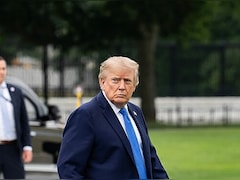
In a primetime speech Wednesday night, Trump said the US-Israeli alliance would carry out further operations against Iran “over the next two to three weeks,” repeating a threat “to hit each and every one of their electric-generating plants” if Tehran doesn't agree to US demands to end the fighting.
The Islamic Republic continued attacks across the Persian Gulf and showed little appetite to start talks, let alone concede defeat. The foreign ministry said Iran had received US messages through intermediaries including Pakistan, but that American demands were “maximalist and illogical.”
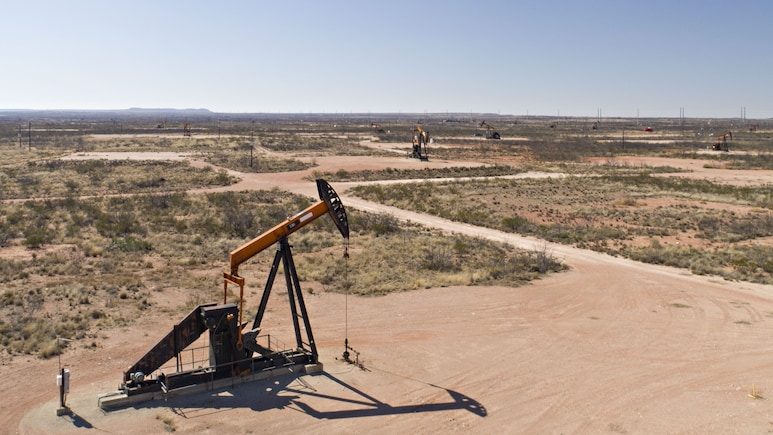
Brent crude jumped, trading about 6% higher at $107 a barrel, as Trump's comments dashed hopes of a quick end to the war. Europe's diesel futures rose to more than $200 a barrel earlier, the highest level since 2022, as the ongoing war and the Hormuz blockage cause fuel shortages.
Iranian missile and drone attacks were reported by Gulf Arab states overnight and into Thursday. The US embassy in Baghdad warned that Iraqi militias may carry out attacks on central parts of the city in the next two days, including against American citizens.
Israel experienced one of the biggest barrages of Iranian missiles on Wednesday night since the conflict erupted in late February. The US and Israel launched the war by attacking Iran, saying it posed a nuclear threat and that it was necessary to destroy the country's stockpile of missiles.
United Nations Secretary General Antonio Guterres called for freedom of navigation and the protection of civilians and civilian infrastructure, including nuclear installations, with the region “on the edge of a wider war.” He told reporters that he's dispatching an envoy to seek peace, urging the US and Israel to end the conflict and for Iran to stop attacking neighbors.
Trump's speech came as he tries to convince Americans of the merits of the war and that surging gasoline prices — which have climbed above $4 a gallon for the first time since 2022 — will go down quickly once fighting stops.
ALSO READ | Industrial Diesel Prices Hiked By Rs 28 Per Litre Amid Middle East Crisis
Ahead of Trump's address, Iranian President Masoud Pezeshkian took the unusual step of writing a letter to Americans, published on X. He argued his country had no enmity with the US and warned that “continuing along the path of confrontation is more costly and futile than ever before.”
The Strait of Hormuz, a waterway through which a fifth of the world's oil and liquefied natural gas normally flows, has been largely closed since the start of hostilities, presenting a major economic pain point for Trump and the world. Brent crude, an international oil benchmark, has surged about 60% since the war began.
Trump, while insisting the energy shock will ease, did not lay out a plan for how the US would convince Iran to let traffic resume through the strait. He exhorted allies who rely on Middle Eastern oil supplies to “take care of that passage.”
“They must grab it and cherish it,” he said.
On Thursday, the UK is chairing a virtual meeting with foreign ministers from around 35 countries including the United Arab Emirates, France, Germany, Italy, Canada and Japan. They will discuss a plan to restore freedom of navigation in the strait. The US was not due to attend.
The countries convened by Britain will cover three tracks: diplomatic, economic and military, according to people familiar with the matter, who were granted anonymity discussing information that has not been made public.
The focus for now will be on diplomacy, coordinating efforts by nations with channels into Tehran, the people said. Should that prove unsuccessful, the coalition would consider economic measures targeting Iran's oil and shipping industries, they added.
The UAE's ambassador to the UN asked the council to take “immediate action” in order to “ensure the safe and secure navigation and navigational rights and freedoms in and around the Strait of Hormuz.”
The resolution would not create a new UN mission. But UN approval could offer a measure of diplomatic support to Gulf nations if they decided to get involved in military operations or a naval task force to help free up the strait from Iranian control.

First responders attend the site of an Iranian missile attack in Tel Aviv on April 2.
Photo Credit: Bloomberg
A prolonged conflict carries political risks for Trump and his Republican Party ahead of the November midterm election that will determine control of Congress. Polls show significant numbers of Americans already disapprove of the conflict.
More than 5,000 people have been killed in the conflict so far, almost three-quarters of them in Iran, according to government organizations and the US-based Human Rights Activists News Agency. Just over 1,300 people have been killed in Lebanon, where Israel is fighting a parallel war with Iran-allied Hezbollah.
Essential Business Intelligence, Sharp Market Insights, Practical Personal Finance Advice, Daily Fuel, Gold and Silver Prices and Latest Stories — On NDTV Profit.