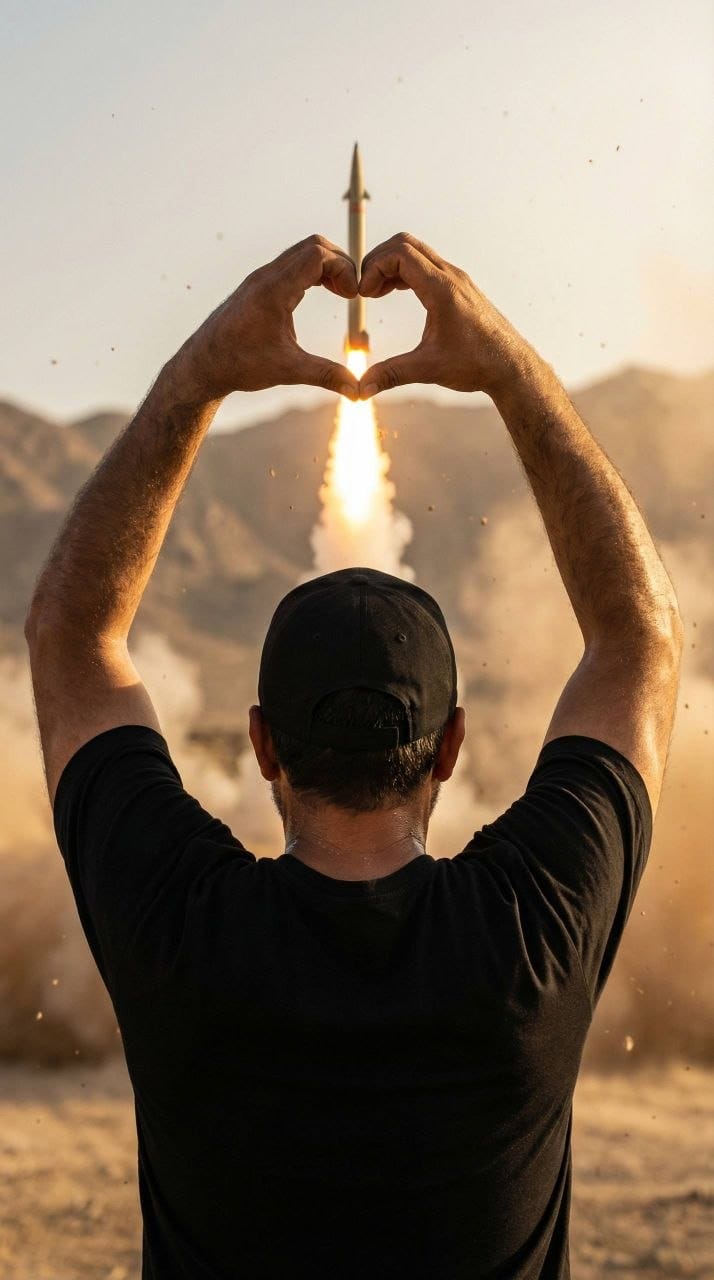
A provocative social media post by Iran's embassy in South Africa has added a new layer to the ongoing geopolitical and information battle surrounding the conflict between Iran, the United States and Israel, even as Tehran rejected a US-backed peace proposal as “one-sided and unfair.”
The embassy's post on X, reading, “Injection for Pedophiles with love from IRAN”, has drawn attention for its stark language, with analysts linking it to narratives circulating online about the timing of the war and renewed scrutiny around the Jeffrey Epstein files in the United States.
Also Read | Layoffs Are Rising In Tech, But These Skills Are Helping People Unlock Better Pay
Injection for Pedophiles with love from IRAN pic.twitter.com/ZBkKbzwa0u
— Iran Embassy SA (@IraninSA) March 24, 2026
The post comes amid speculation in some quarters that the escalation in West Asia coincided with, and may have overshadowed, fresh disclosures related to Epstein's network, which have triggered political backlash and demands for transparency across the US. While officials in Washington have denied any connection, the overlap in timing has fuelled debate.
Observers say the Iranian messaging appears to tap into these narratives, blending geopolitical rhetoric with domestic controversies in the US. The framing, invoking themes of justice and alleged wrongdoing, reflects a broader information strategy increasingly visible during the conflict.
Also Read: 'They're Begging, Not Me': Trump Calls Iranians 'Lousy Fighters', Links Deal To Opening Of Hormuz
The developments come as tensions on the ground remain high. According to a Reuters report, Iran has dismissed a US proposal aimed at ending nearly four weeks of fighting, calling it “one-sided and unfair.” The proposal, conveyed to Tehran via Pakistan, was reviewed by senior Iranian officials, a source told Reuters, but was found to lack “the minimum requirements for success” and seen as serving US and Israeli interests.
US President Donald Trump, however, has maintained a hard line, warning that Iran must agree to a deal or face continued military action. “They now have the chance… to permanently abandon their nuclear ambitions,” he said, adding, “If they don't, we're their worst nightmare.”
At the same time, Trump struck a more ambiguous note on diplomacy, describing Iranians as “great negotiators” but saying he was unsure if Washington was “willing to make a deal with them to end the war.”
Also Read: Russia Is Helping Iran Kill Americans,' EU's Top Diplomat Says
US Special Envoy Steve Witkoff confirmed that Washington had shared a “15-point action list” as a basis for negotiations. The reported framework includes curbs on Iran's nuclear and missile programmes and wider regional conditions.
Iranian Foreign Minister Abbas Araghchi has pushed back, saying, “At present, our policy is to continue resistance and defend the country, and we have no intention of negotiating.”
The conflict, which began on February 28 following US and Israeli strikes, has since widened across the region, with missile and drone exchanges continuing. The economic fallout has also intensified, particularly due to disruptions around the Strait of Hormuz, a critical route for global energy supplies.
As both military and diplomatic fronts remain active, analysts say the parallel information war, including messaging like the Iranian embassy's post, is shaping perceptions as much as developments on the battlefield.
Essential Business Intelligence, Sharp Market Insights, Practical Personal Finance Advice, Daily Fuel, Gold and Silver Prices and Latest Stories — On NDTV Profit.