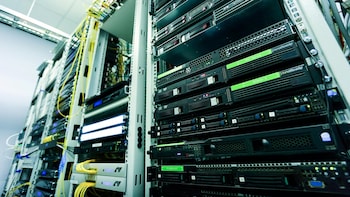
The global AI boom has a power problem, and it knows it. It is increasingly showing up in Americans' electricity bills. As voters head to the polls for the US midterm elections today, on November 3, the discussion over who pays for the enormous infrastructure needed to run AI data centres has become an important test for tech companies and policymakers, alike.
This goes beyond regulating artificial intelligence, as it centers on whether households should bear the cost of new power infra built to support energy-intensive data centres, or whether tech companies should pay for the additional capacity they require.

-
 Indian Markets Turning Corner After Two Tough Years, Says Sandeep Tandon
-
 NDTV Profit Ignite 2026: Experts See Opportunity In Equities, Stay Bullish For Long-Term
-
 Buy Right, Sit Tight Does Not Work for Individual Stocks, Says Dinshaw Irani
-
 'Worst Is Behind': Quant MF Sees Market Bottom, Flags 'Extreme Euphoria' In Midcaps
-
 India's Mutual Fund Industry Could Become A $1 Trillion Opportunity, Say Fund Managers
-
 'Foreign Investors Are Baraatis': Raamdeo Agrawal's Take On LTCG Tax
-
 Stay Invested Through Market Cycles: Raamdeo Agrawal at NDTV Profit Ignite
-
 Ramesh Damani Remains Bullish On India For Next 20-30 Years, Sees Bargains Amid Market Weakness
-
 CAS Came After A Long Consultation Process: SEBI Chairman Tuhin Kanta Pandey AT NDTV PROFIT IGNITE
-
 Aim To Cut FPI Onboarding Time From Mth To Five Days: SEBI Chairman Tuhin Kanta Pandey AT NDTV PROFI
An All-America Economic Survey conducted by CNBC in October found that 63% of registered voters opposed having a data centre within 10 miles of their homes. Only 13% even supported the idea, and this backlash has made data centres a political issue across party lines, with voter concerns spanning electricity costs, water use and the impact on local communities.
Also Read | Layoffs Are Rising In Tech, But These Skills Are Helping People Unlock Better Pay
Political Pushback
US residential electricity prices have risen more than 10% since 2024, according to Energy Information Administration data cited by Reuters. In states like Ohio, where data centre activity is expanding, residential bills have increased by more than 20% over just two years.
However, data centres are not solely responsible for higher electricity costs. FactCheck.org, citing energy researchers, said the impact varies by region and depends on factors such as existing grid capacity, fuel costs and who pays for infra upgrades.
This disagreement has already played out in Congress, with the House of Representatives passing the Ratepayer Protection Act by 417 votes to three in September. The proposed law sought to make state regulators consider whether large electricity users, including data centres, should pay for the additional power infrastructure required to serve them.
But the legislation failed to clear a Senate procedural hurdle on Sept 30, securing 57 votes against 43 when 60 votes were required. Democrats argued then that the proposal did not go far enough to protect consumers and backed a separate measure requiring data centres to cover the full cost of grid upgrades.
The election could change the leverage available to lawmakers seeking tighter oversight of data centre development. Morgan Stanley has pointed out that state governments, utility regulators and local authorities have significant control too. It also expects major cloud and technology companies to spend around $1.5 trillion on capital projects in 2027, keeping AI infrastructure investment on a massive scale.
Essential Business Intelligence, Sharp Market Insights, Practical Personal Finance Advice, Daily Fuel, Gold and Silver Prices and Latest Stories — On NDTV Profit.