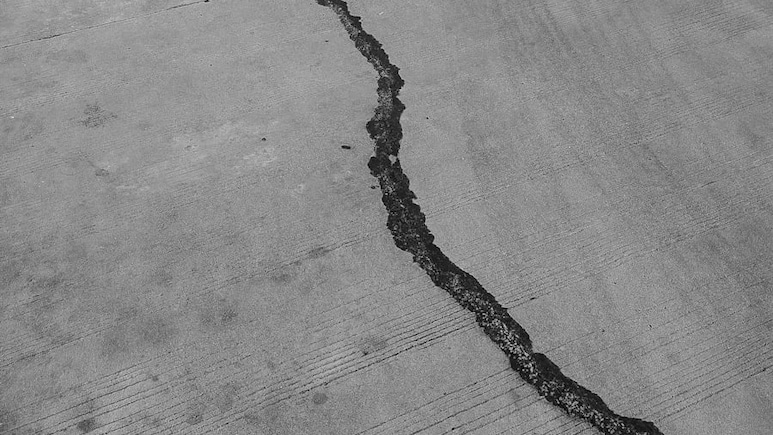
A powerful 6.7-magnitude earthquake struck near Palu on Indonesia's Sulawesi Island, sending strong tremors across the region and prompting residents to rush out of homes and buildings in panic. The quake occurred on the Richter scale at a shallow depth of around 10 kilometres, which contributed to the intensity of shaking felt on the surface.
GB kuat M6.9 di Sulawesi jam 11:27 pagi, 16 Jun 2026. Pusat GB terletak 1.1° S dan 120.2° T dengan kedalaman 10 km. 41km Tenggara dari Palu,Indonesia.#gempabumiMETMalaysia
— Jabatan Meteorologi Malaysia (@metmalaysia) June 16, 2026
#mygempa.met.gov.my pic.twitter.com/lg7BYfvGaE
According to preliminary seismic data, the epicentre was located approximately 42 kilometres (26 miles) south-east of Palu, positioned at coordinates 1.073° South latitude and 120.263° East longitude. The shallow nature of the earthquake led to widespread tremors that were felt across nearby towns and surrounding areas of Central Sulawesi.
Also Read | Layoffs Are Rising In Tech, But These Skills Are Helping People Unlock Better Pay
ALSO READ: Gold Price Today: MCX Gold Trades Above Rs 1.5 Lakh Amid Easing Middle East Tensions
While the tremor near Palu caused widespread panic, a separate, powerful 6.1-magnitude earthquake was recorded off the coast of Indonesia's Sumatra Island.
Indonesia, located along the Pacific Ring of Fire, is one of the most earthquake-prone countries in the world due to the convergence of multiple tectonic plates. As a result, seismic activity is frequent, and authorities maintain continuous monitoring systems to respond quickly to such events.
Indonesia issued tsunami alerts for parts of Kalimantan and Sulawesi, warning that waves as high as three metres could strike the affected areas.
ALSO READ: Caught On Camera: US B-52 Bomber Crashes After Take-Off, All On Board Killed
As tsunami concerns quickly escalated, Indonesia's national disaster mitigation agency directed local authorities in Manado, Gorontalo, and the vulnerable Sangihe Islands to initiate orderly evacuations of coastal residents to higher ground.
The threat extended regionally, prompting the Philippine Institute of Volcanology and Seismology (PHIVOLCS) to track the event closely. PHIVOLCS confirmed it was monitoring tsunami waves of varying heights across six of its coastal stations, with the highest wave recorded measuring 1.4 metres.
Essential Business Intelligence, Sharp Market Insights, Practical Personal Finance Advice, Daily Fuel, Gold and Silver Prices and Latest Stories — On NDTV Profit.