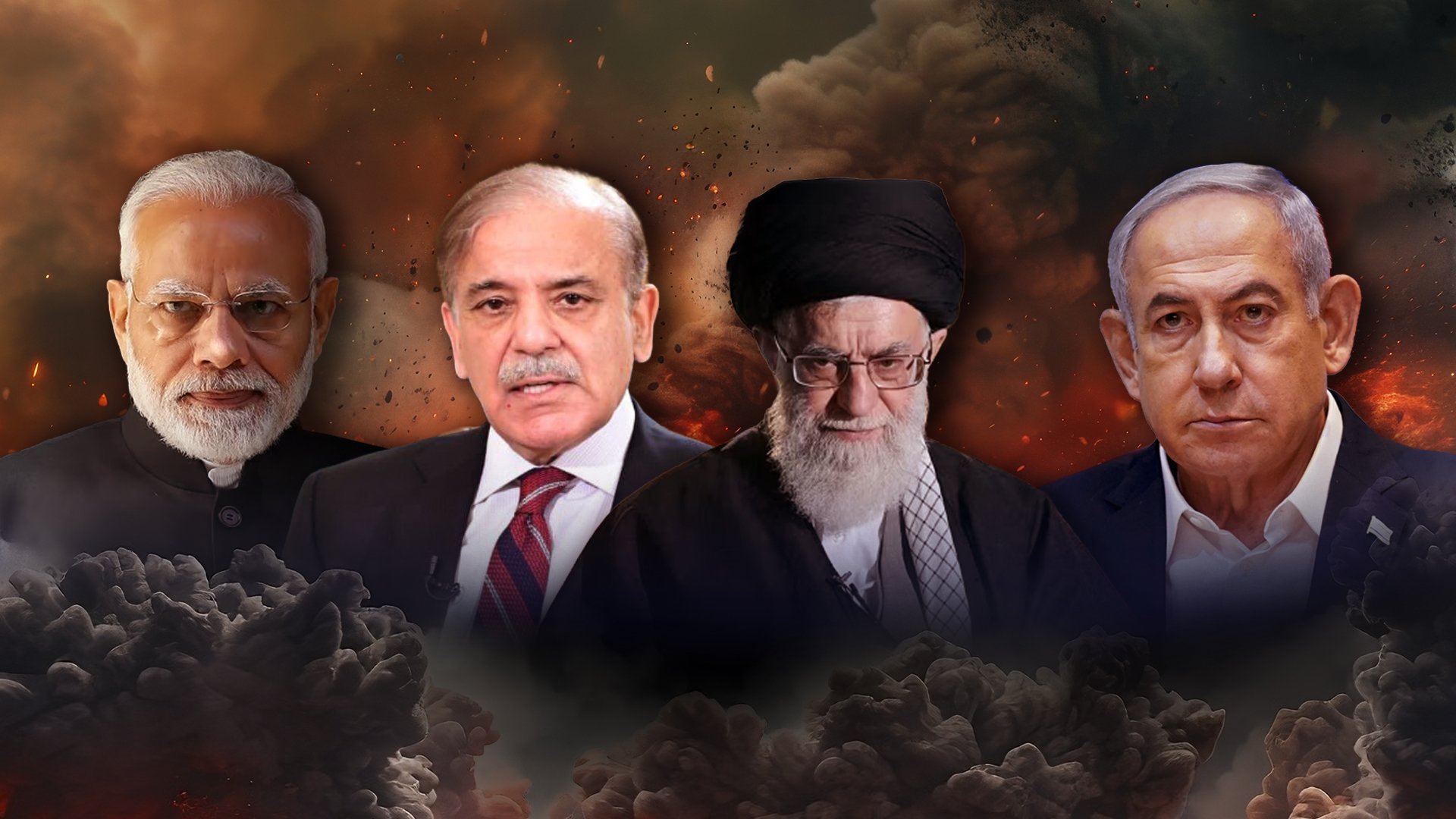
The year 2025 was marked by major global headwinds, including the escalation of geopolitical conflicts between some of the world's major countries. These were in addition to the prolonged Russia-Ukraine war, and the humanitarian catastrophe in Gaza.
Here's a look at the five major conflicts that erupted this year:
Iran-Israel 12-Day War
Also Read | Layoffs Are Rising In Tech, But These Skills Are Helping People Unlock Better Pay
In mid-2025, the world witnessed a 12-day war between arch-rivals Iran and Israel. The conflict, which threatened to destabilise the wider West Asia region, ended after US intervention.
The war was triggered on June 13, when Israel struck several targets in Iran after accusing the country of inching close to developing a nuclear weapon. This was followed by the United States—Tel Aviv's all-weather ally—launching a barrage of missiles on Iran's nuclear sites in Fordow, Natanz, and Esfahan.
Over the next eight days, Tehran launched a barrage of missiles targeting Israel and the US bases in Iraq and Qatar. After tit-for-tat moves between Tel Aviv and Tehran, the conflict ended on June 23 as Washington succeeded in striking a temporary truce.
Israel, while agreeing for the ceasefire, maintained that it reserves the right to attack Iran again if attempts to revive its nuclear weapon ambitions. Iranian Supreme Leader Ayatollah Ali Khamenei, while also giving his assent to the truce, said his country has delivered a "hard slap" to the US.
According to the Iranian government, the Israeli attacks during the conflict had led to the death of 1,060 people. At least 436 civilians were killed, according to the Washington-based Human Rights Activists group.
Meanwhile, the Israeli health ministry claimed 29 people, including civilians, were killed in the Iranian strikes.
'Harsh Slap': Iran's Khamenei Says US Intervention In War Achieved NothingThe DRC-Rwanda Escalation
The simmering tensions between the two African countries erupted into a war in January this year, after the Rwandan-backed M23 armed group seized control of North Kivu province of the Democratic Republic of Congo.
In June, a fragile ceasefire was reached with intervention from Washington. However, the ceasefire didn't hold long as fighting has again erupted in DRC. More than 400 civilians have been killed in the conflict as M23 continues its offensive in South Kivu province, Al Jazeera reported on Dec. 11, citing regional officials.
The M23 forces in the city include "Rwandan special forces and some of their foreign mercenaries, operating in clear violation of the ceasefire as well as the Washington and Doha agreements," a spokesperson of the provincial government was reported as saying.
Earlier, between July and October, the M23 group was estimated to have killed at least 140 civilians in eastern DR Congo, according to Human Rights Watch.
Why Donald Trump Didn't Win Nobel Peace Prize Despite Relentless Claim Of 'Ending Seven Wars'India-Pakistan Flare-Up
India and Pakistan, whose ties are strained since the 2019 Pulwama terror attack, faced a flashpoint in May this year. To avenge the terror attack in Pahalgam in the preceding month, the Indian forces launched Operation Sindoor in the intervening night of May 6-7, targeting militant camps in Pakistan and Pakistan-occupied Kashmir.
"India successfully destroyed nine major terror launchpads in Pakistan and Pakistan-occupied Jammu and Kashmir (PoJK), targeting Lashkar-e-Taiba, Jaish-e-Mohammed, and Hizbul Mujahideen facilities. Over 100 terrorists were killed in action," the Indian government had said in a release.
Following the "precision strikes" by India, Pakistani forces launched drone and missiles to target Indian military installations in the border areas. The offenses were neutralised. India, in retaliation, launched strikes targeting Pakistani military facilities.
The tensions simmered for three days between May 7 and May 10, till a ceasefire agreement was reached between the two countries.
Before the conflict ended, Pakistan army's shelling in the border areas of Jammu & Kashmir led to the death of at least 12 civilians, news agency PTI had reported.
Despite the ceasefire, tensions continue to prevail between the two nuclear-armed South Asian neighbours. The bilateral relations are at an all-time low, with New Delhi suspending the Indus Water Treaty while blaming Pakistan of supporting anti-India terror groups.
Pakistan's Water Woes Deepen: Taliban's Kunar Dams Threaten Flows After India Suspends IWTThailand-Cambodia Conflict
The 120-year-old territorial dispute has been a sour point in the relations between the two Southeast Asian neighbours. In July this year, it turned into a military face-off resulting in the death of around 50 persons.
Thai media had reported that the conflict resulted from landmine explosions on July 23 that injured its soldiers, and prompted strikes on Cambodian military targets. After three days of fighting, intervention from the US, China and Malaysia resulted in a ceasefire on July 26.
The truce was fragile as the hostilities re-emerged this month. The Thai government blamed Cambodia for an ambush on its team of engineers in the border area on Dec. 7, which led to two soldiers being injured. The Cambodian government, however, has accused Thai Prime Minister Anutin Charnvirakul of resuming the war for domestic political gains.
The Royal Thai Army has said that 21 of its soldiers have been killed since Dec. 8, local media reports said, whereas the Cambodian authorities has confirming the death of 19 civilians. The count of soldiers killed in the fresh round of conflict has not been shared by the government.
Thailand-Cambodia Conflict: Trump 'Peace Deals In Pieces', Says Strategic Affairs Analyst Sushant SareenAfghanistan-Pakistan: The TTP Strike
Pakistan was on the verge of a full-blown war with the Taliban-controlled Afghanistan, after it carried out an airstrike in Kabul on Oct. 9 to eliminate Noor Wali Mehsud, the leader of Tehrik-e-Taliban Pakistan (TTP). Islamabad has blamed Taliban of providing safe haven to its ideological twin TTP, which is allegedly involved in various terror attacks in Pakistan.
Following the airstrike to kill Mehsud, Afghanistan carried out a retaliatory attack on the border, targeting Pakistani solders. This led to exchange of fires from both sides, with the Taliban claiming to have killed at least 58 soldiers and Islamabad claiming to have eliminated about 200 Afghan forces personnel.
The Taliban government contested Pakistan's claim, saying that its nine soldiers lost their lives. Meanwhile, the Pakistani military confirmed the demise of 23 of its personnel.
On Oct. 19, Pakistan and Afghanistan agreed to an immediate ceasefire, which was brokered by Qatar and Turkey. Tensions between the two neighbours, however, continues to prevail with incidents of cross-border firing being reported over the past two months.
Imran Khan Accuses Army Chief Asim Munir Of 'Igniting' Pakistan-Afghanistan TensionsEssential Business Intelligence, Sharp Market Insights, Practical Personal Finance Advice, Daily Fuel, Gold and Silver Prices and Latest Stories — On NDTV Profit.