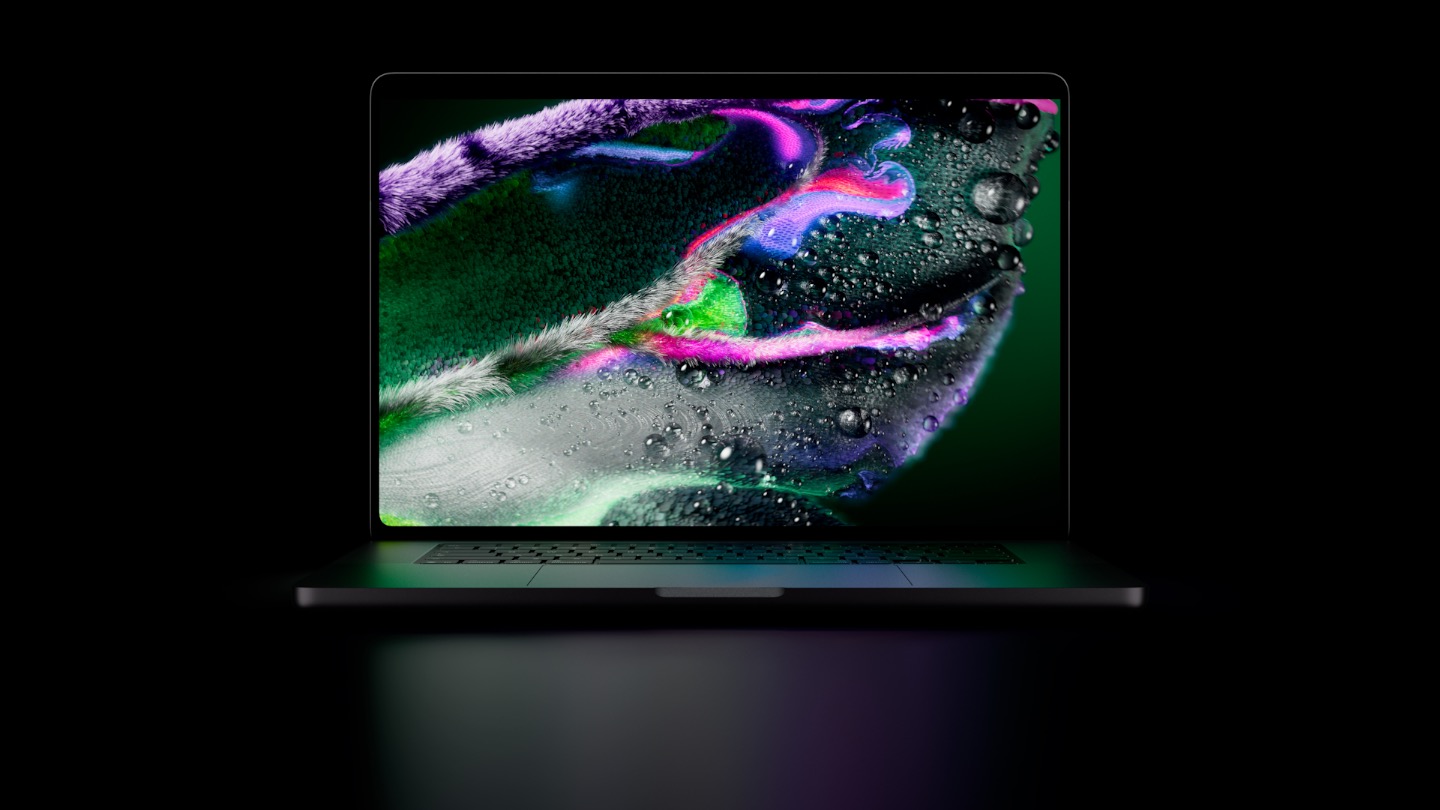
Apple's decision to bring touch controls to the MacBook Pro revives an old debate about how people should interact with computers. For years, the company maintained a clear distinction between the Mac, operated primarily through a keyboard and trackpad, and the iPad, designed around touch. Its latest launch suggests that this separation is no longer absolute.
What Steve Jobs Said About Touchscreen Computers
During Apple's October 2010 media event, Jobs discussed the company's testing of touchscreen computers and explained why he did not favour the approach. "We've done tons of user testing on this, and it turns out it doesn't work," he said. Jobs argued that holding an arm up to interact with a vertical screen could cause fatigue over time. He described the approach as "ergonomically terrible" and maintained that touch surfaces worked better when placed horizontally.
Apple subsequently continued to focus on trackpads, keyboard shortcuts and multi touch gestures for its Mac computers. Although the company introduced the Touch Bar on some MacBook Pro models in 2016, it did not add touch functionality to the main display.
ALSO READ: Hyundai Bayon Launched At Rs 9.99 Lakh: Check On Road Prices In 7 Cities
Why Apple Has Changed Its Approach
Apple's new MacBook Pro introduces touch controls alongside a tandem OLED display, M5 Pro and M5 Max processors, and a redesigned interface. Users can perform actions such as zooming into photographs, moving presentation slides and interacting directly with creative applications. However, Apple is not positioning the touchscreen as a replacement for the keyboard or trackpad. Chief Executive John Ternus has said the Mac remains primarily an indirect input device, with touch intended to be useful in certain situations. The company says improvements in display technology, hardware design and software integration have helped it introduce the feature without compromising the laptop's established design principles.
Steve Jobs may have had reservations about touchscreen laptops, but the technology has continued to evolve since his 2010 comments. Companies such as Microsoft and Lenovo have offered touchscreen laptops for years, allowing users to tap, swipe and work directly on their displays.
Apple, however, took a different approach, keeping touch controls largely confined to the iPhone and iPad. The arrival of a touchscreen MacBook Pro is a notable change in that strategy. Whether Mac users find it genuinely useful or prefer the traditional keyboard and trackpad experience will become clearer once the new laptops reach customers.
ALSO READ: Apple Launches First Touchscreen MacBook Pro: Price, Features, And More
Essential Business Intelligence, Sharp Market Insights, Practical Personal Finance Advice, Daily Fuel, Gold and Silver Prices and Latest Stories — On NDTV Profit.