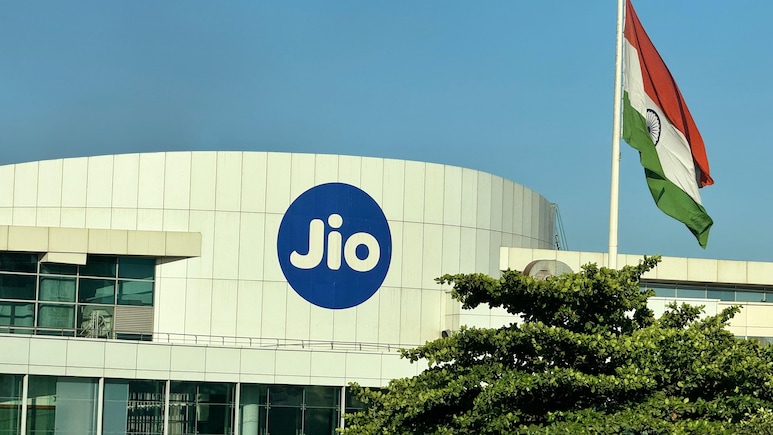
Reliance Jio Infocomm has denied allegations by Telegram founder and CEO Pavel Durov that the telecom operator was involved in a Border Gateway Protocol (BGP) hijacking incident that allegedly disrupted access to the messaging platform for users outside India.
In a statement issued on Wednesday, Jio said recent posts on social media platform X had sparked speculation linking Reliance Jio Infocomm Ltd. (AS55836) to a purported BGP routing issue.
“Recent posts on X have led to speculation regarding Reliance Jio Infocomm Limited (AS55836) and a BGP route misconfiguration. We categorically clarify that Jio has not been involved in any such incident. Jio continues to operate its network in accordance with global Internet routing best practices and the highest standards of reliability, security, and transparency,” the company said.
Also Read | Layoffs Are Rising In Tech, But These Skills Are Helping People Unlock Better Pay
Recent posts on X have led to speculation regarding Reliance Jio Infocomm Limited (AS55836) and a BGP route misconfiguration. We categorically clarify that Jio has not been involved in any such incident. Jio continues to operate its network in accordance with global Internet…
— Reliance Jio (@reliancejio) June 17, 2026
The clarification follows remarks by Durov, who accused Reliance of intentionally interfering with Telegram access for users outside India, including in the United Arab Emirates, through what he described as a “rogue method” known as BGP hijacking.
ALSO READ: Outlaw Water Over Drowning Risks: Telegram Takes Swipe At Indian Govt Over NEET-Linked Interim Ban
“Indian telecom Reliance is sabotaging access to Telegram for millions of users OUTSIDE India (including the UAE) via a rogue method called BGP hijacking. The sabotage seems intentional, as Reliance has ignored multiple reports,” Durov wrote on X.
He further alleged that the incident could be linked to competitive pressures, claiming that Reliance is “partially owned” by Meta Platforms, the parent company of WhatsApp.
“This may be part of a competitive war, as Reliance is partially owned by Meta — the company behind WhatsApp… Such abuse of global Internet routing is alarming. I wouldn't be surprised if Reliance/WhatsApp were also behind the recent lobbying effort to ban Telegram in India,” Durov added.
Border Gateway Protocol, or BGP, is the routing mechanism that directs internet traffic between networks worldwide. A BGP hijack occurs when a network incorrectly or maliciously advertises routes, potentially redirecting, intercepting or disrupting traffic intended for another destination.
ALSO READ: Telegram Moves Delhi High Court Against Government Ban Ahead Of NEET UG Re-Exam
According to industry sources, the network identifier referenced by Durov does not belong to Reliance Jio and may instead be associated with Reliance Communications, based on publicly available internet routing records.
The controversy comes after the Ministry of Electronics and Information Technology ordered a temporary block on Telegram in India until June 22 following a recommendation from the National Testing Agency.
The move was prompted by allegations that Telegram channels were being used to circulate claims of leaked question papers related to the NEET examination conducted on May 3 and the June 21 re-test. The NTA said several channels were seeking payments from students and parents in exchange for purported access to exam papers.
Essential Business Intelligence, Sharp Market Insights, Practical Personal Finance Advice, Daily Fuel, Gold and Silver Prices and Latest Stories — On NDTV Profit.