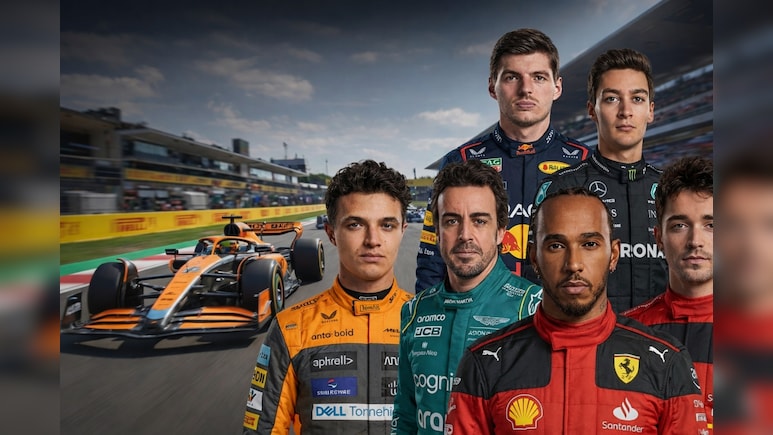
The new season of Formula One is set to get underway this Friday, starting with two practice sessions. It promises to be an exciting season for F1 fans, as it will host one of the biggest regulation changes in quite some time.
It is practically a reset for Formula One, with the introduction of new engine regulations and overtaking laws that will force drivers to be mindful about energy conservation.

-
 India's Market Leaders To Decode The New Samvat At NDTV Profit Ignite In Mumbai On Oct 28
 -
 NDTV Profit IGNITE Diwali 2026: Top Market Veterans Decode Wealth Creation
 -
 The Week Ahead: Earnings Season, Fed Policy Verdict And Crude Oil In Focus
 -
 Silver Is Now Down From Rs 4.2 Lakh To Rs 1.9 Lakh: Where It Goes From Here
 -
 NDTV Ignite, The Trillion-Dollar Trajectory: India's Road to 2030
However, new rules will bring in new terminologies and factors in Formula One that fans must soon get used to.
Also Read | Layoffs Are Rising In Tech, But These Skills Are Helping People Unlock Better Pay
NDTV Profit brings you a simple explainer to help you understand the key changes and concepts shaping the 2026 Formula One season.
Engine Change (50–50 Split)
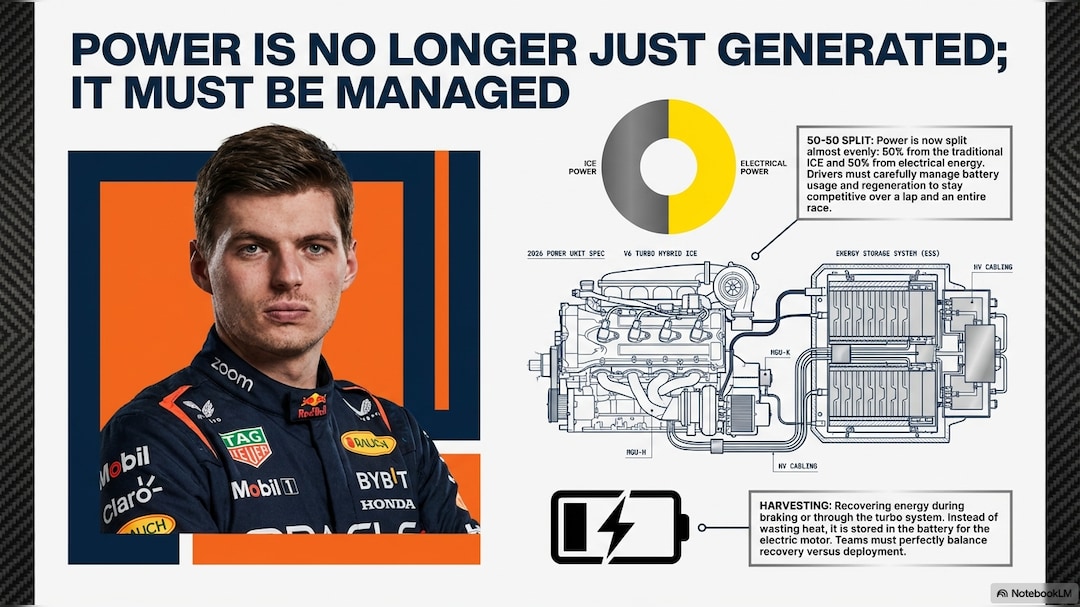
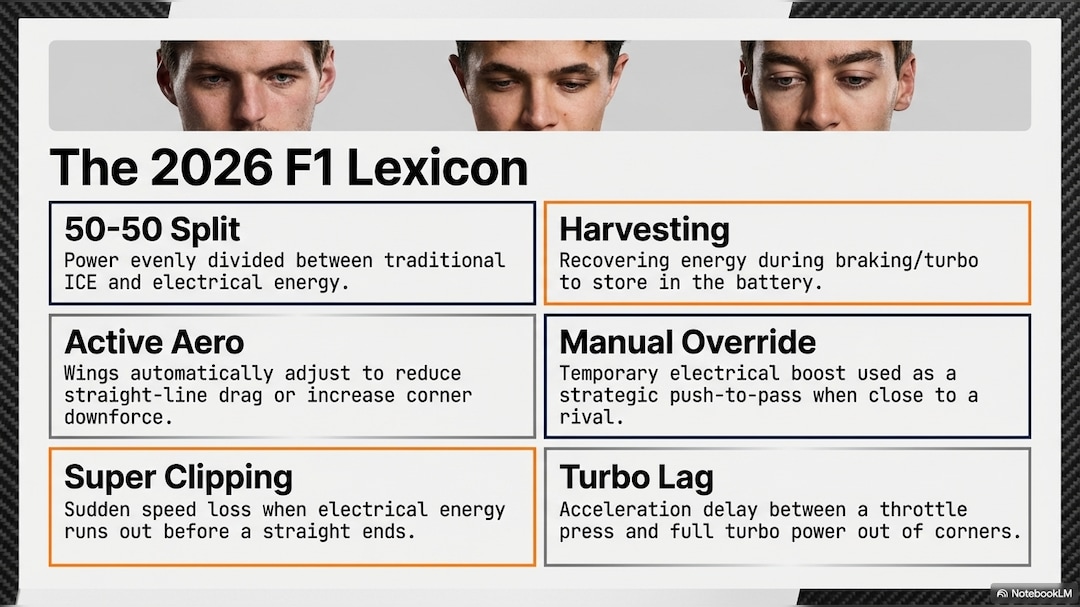
The central feature of the new 2026 regulations is how Formula One cars produce their power. In the past, most of the power came from the internal combustion engine. However, under the new rules, power will now be split almost evenly, with 50% coming from the traditional ICE engine and 50% coming from electrical energy.
This shift in energy management will become a defining factor for races as drivers will now have to carefully manage battery usage and regeneration in order to stay competitive over a lap and across an entire race.
Manual Override
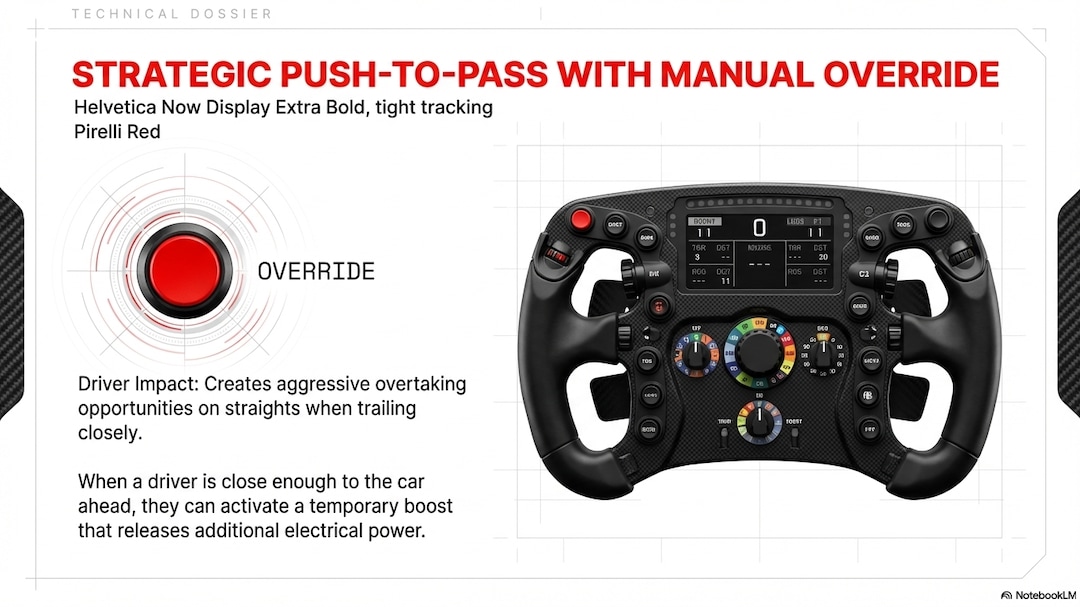
Starting this season, the DRS is officially a thing of the past. It will be replaced by the manual override mode, which is a new feature designed to help cars overtake. When a driver is close enough to the car ahead, they can activate a temporary boost that releases electrical power, instead of opening up the rear wing.
The manual override is a new feature designed to help cars overtake. When a driver is close enough to the car ahead, they can activate a temporary boost that releases additional electrical power.
It works somewhat like a strategic push-to-pass system, giving drivers extra speed on straights and creating more overtaking opportunities during races.
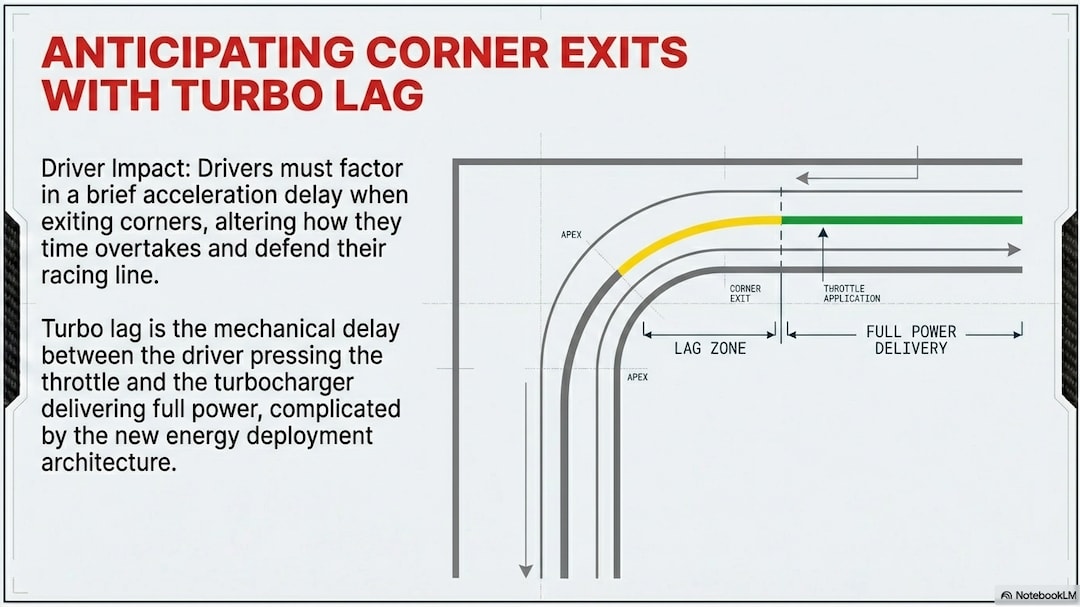
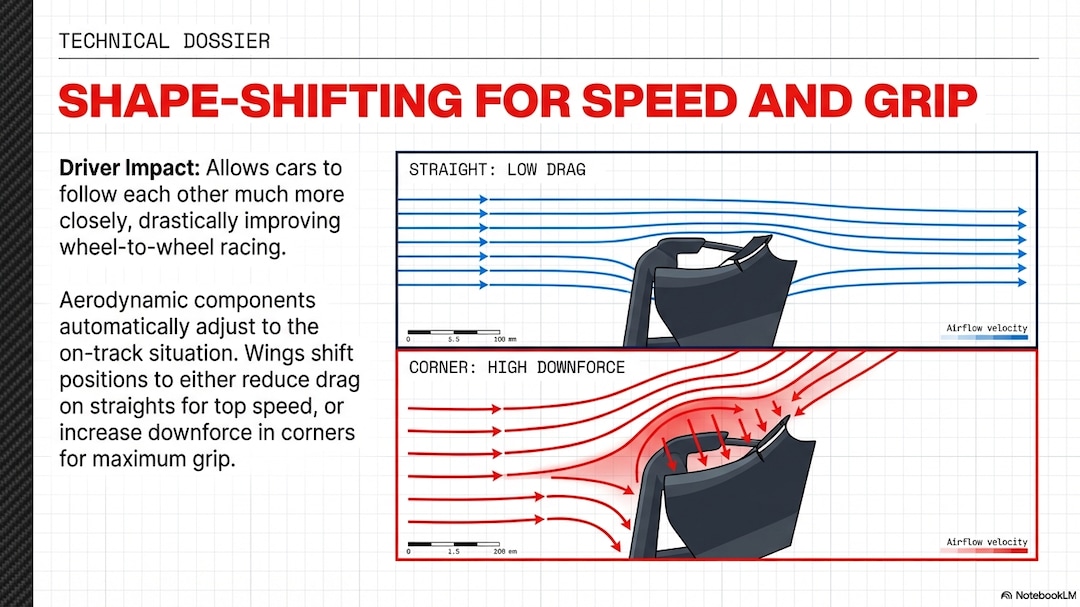
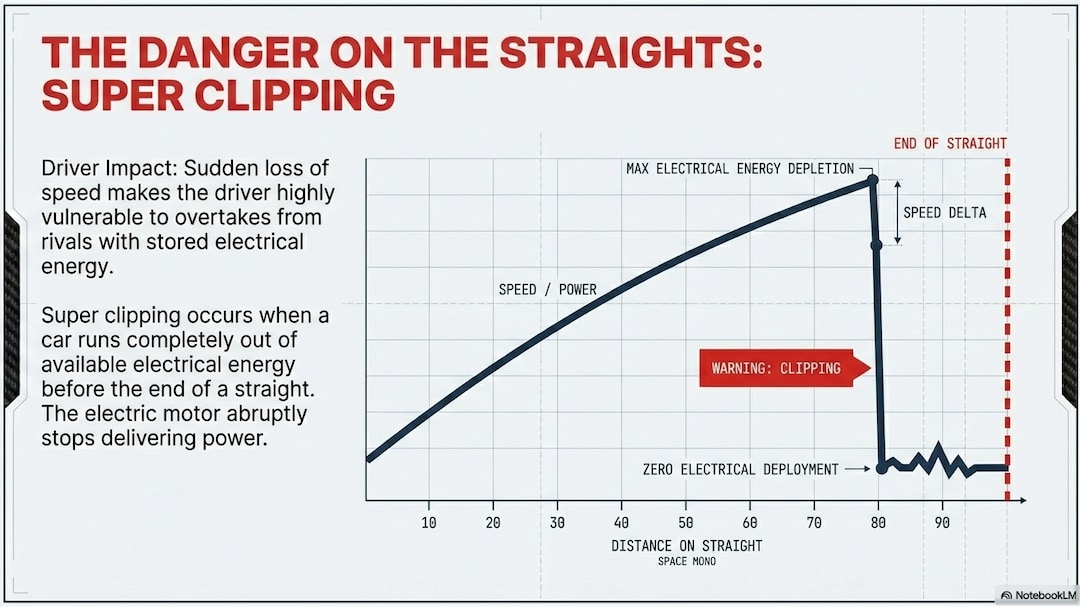
ALSO READ: Formula 1: From Weekend To Season Pass, FanCode Unveils Subscription Options For F1 Races In 2026 Turbo lag will once again become a relevant thing in Formula One due to the new regulations. Turbo lag refers to the delay between a driver pressing the throttle and the turbocharger delivering full power. With the new engine architecture and energy deployment systems, managing turbo response becomes essential. This essentially means drivers will feel a brief delay in acceleration, especially when exiting corners, which in turn, could affect how they time overtakes and defend positions. With DRS no longer a thing, the 2026 cars will feature active aerodynamics. That means certain aerodynamic components can adjust automatically depending on the situation. For example, wings may change position to reduce drag on straights for higher top speed or even increase downforce on corners to improve grip. Ferrari has already raised a few eyebrows with their rotating rear wing in pre-season. Super clipping is a term used when a car runs out of available electrical energy before reaching the end of a straight. When this happens, the electric motor stops delivering power, and the car suddenly loses speed. This can make a driver vulnerable to overtakes, especially if a rival still has electrical energy available. Energy harvesting is the process by which the car recovers energy during braking or through the turbo system. Instead of wasting that energy as heat, it is stored in the battery and later used to power the electric motor. In 2026, harvesting will play a much bigger role, as teams will need to carefully balance how much energy they recover and how much they deploy during a lap. ALSO READ: F1 2026 Schedule: Full 24-Race Calendar With Dates, Timings And How To Watch In India And USTurbo Lag
Active Aero
Super Clipping
Harvesting
Essential Business Intelligence, Sharp Market Insights, Practical Personal Finance Advice, Daily Fuel, Gold and Silver Prices and Latest Stories — On NDTV Profit.