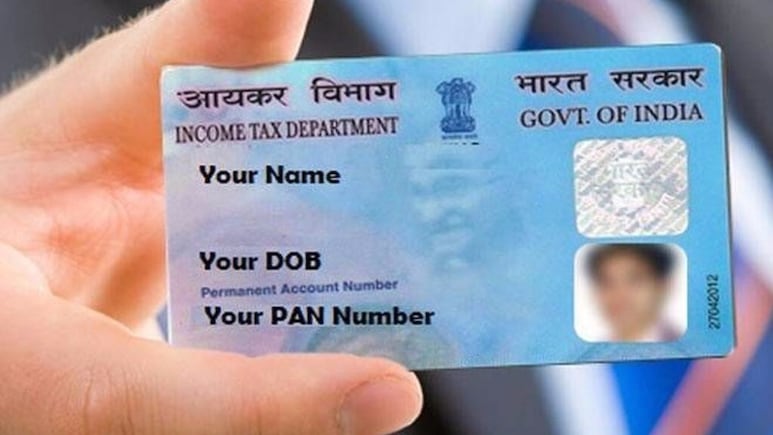
PAN (Permanent Account Number) is a 10-character alphanumeric identifier issued by the Income Tax Department of India to persons (individuals), companies, and other entities. It is a key document for every taxpayer in the country, but many might be unaware that it is required for more than just submitting income tax returns (ITRs). Yes, you read that correctly.
As per Income Tax Rule 114B, quoting of Permanent Account Number is mandatory for high-value financial transactions over specified thresholds to ensure transparency and prevent tax evasion.
Key transactions include bank deposits/withdrawals exceeding Rs 50,000, purchasing immovable property (more than 10-20 lakh), vehicle purchases, large investments, and foreign travel. If a person fails to quote PAN, it can result in a Rs 10,000 penalty.
Also Read | Layoffs Are Rising In Tech, But These Skills Are Helping People Unlock Better Pay
10 Transactions Where Quoting PAN Is Compulsory
Here are the transactions in which quoting of PAN is compulsory by every person except the Central Government, the State Governments and the Consular Offices:
Bank Deposits: Cash deposits exceeding Rs 50,000 in a single day, or aggregating over Rs 2.5 lakh between November 9 and December 30, 2016, with a bank or post office.
Immovable Property: Sale or purchase of any immovable property for an amount exceeding Rs 10 lakh or valued by the stamp valuation authority referred to in section 50C of the Act at an amount exceeding ten lakh rupees.
Bank Account Opening: Opening any bank account [other than a time-deposit referred at point No. 12 and a Basic Savings Bank Deposit Account] with a banking company or a co-operative bank.
Motor Vehicle Purchase: Buying or selling a motor vehicle, excluding two-wheelers. As of April 2026, PAN is required if the price exceeds Rs 5 lakh.
Foreign Currency/Travel: Payment in cash of an amount exceeding Rs 50,000 in connection with travel to any foreign country or payment for purchase of any foreign currency.
ALSO READ: Income Tax Introduces 4 New PAN Application Forms From April 2026, Replaces Old Ones — Details
Hotel/Restaurant Bills: Cash payments of hotel or restaurant bills exceeding Rs 50,000 at any one time.
Life Insurance Premium: You also need your PAN during payment of life insurance premiums to an insurer exceeding Rs 50,000 in a financial year.
Investments in Securities: While investing more than Rs 50,000 in mutual funds for purchase of its units, or buying bonds/debentures exceeding Rs 50,000 you will need your PAN.
High-Value Purchases: Sale or purchase of goods or services of any nature exceeding Rs 2 lakh per transaction.
Bank Drafts/Pay Orders: Payment in cash or by way of a bank draft, pay order, or banker's cheque of an amount aggregating to more than Rs 50,000 in a financial year for one or more pre-paid payment instruments, as defined in the policy guidelines for issuance and operation of pre-paid payment instruments issued by Reserve Bank of India under section 18 of the Payment and Settlement Systems Act, 2007 to a banking company or a co-operative bank or to any other company or institution.
ALSO READ: Form 95 Or Form 96: Which One Should You Use For PAN Card Allotment? I-T Dept Clarifies
Essential Business Intelligence, Sharp Market Insights, Practical Personal Finance Advice, Daily Fuel, Gold and Silver Prices and Latest Stories — On NDTV Profit.