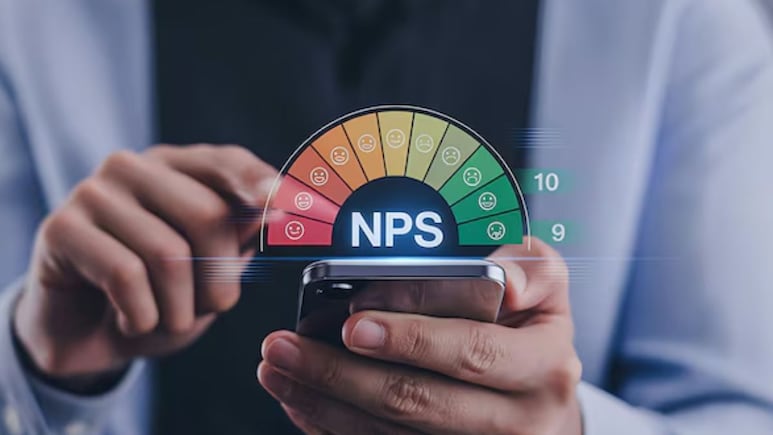
Healthcare expenses can put a significant strain on household finances, especially after retirement when regular income may be limited. To help address this concern, the Pension Fund Regulatory and Development Authority (PFRDA) has introduced NPS Swasthya. It is a dedicated pension account that combines long-term retirement savings with super top-up health insurance coverage.
The scheme allows subscribers to build a market-linked retirement corpus while providing access to funds for eligible healthcare expenses. It also comes with a mandatory super top-up group health insurance policy arranged through an insurer registered with the Insurance Regulatory and Development Authority of India (IRDAI).
Also Read | Layoffs Are Rising In Tech, But These Skills Are Helping People Unlock Better Pay
Here is a look at the key features of NPS Swasthya, including eligibility, contributions, charges and withdrawal rules.
Also Read: Tax-Free PPF v Attractive SIP: Are Returns Comparable After 15 years?
What Is NPS Swasthya?
NPS Swasthya is a specific-purpose pension scheme introduced under Regulation 4A of the PFRDA (Exits and Withdrawals under the National Pension System) Regulations, 2015. It aims to help subscribers set aside money for retirement while providing health insurance and healthcare-related benefits through the NPS ecosystem to meet eligible healthcare expenses.
The scheme combines two separate components: an individual NPS Swasthya investment account managed by a pension fund and a mandatory super top-up group health insurance policy issued by an IRDAI-registered insurer.
While the investment account helps subscribers accumulate a retirement corpus through market-linked investments, the insurance policy provides additional health coverage. The two components remain legally and operationally distinct.
Who Can Join NPS Swasthya?
NPS Swasthya is open to Indian citizens aged 18 to 70. Policy renewals are permitted up to the age of 85, subject to the applicable terms and conditions.
However, subscribers must have an active NPS Tier I account to open an NPS Swasthya account. This requirement facilitates the transfer of funds within the NPS framework.
Eligible individuals can enrol through the official PFRDA NPS Swasthya portal or NPS Central.
Coverage And Contributions
The scheme's health insurance component extends coverage to the subscriber, their spouse and up to two dependent children.
The prescribed initial contribution covers the first-year health insurance premium, applicable taxes, an annual maintenance charge of Rs 200 plus taxes, and Rs 1,000 towards the NPS Swasthya investment account.
Subscribers should review the applicable premium, coverage limits, exclusions and other policy conditions before enrolling, as these determine the extent of the health insurance benefits.
What Are The Charges?
NPS Swasthya follows the applicable charges under the NPS All Citizen Model. In addition to the annual maintenance charge of Rs 200 plus taxes, the pension fund may levy an additional charge of up to 0.08% per annum on the accumulated corpus.
The applicable charges are disclosed before enrolment, allowing subscribers to understand the costs associated with maintaining the account.
NPS Swasthya: Withdrawal Rules
Subscribers can withdraw up to 25% of their contributions for qualifying medical expenses. The facility does not impose a limit on the number of partial withdrawals, and there is no minimum waiting period between successive withdrawals.
Also Read: SIP Calculator With Inflation: Is Rs 5-Crore Corpus Enough After 25 Years?
However, the withdrawal facility is intended for eligible healthcare expenses and is not meant for unrestricted personal spending.
Another important feature is that the withdrawn amount is transferred directly to the hospital or healthcare provider rather than being credited to the subscriber's bank account. This ensures that the funds are used for the specified healthcare purpose.
Essential Business Intelligence, Sharp Market Insights, Practical Personal Finance Advice, Daily Fuel, Gold and Silver Prices and Latest Stories — On NDTV Profit.