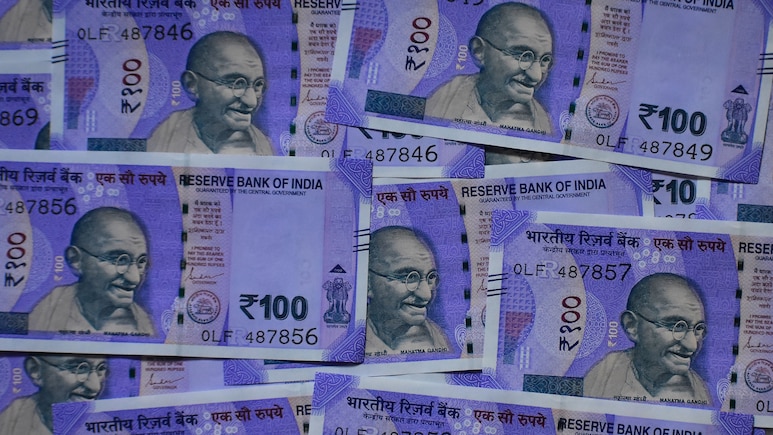
Amid the ongoing Iran war and elevated fuel prices, India's wholesale inflation rose faster than expected to 11.4% in September from 9.9% in August. The development has raised concerns, particularly as experts flag that the inflation pressure could continue till next year unless the energy disruption is resolved and a solution to the war is found.
Subsequently, households in India may need to reassess their monthly expenses amid elevated prices. An early impact of this global economic distortion is already seen after the Reserve Bank of India hiked repo rate earlier this month. This has made borrowing expensive, which means your retail loans and EMIs are set to get pricier.

-
 Indian Markets Turning Corner After Two Tough Years, Says Sandeep Tandon
-
 NDTV Profit Ignite 2026: Experts See Opportunity In Equities, Stay Bullish For Long-Term
-
 Buy Right, Sit Tight Does Not Work for Individual Stocks, Says Dinshaw Irani
-
 'Worst Is Behind': Quant MF Sees Market Bottom, Flags 'Extreme Euphoria' In Midcaps
-
 India's Mutual Fund Industry Could Become A $1 Trillion Opportunity, Say Fund Managers
-
 'Foreign Investors Are Baraatis': Raamdeo Agrawal's Take On LTCG Tax
-
 Stay Invested Through Market Cycles: Raamdeo Agrawal at NDTV Profit Ignite
-
 Ramesh Damani Remains Bullish On India For Next 20-30 Years, Sees Bargains Amid Market Weakness
-
 CAS Came After A Long Consultation Process: SEBI Chairman Tuhin Kanta Pandey AT NDTV PROFIT IGNITE
-
 Aim To Cut FPI Onboarding Time From Mth To Five Days: SEBI Chairman Tuhin Kanta Pandey AT NDTV PROFI
ALSO READ: Rs 50,000 Salary? Here's A Budget Plan To Save Over Rs 10 Lakh In 5 Years
Also Read | Layoffs Are Rising In Tech, But These Skills Are Helping People Unlock Better Pay
Ways To Manage Your Money:
1. Track where your money goes: At such times, you should keep a record of your monthly spending. This will help you understand where your money is going. By re-assessing your expenses, you can easily cut on unnecessary items.
2. Prioritise essential spending: As you receive your salary, you should first focus on paying rent, groceries, electricity bills, transport and EMIs. Any plans on shopping and vacation should come after these.
3. Grocery budget: If you already track your expenses, you can compare which sections of your grocery shopping are weighing more on your wallet. Subsequently, you can plan some bulk purchases or compare prices before making your next purchase.
4. Cut down on fuel costs: If rising fuel prices are putting pressure on your household budget, you can consider using public transport on some days or combining multiple errands into a single trip.
5. After spending on essentials, it is equally important to save money for emergency funds or investments to protect your future. Make sure to review your entertainment subscriptions and other similar expenses and cut on those you rarely use. This will free some money, allowing you to meet your needs without dipping in your savings.
ALSO READ: Want Rs 2 Lakh Pension By 45? Here's The Initial SIP You Need To Start With
6. Emergency funds: While setting aside an emergency fund is a general financial advice, it becomes more important during such economic times. You should try to set aside small amounts every month to build even a modest financial cushion. This will help you in managing bills if an unexpected expense comes up.
Essential Business Intelligence, Sharp Market Insights, Practical Personal Finance Advice, Daily Fuel, Gold and Silver Prices and Latest Stories — On NDTV Profit.