Wall Street traders sent stocks lower as short-dated bond yields climbed after the Federal Reserve signaled the possibility of higher rates as it assesses the impacts of the Iran war on inflation.
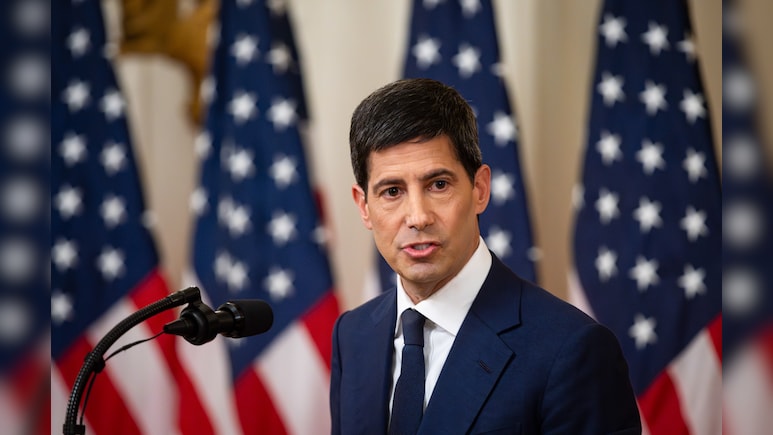
Following the decision and new Chairman Kevin Warsh's repeated assurances that "price stability" would be the Fed's guiding principle, money markets fully priced in a rate hike by October. The S&P 500 fell 1.2%. The yield on two-year Treasuries climbed 16 basis points to 4.21%. The dollar advanced.
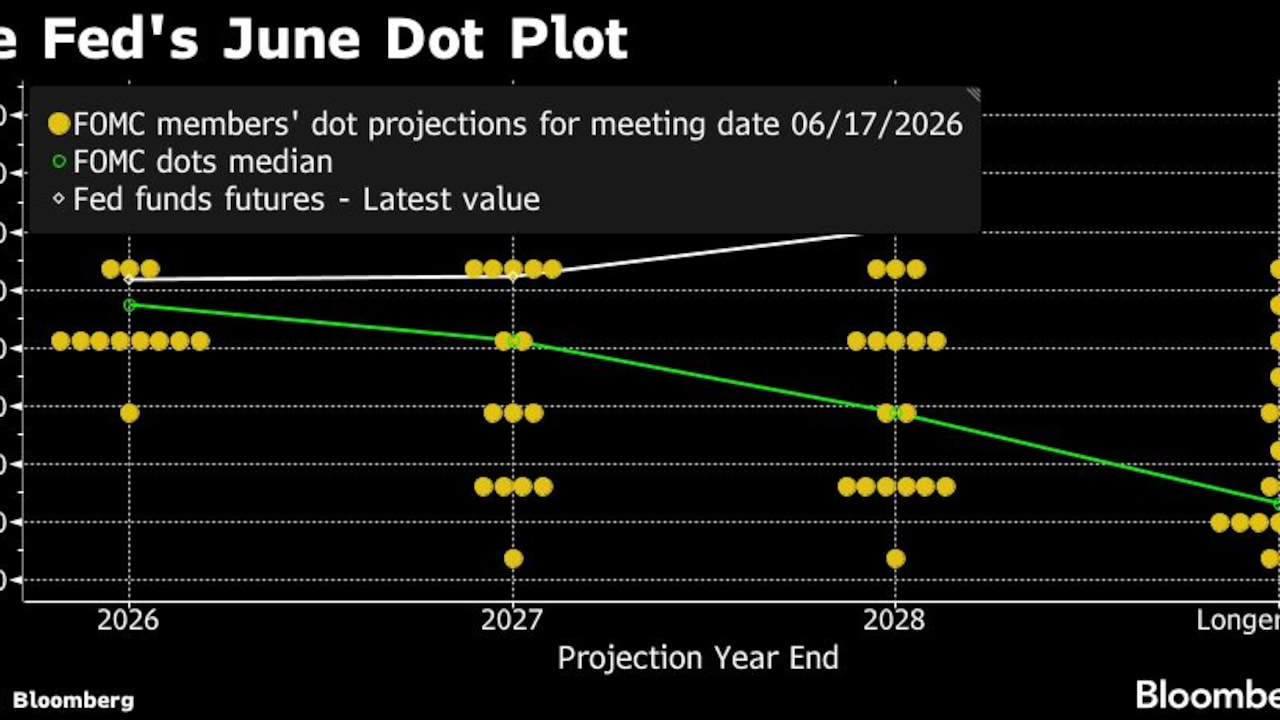
Fed policymakers left rates unchanged and were split over whether they expect to raise rates this year. Their new projections indicated nine officials foresee at least one hike, with six anticipating at least two. Another nine expected no move or a cut. Warsh, who has been critical of forward guidance, declined to submit a forecast.
ALSO READ: Stock Market Today: All You Need To Know Before Going Into Trade On June 18
"The bigger takeaway came from the rate projections," said Bret Kenwell at eToro. "Markets were prepared for higher rates, but the Fed's projections suggest policymakers may be willing to stay more hawkish than investors expected."
It was the fourth straight time officials held rates in place as they continue to shift their concerns from the labor market to inflation. They characterized growth as "solid" while describing productivity growth and capital investment as strong. Warsh ruled out re-examining the 2% inflation target.
"The Fed's recent hawkish shift was not just about higher energy prices," said Kay Haigh at Goldman Sachs Asset Management. "Despite the recent pullback in oil, half of the members of the FOMC expect rate hikes as soon as this year, reflecting strong labor market and inflation data."
While Haigh's base case remains that the Fed can just about avoid hikes, he says the path is narrow and there will be a high premium on the incoming inflation data.
"Despite a more-hawkish statement, we expect the Fed's next move is still likely a cut, but it will take time for inflation to unwind enough to give the board the breathing room to act," said Ellen Zentner at Morgan Stanley Wealth Management.
While there seems to be a growing bias toward hiking from Fed board members, inflationary pressures are likely to come down in the coming months as the flow of oil out of the Middle East improves, according to Scott Helfstein at Global X ETFs.
"We continue to think the Fed will be on hold this year, with the recent de-escalation in tensions in the Middle East and a drop in oil prices helping to soften inflation risks," said James McCann at Edward Jones. "However, the bar for a rate hike looks lower after today's meeting."
ALSO READ: Fed Chair Kevin Warsh Drops 'Forward Guidance' In Debut Meeting, Launches Five Task Force
Warsh also said he is appointing a task force to examine the central bank's $6.7 trillion balance sheet, a first step in addressing a policy issue he has long criticized. The group charged with reviewing the balance sheet would analyze whether "monetary policy is coming from our interest-rate tool or our balance-sheet tool," he said.
Some of the main moves in markets:Stocks
Currencies
Cryptocurrencies
Bonds
Commodities
|
(This story has not been edited by NDTV staff and is auto-generated from a syndicated feed.)
Essential Business Intelligence, Sharp Market Insights, Practical Personal Finance Advice, Daily Fuel, Gold and Silver Prices and Latest Stories — On NDTV Profit.