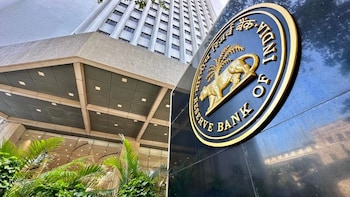
The Reserve Bank of India will continue to build forex reserves at every opportunity, according to Bank of America Merrill Lynch (BofAML).
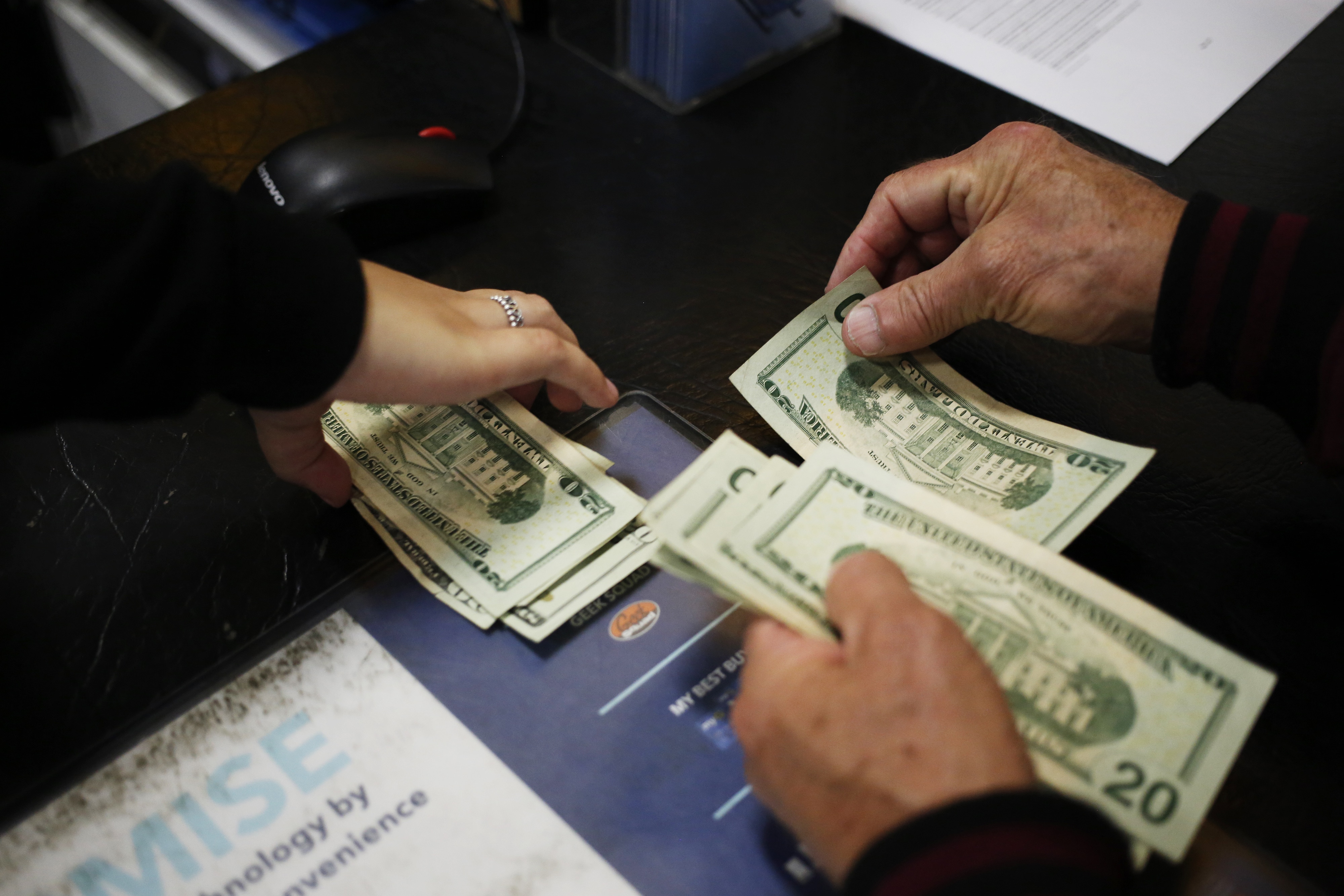
India's foreign exchange reserves stood at a record $394.55 billion as of August 25. BofAML estimates that the RBI has bought about $16 billion in the spot market since April and $6 billion in the forward market in the April-June quarter. Despite this intervention, the Rupee has appreciated close to 5 percent since the start of this fiscal.
Here are some of the reasons cited by BofAML economists to support their argument that the RBI will continue to build its pool of forex reserves while it still can.
1) Combating Global Contagion
India's import cover “looks comfortable at about 11 months on a 1-year forward basis, well above the 8 months we deem required for rupee stability,” wrote economists Indranil Sen Gupta and Aastha Gudwani. However, they noted that the portfolio of foreign investments has jumped to about 120 percent of forex reserves from 80 percent in 2007-08. This means, that in the case of a global risk-off scenario, which leads to sudden outflows, the central bank may need a larger amount of reserves to defend the currency.
2) Slower Inflows Ahead
BofAML notes that capital flows may moderate from here on. Rich equity valuations and limited headroom for flows into the government and corporate debt securities market may prompt this slowdown. As such, the RBI is trying to accumulate reserves when the going is good.
3) Liquidity Moderation
Flows and the ability to accumulate reserves may also be impacted by event risks such as the US Federal Reserve's decision to wind down its balancesheet.
“The relationship between Fed action and FPI flows to the Indian market are non-linear depending on whether they are seen to support growth. A tightening of Fed liquidity will likely impact portfolio flows to India at a time of uncertainty,” said Bank of America Merrill Lynch. The inclusion of China A shares in the MSCI will also increase volatility of foreign flows into India, the report said making a case for the RBI to accumulate reserves while flows remain strong.
4) Sterilization Costs Falling
BofAML also argues that the RBI can continue building reserves at relatively lower sterilization costs. Such costs refers to the cost associated with the purchase or sale of foreign exchange in the market with the aim to influence the exchange rate.
Sterilization costs are actually coming down with the RBI easing even as the Fed is hiking, the research house argued while adding that the experience of 2013 (when the Rupee went into a free-fall) is still fresh in the minds of Indian policymakers.
5) The 2019 Factor
Finally, BoAML notes that the government would support the RBI's decision to keep building forex reserves. The Bharatiya Janata Party (BJP) government will likely be conservative about forex reserves, as it may not want Rupee volatility before the 2019 polls, the report argued.
Taking all the factors into account, the rupee is expected to trade at 66.75/$ by December, according to BofAML's Asia forex strategists.
Essential Business Intelligence, Sharp Market Insights, Practical Personal Finance Advice, Daily Fuel, Gold and Silver Prices and Latest Stories — On NDTV Profit.