- SEBI classifies an index as significant if mutual fund AUM exceeds Rs 20,000 crore for 6 months
- Assessment of significant index status will occur semi-annually on June 30 and Dec. 31
- Index providers of significant indices must register with SEBI within six months of notification
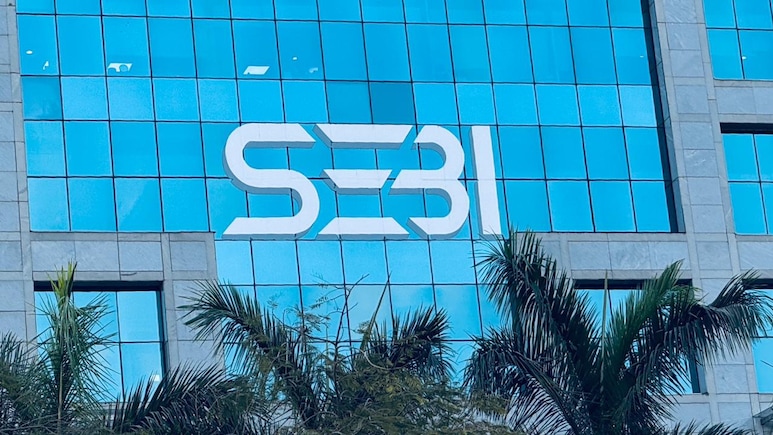
Markets regulator Sebi has introduced a regulatory framework classifying any index as a "significant index" if it is benchmarked by mutual fund schemes with daily average cumulative assets under management (AUM) exceeding Rs 20,000 crore for each of the preceding six months.
The move is aimed at enhancing transparency and accountability in index governance.
In its circular on Tuesday, the regulator said the threshold will be assessed for half-yearly periods ending on June 30 and December 31.
Also Read | Layoffs Are Rising In Tech, But These Skills Are Helping People Unlock Better Pay
ALSO READ | Basecamp To Summit: The Pre-IPO Roadmap For Promoter Families
Once classified, an index will continue to remain in the "significant" category unless its tracked AUM falls below the threshold for three consecutive years.
"It is specified that a Benchmark or Index (including index of indices) based on listed securities shall be considered as 'significant Indices', if the daily average cumulative AUM tracking the Benchmark or Index across schemes of Mutual Fund(s) exceeds Rs 20,000 crore for each of the past six months, ending on June 30 and December 31 each year," Sebi said in its circular.
The move follows the introduction of the Sebi (Index Providers) Regulations, 2024, which apply specifically to index providers administering such significant indices.
The regulator has also released an initial list of indices meeting the criteria, including widely tracked benchmarks such as the BSE Sensex and Nifty 50, along with broader market indices like Nifty 500 and BSE 500.
The list also includes sectoral, debt and hybrid indices from providers such as NSE Indices Ltd, BSE Index Services Pvt Ltd and CRISIL.
Sebi said index providers offering any of these significant indices are required to apply for registration with it within six months. However, this requirement will not apply to indices already notified or authorised as benchmarks by the Reserve Bank of India (RBI) under relevant provisions of the RBI Act.
ALSO READ | Want Rs 2 Lakh Pension By 45? Here's The Initial SIP You Need To Start With
Existing providers may continue operations during the transition period, provided they submit their registration applications within the stipulated timeline.
Further, entities already registered with Sebi in another capacity but offering index services will be required to set up a separate legal entity within two years to undertake index provider activities.
Sebi clarified that grievance redressal mechanisms under the regulations will apply only to significant indices provided by Sebi-registered index providers.
Essential Business Intelligence, Sharp Market Insights, Practical Personal Finance Advice, Daily Fuel, Gold and Silver Prices and Latest Stories — On NDTV Profit.